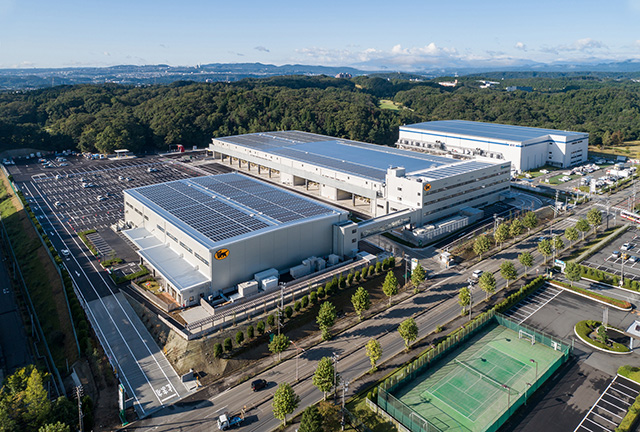
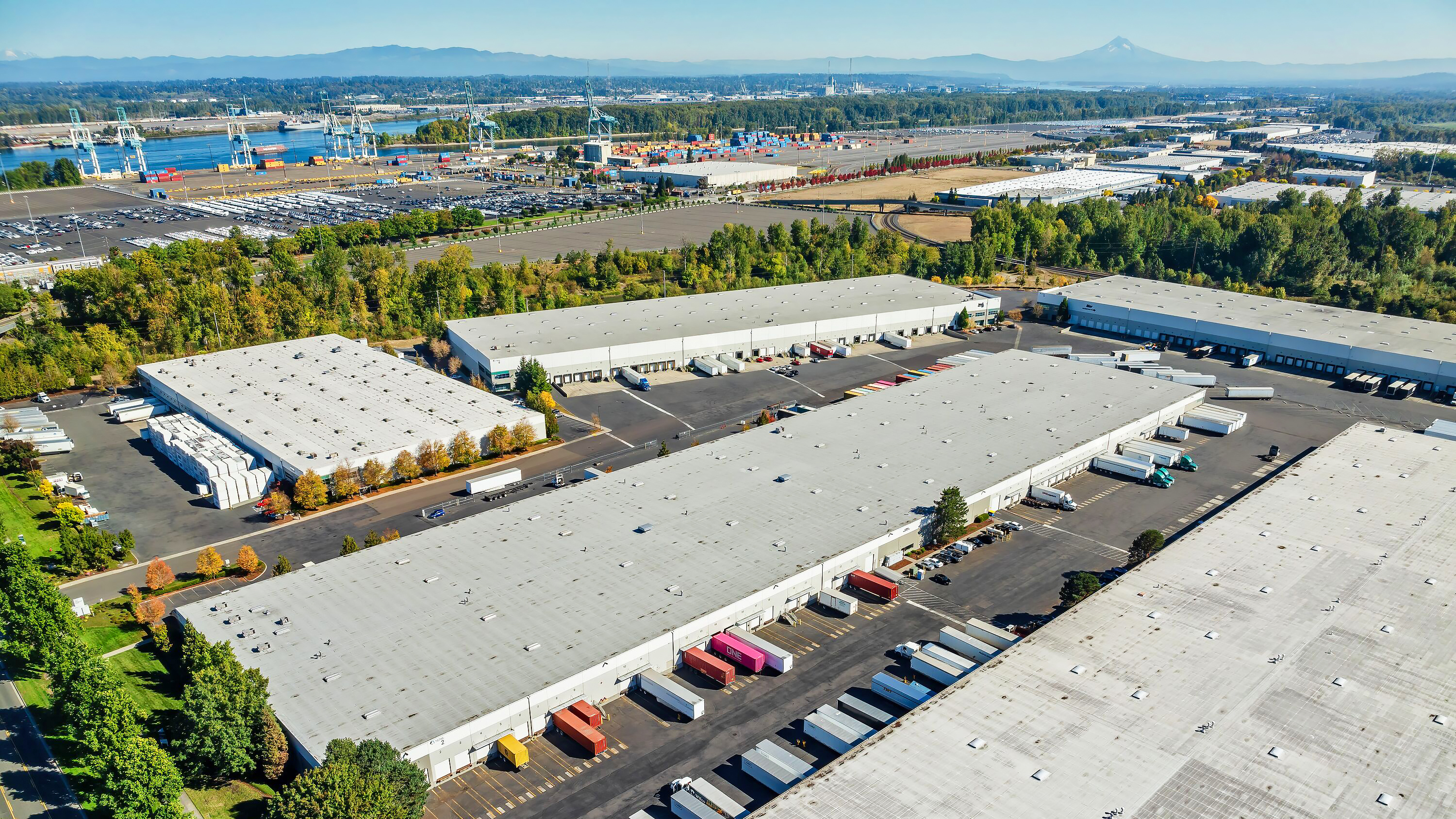
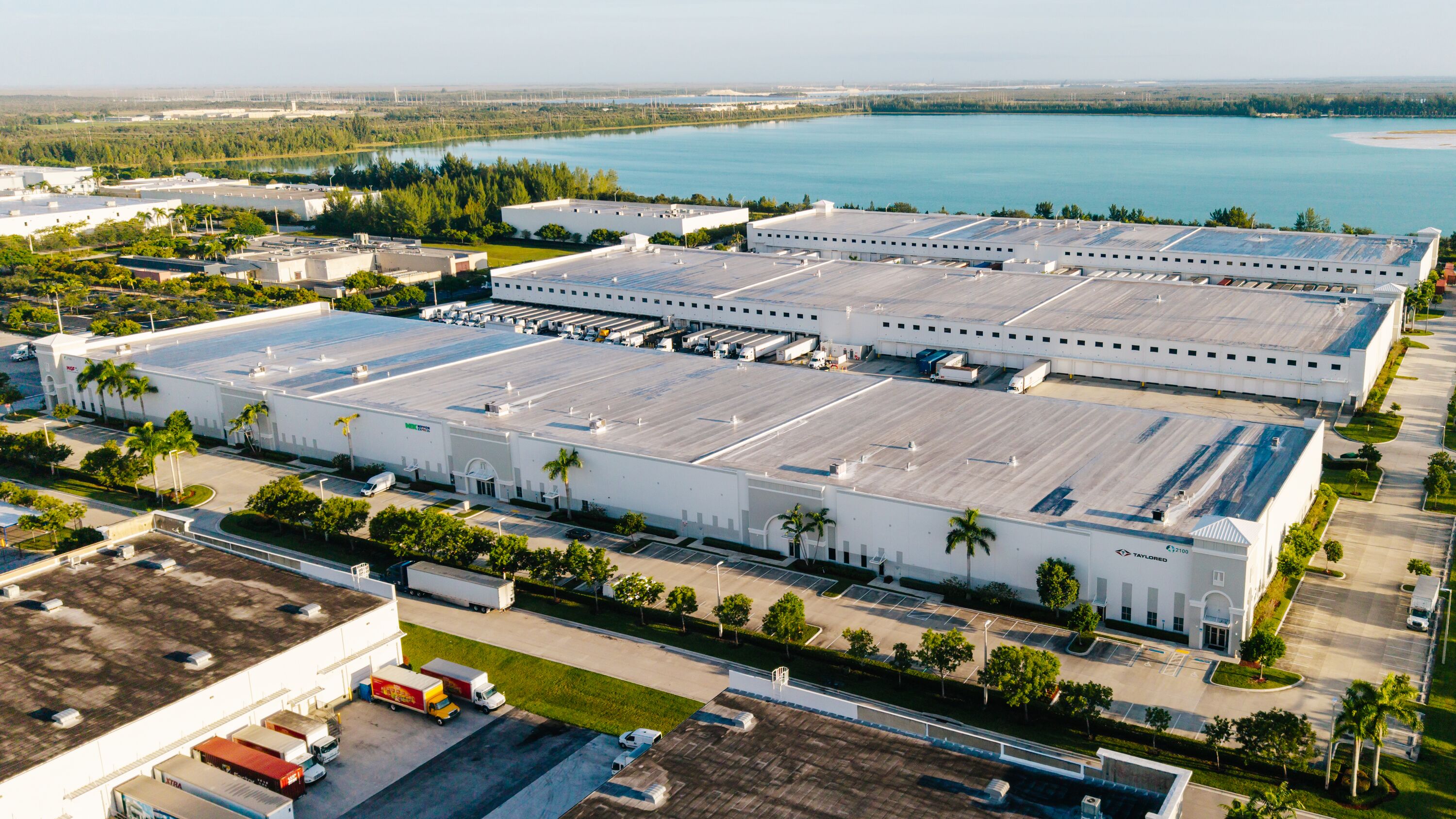
Aerial view of Prologis Kelley Point Distribution Center

Leasing Activity Accelerates in Q2 Despite Tariff Uncertainty

Published on

Key Messages

  1. Net absorption, new leasing activity and proposals improved quarter over quarter as customers looked beyond short-term volatility to active longer-term plans. 
  2. Utilization averaged 85% in Q2, up 50 bps compared to full-year 2024, in part because of customers front-loading inventories amidst changing trade policies.ii  
  3. Competition for high-quality space will intensify over the coming quarters as deliveries drop by 30% in the second half of 2025 compared to the same period in 2024.i 

The Prologis Industrial Business Indicator (IBI™) Utilization Rate trended upward in Q2 2025 as customers continued to expand into existing space. We maintain that utilization will be volatile in the near term as shifting trade policies disrupt typical import patterns but generally trend upward as companies grow into any excess capacity.  

  • Import volumes and inventories grew in the first half of the year as customers front-loaded stock in anticipation of tariff-related disruptions.
  • July’s utilization rate dropped, likely temporarily, as robust June retail sales (likely to continue into July, given early reports of healthy Prime Day revenues across merchants) emptied shelves and choppy import patterns delayed restocking.

The IBI Activity Index reflected slower growth in activity through Julyii as both import flows and retail sales were volatile month to month. Following a surge in pre-buying ahead of tariff implementation, retail sales leveled off and big-ticket purchases slowed.iii The logistics real estate customer base is composed of ~40% companies driven by basic daily needs, with another ~30% driven by structural trends like e-commerce, healthcare and advanced manufacturing, adding resilience to demand throughout cycle stages.

Leasing activity recovered in May and June as customers looked through near-term market volatility to long-term operational strategies and supply chain needs. While the pace of decision-making remains extended, customers are progressing with network buildouts and remain active in the market. Tenants in the market, proposal volumes and signed leases were all up in Q2.ii Leasing volumes have reflected renewed demand across key customer segments. The wait-and-see approach to new leasing by some customers means demand is getting pushed out to the second half of 2025 and beyond. 

  • Large-scale users with greater access to capital are leading activity, committing to build-to-suit developments and enhancing footprints to support future growth.  
  • In addition, leasing related to just-in-case inventory strategies, new nearshoring and reshoring activity in manufacturing and international companies leasing domestically has accelerated, signaling a need to move forward in network planning. 

Supply risk is largely in the past for most U.S. markets. Speculative development starts have declined by more than 75% from peak levels, reflecting a broad-based pullback in new construction. With replacement cost rents exceeding market rents by more than 20%, the economics of new development remain challenging, limiting future speculative groundbreakings.ii This dynamic is creating a short-term window of opportunity for customers. Prime space options are available in select locations, but these are expected to diminish as the pipeline of new deliveries slows and competition for quality product increases.

Market rent declines slowed with wide variation by location and property. Rents declined by only 1.4% in Q2,ii despite heightened volatility, driven primarily by repricing in West Coast markets. Customers are capitalizing on lower pricing to secure space, taking advantage of a window that is expected to narrow.

Conclusion

While long-term structural drivers of logistics real estate demand remain intact—including the growth of e-commerce and the need to modernize operations—the market is navigating a period of transition shaped by macroeconomic and policy uncertainty. In the face of this volatility, more customers are making deliberate, forward-looking decisions, positioning themselves for long-term success despite near-term ambiguity. Real-time indicators and direct feedback from users suggest that space needs persist, and that demand is poised to reaccelerate once greater clarity emerges around pricing and broader economic conditions. With new supply falling and competition for quality space intensifying, the current environment presents a narrow and time-sensitive window of opportunity for users to secure prime logistics real estate before rents increase.  

Endnotes

i. CBRE, JLL, Cushman & Wakefield, Colliers, CoStar, Prologis Research.
ii. Prologis Research.
iii. U.S. Census Bureau, Freightwaves.

Forward-Looking Statements

This material should not be construed as an offer to sell or the solicitation of an offer to buy any security. We are not soliciting any action based on this material. It is for the general information of customers of Prologis.

This report is based, in part, on public information that we consider reliable, but we do not represent that it is accurate or complete, and it should not be relied on as such. No representation is given with respect to the accuracy or completeness of the information herein. Opinions expressed are our current opinions as of the date appearing on this report only. Prologis disclaims any and all liability relating to this report, including, without limitation, any express or implied representations or warranties for statements or errors contained in, or omissions from, this report.

Any estimates, projections or predictions given in this report are intended to be forward-looking statements. Although we believe that the expectations in such forward-looking statements are reasonable, we can give no assurance that any forward-looking statements will prove to be correct. Such estimates are subject to actual known and unknown risks, uncertainties and other factors that could cause actual results to differ materially from those projected. These forward-looking statements speak only as of the date of this report. We expressly disclaim any obligation or undertaking to update or revise any forward-looking statement contained herein to reflect any change in our expectations or any change in circumstances upon which such statement is based.

No part of this material may be (i) copied, photocopied or duplicated in any form by any means or (ii) redistributed without the prior written consent of Prologis.

About Prologis Research

Prologis’ Research department studies fundamental and investment trends and Prologis’ customers’ needs to assist in identifying opportunities and avoiding risk across four continents. The team contributes to investment decisions and long-term strategic initiatives, in addition to publishing white papers and other research reports. Prologis publishes research on the market dynamics impacting Prologis’ customers’ businesses, including global supply chain issues and developments in the logistics and real estate industries. Prologis’ dedicated research team works collaboratively with all company departments to help guide Prologis’ market entry, expansion, acquisition and development strategies.

About Prologis

Prologis, Inc. is the global leader in logistics real estate with a focus on high-barrier, high-growth markets.  As of December 31, 2024, the company owned or had investments in, on a wholly-owned basis or through co-investment ventures, properties and development projects expected to total approximately 1.3 billion square feet (120 million square meters) in 20 countries. Prologis leases modern logistics facilities to a diverse base of approximately 6,500 customers principally across two major categories: business-to-business and retail/online fulfillment.