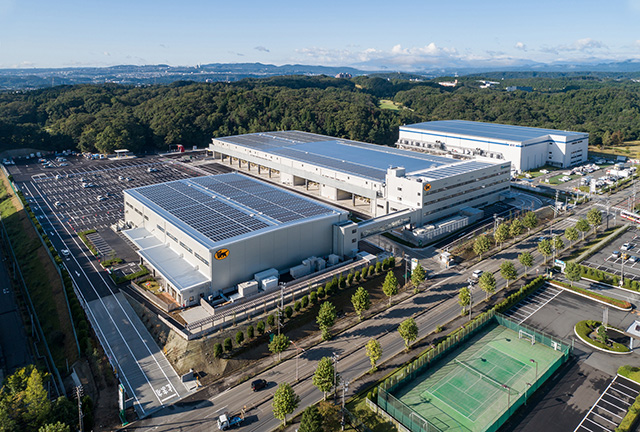
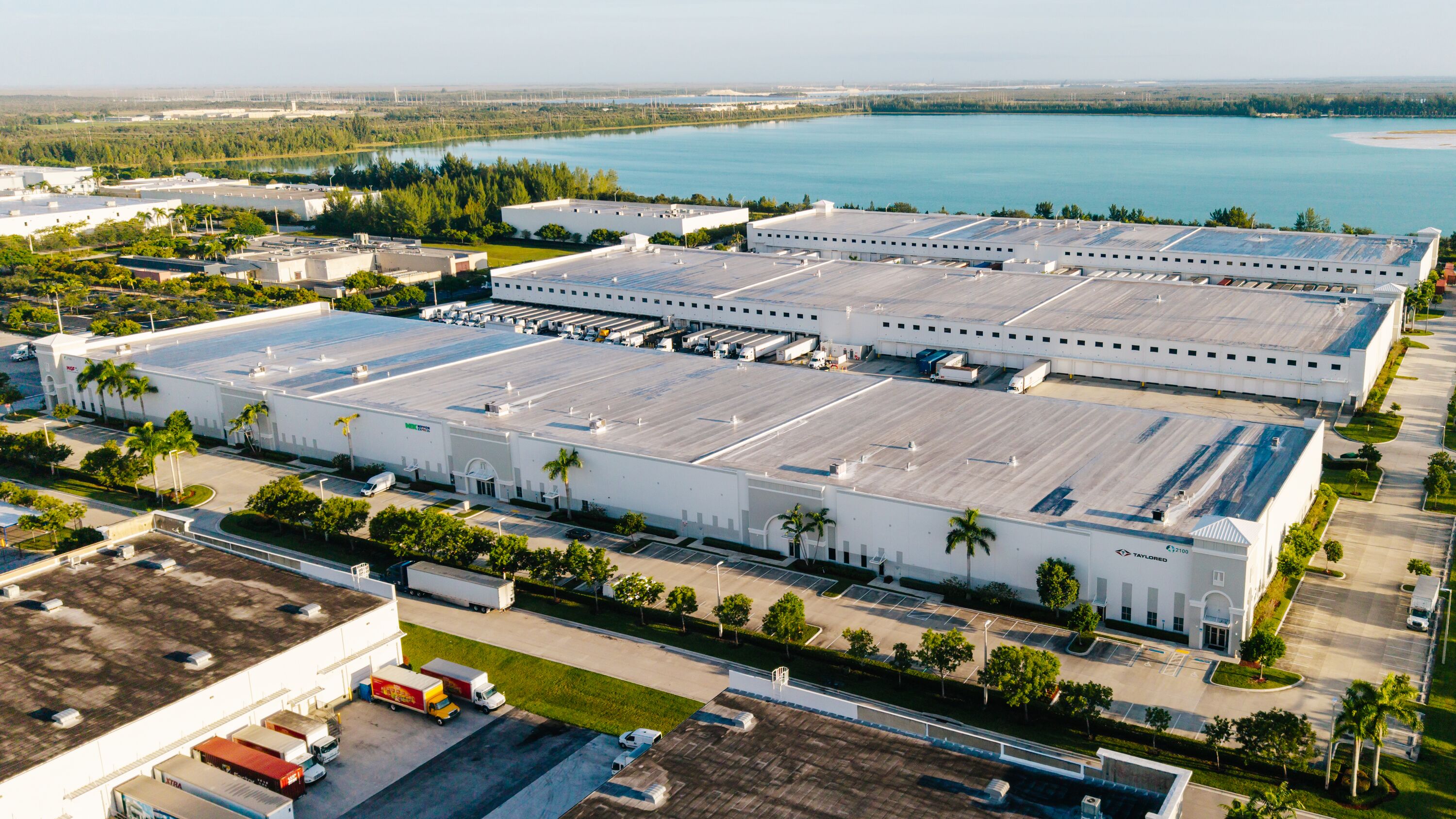
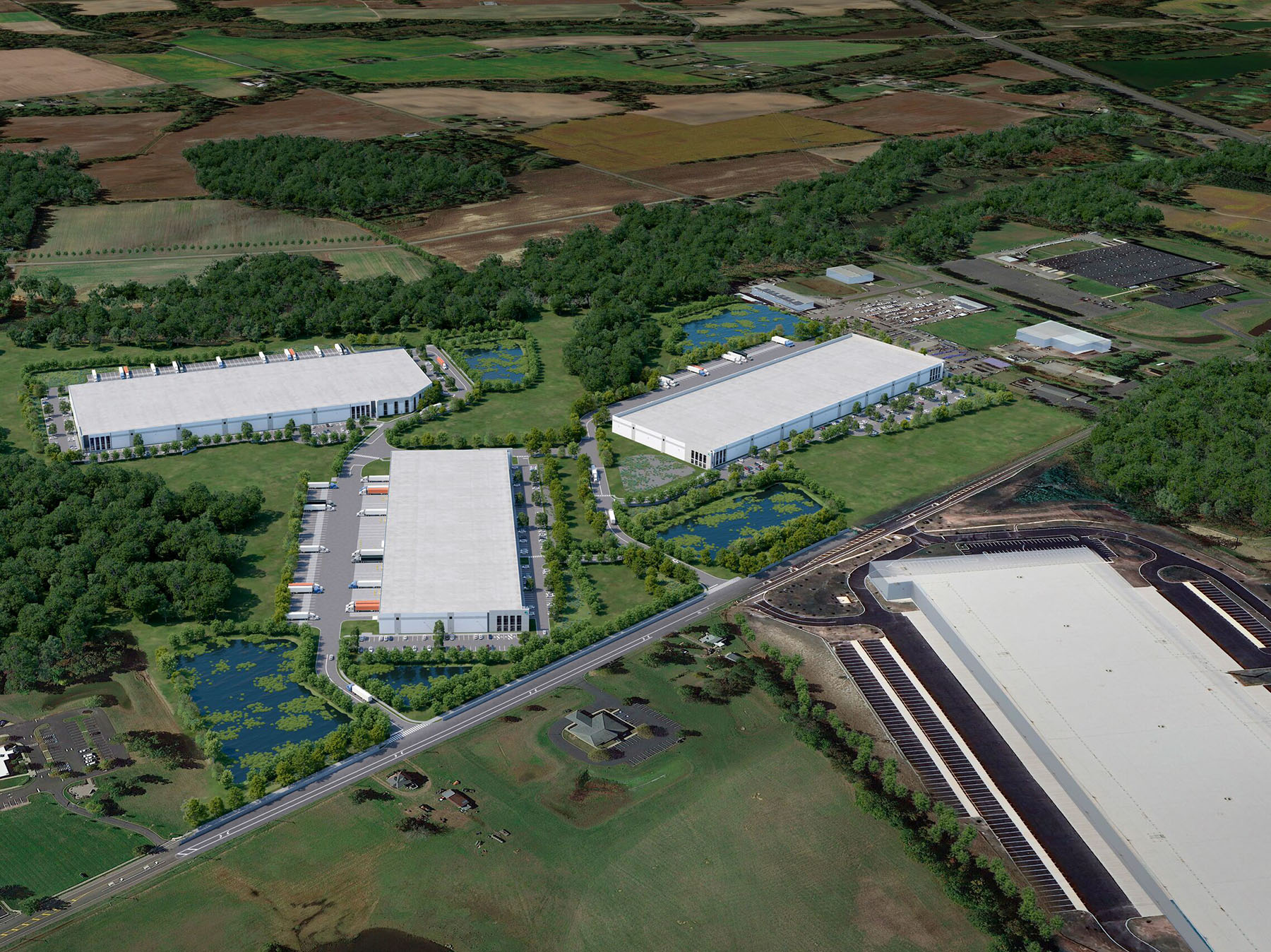
Exterior view of Prologis Lebanon

Growing Demand Points to Market Recovery

Published on

Key Messages

  • Warehouse activity rose further in Q1 after picking up in the final months of 2025 as supply chains reflect underlying growth. Despite fresh uncertainty from the Iran conflict, the IBI Activity Index has remained in the 55-60 range since the start of 2026, consistent with a growing flow of goods through U.S. facilities.
  • The logistics market is on the verge of tightening, with scarcity emerging in select locations and building types. Rising demand for space, coupled with deliveries that are ~20% below the pre-pandemic average, should drive vacancies lower over the course of 2026.
  • Pricing power has begun to shift in most U.S. markets, with rents rising in Q1 2026. With development costs still elevated, market rents would need to rise by an average of 20% to justify speculative construction.

Activity across sectors is in expansion territory, with manufacturers as a pocket of strength.

The IBI Activity Index reflected increased activity in warehouses, remaining in the expansionary 55 to 60 range through April 2026. By segment, manufacturers show the strongest growth in activity at 60 for the past 6 months, versus an average of 56 for all other user types. 

By geography, markets such as the Southwest, Midwest and Northern California reflect the strongest growth in activity, consistent with an outsized concentration of manufacturers, particularly in advanced manufacturing and data centers. 

Retail and services activity have also grown, with both segments rising to ~57 in recent months from a range of 48-52 six months ago. This growth is supported by stable core retail sales (+0.4% m/m in March) and continued movement of inventories from wholesale to retail to backfill new sales within core categories.

Utilization reflects room to grow as confidence improves.

While uncertainty has not dampened activity, measured network expansions alongside a cautious inventory build has kept the utilization rate below its long-term average in recent quarters, averaging 84% since the start of 2026. The inventory-to-sales ratio was 6% below the 2019 average in February 2026, the leanest level since 2021. 

Underneath the surface, customers say they are prioritizing high-demand inventory as a tactic to limit tariff costs and manage uncertainty surrounding consumer spending and sentiment and volatile inventory costs. Low import growth of 1.2% y/y YTD reinforces this cautious ordering behavior.  At the same time, logistics decision-making reflects the potential for future growth: net absorption was 45 million square feet, or 225 million square feet on a seasonally adjusted annual basis, near historical expansionary averages, with some caution around momentum given uncertainty. Sublease availabilities ticked down in Q1 by 10 bps as customers grew into their networks. 

Given these signals and customer commentary, the excess space within facilities likely represents capacity to increase inventories in the future as confidence improves.

Growing demand points to increased competition for fewer spaces.

Absorption for logistics space is improving, and we expect full-year net absorption nearing 200 million square feet, up from 2025 but still below normal levels of absorption as we remain watchful for delayed impacts from the Iran conflict. In the meanwhile, an elevated leasing pipeline showcases the dynamic that emerged in 2H25: logistics users are leasing through the noise to meet supply chain needs. 

New deliveries should hit their lowest level in a decade in 2026, totaling approximately 190 MSF. As new supply is absorbed and the market rebalances, the U.S. vacancy rate should contract by year-end and limit future options in the most sought-after spaces. 

A diverse customer base is adding to growth.

The customer mix is evolving as a combination of existing and new demand drivers support leasing activity. E-commerce and essential goods companies are growing footprints in key consumption-oriented locations. New growth segments are also emerging, including data center suppliers, which accounted for ~10% of new leasing in Q1 2026 and are poised to expand further. Leasing activity in gateway markets such as New Jersey and the Inland Empire are seeing the return of traditional retailers and large corporate users, capturing some pent-up demand and reflecting a shift toward broader and more sustainable demand. 

Rents are beginning to rise.

Pricing power has begun to shift across most U.S. markets, with rent growth turning positive in Q1 2026 for the first time since 2023. The construction pipeline shrank to 1.7% of stock, below the 2.5% pre-pandemic average, putting upward pressure on rents as fewer new buildings come online. Rent-growth trajectories will continue to differ based on demand and supply fundamentals

Conclusion 

The U.S. logistics market is progressing through an inflection period in 2026. Based on proprietary metrics and occupier sentiment as of mid-April 2026, near-term demand retains momentum, boosted by new and ongoing structural forces, while lower completions should reduce vacancy and lift rents across most markets. Customers looking to expand spaces will likely see options fade through the year and should act now to secure well-located space. 

End Notes

  1. Prologis Research.

  2. CBRE, JLL, Cushman & Wakefield, Colliers, CoStar, Prologis Research.

  3. Prologis Research.

  4. Prologis Research.

  5. U.S. Census Bureau.

  6. U.S. Census Bureau.

  7. CBRE, JLL, Cushman & Wakefield, Colliers, CoStar, Prologis Research.

  8. CBRE, JLL, Cushman & Wakefield, Colliers, CoStar, Prologis Research.

  9. CBRE, JLL, Cushman & Wakefield, Colliers, CoStar, Prologis Research.

Forward-Looking Statements

This material should not be construed as an offer to sell or the solicitation of an offer to buy any security. We are not soliciting any action based on this material. It is for the general information of customers of Prologis.

This report is based, in part, on public information that we consider reliable, but we do not represent that it is accurate or complete, and it should not be relied on as such. No representation is given with respect to the accuracy or completeness of the information herein. Opinions expressed are our current opinions as of the date appearing on this report only. Prologis disclaims any and all liability relating to this report, including, without limitation, any express or implied representations or warranties for statements or errors contained in, or omissions from, this report.

Any estimates, projections or predictions given in this report are intended to be forward-looking statements. Although we believe that the expectations in such forward-looking statements are reasonable, we can give no assurance that any forward-looking statements will prove to be correct. Such estimates are subject to actual known and unknown risks, uncertainties and other factors that could cause actual results to differ materially from those projected. These forward-looking statements speak only as of the date of this report. We expressly disclaim any obligation or undertaking to update or revise any forward-looking statement contained herein to reflect any change in our expectations or any change in circumstances upon which such statement is based.

No part of this material may be (i) copied, photocopied or duplicated in any form by any means or (ii) redistributed without the prior written consent of Prologis.

About Prologis Research

Prologis’ Research department studies fundamental and investment trends and Prologis’ customers’ needs to assist in identifying opportunities and avoiding risk across four continents. The team contributes to investment decisions and long-term strategic initiatives, in addition to publishing white papers and other research reports. Prologis publishes research on the market dynamics impacting Prologis’ customers’ businesses, including global supply chain issues and developments in the logistics and real estate industries. Prologis’ dedicated research team works collaboratively with all company departments to help guide Prologis’ market entry, expansion, acquisition and development strategies.

About Prologis

Prologis, Inc., is the global leader in logistics real estate with a focus on high-barrier, high-growth markets. At March 31, 2026, the company owned or had investments in, on a wholly owned basis or through co-investment ventures, properties and development projects expected to total approximately 1.3 billion square feet (120 million square meters) in 20 countries. Prologis leases modern logistics facilities to a diverse base of approximately 6,500 customers principally across two major categories: business-to-business and retail/online fulfillment.