
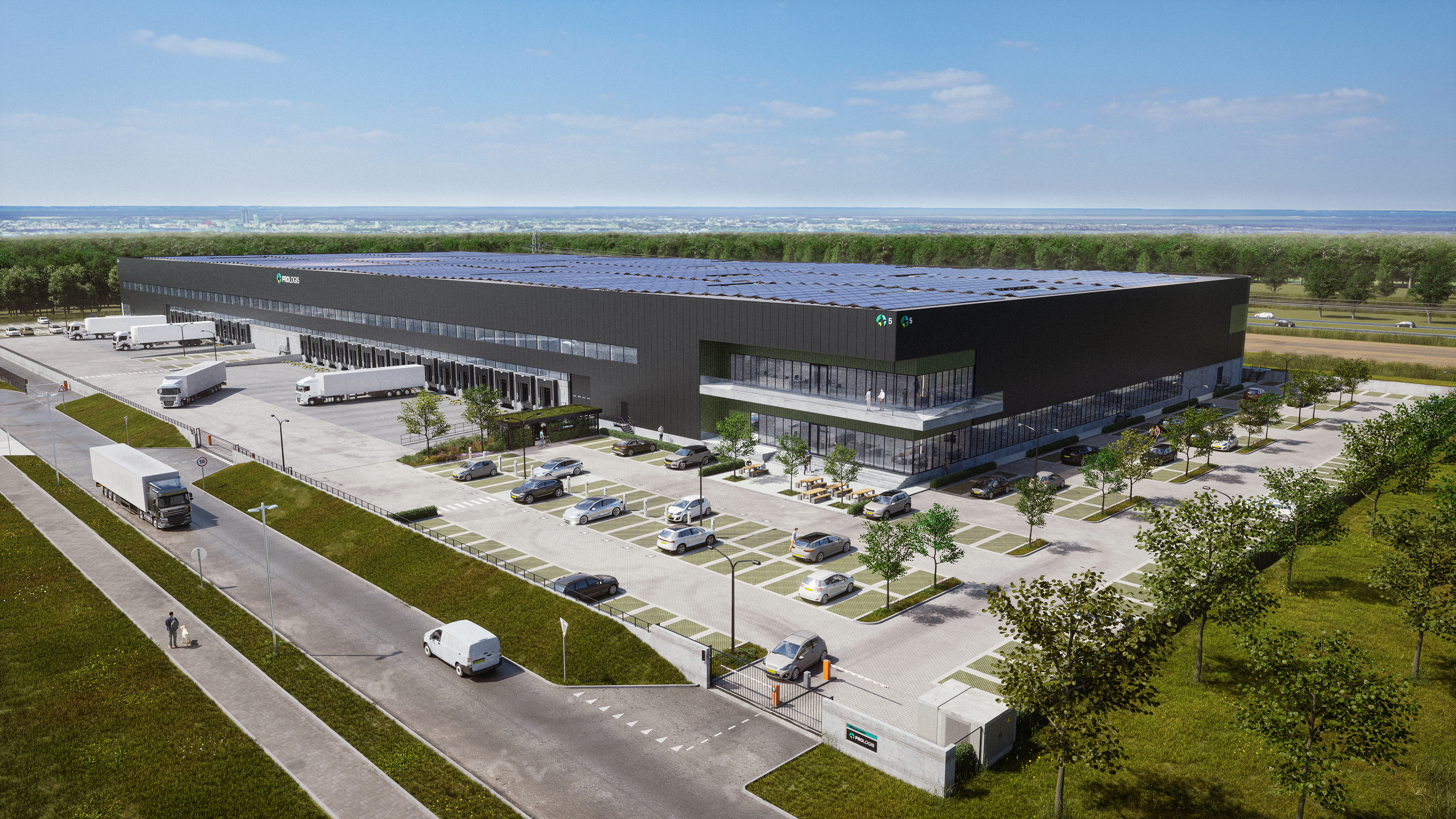
Aerial view of Prologis Park Almere

Prologis Unveils Its First Microgrid-Powered Logistics Facility in Europe

Published on
Content Above Blog Author

Across the world, companies are running into the same problem: they want to grow—but the power grid can’t keep up. From the U.S. to Europe to Asia, grid congestion has become a barrier to progress, slowing projects that could bring jobs, innovation and investment to local communities.

In the Netherlands, that pressure is especially visible. In Almere, a fast-growing city just east of Amsterdam, one site faced the same challenge: insufficient access to power. Instead of waiting years for a new grid connection, we worked to find another path to make this well-located site a viable logistics facility. The building, Almere DC5, is powered by a renewable-first microgrid that generates, stores and manages its own energy.

What’s taking shape there is more than a single building—it’s a model for how decentralized energy systems can keep economies moving even when the grid can’t.
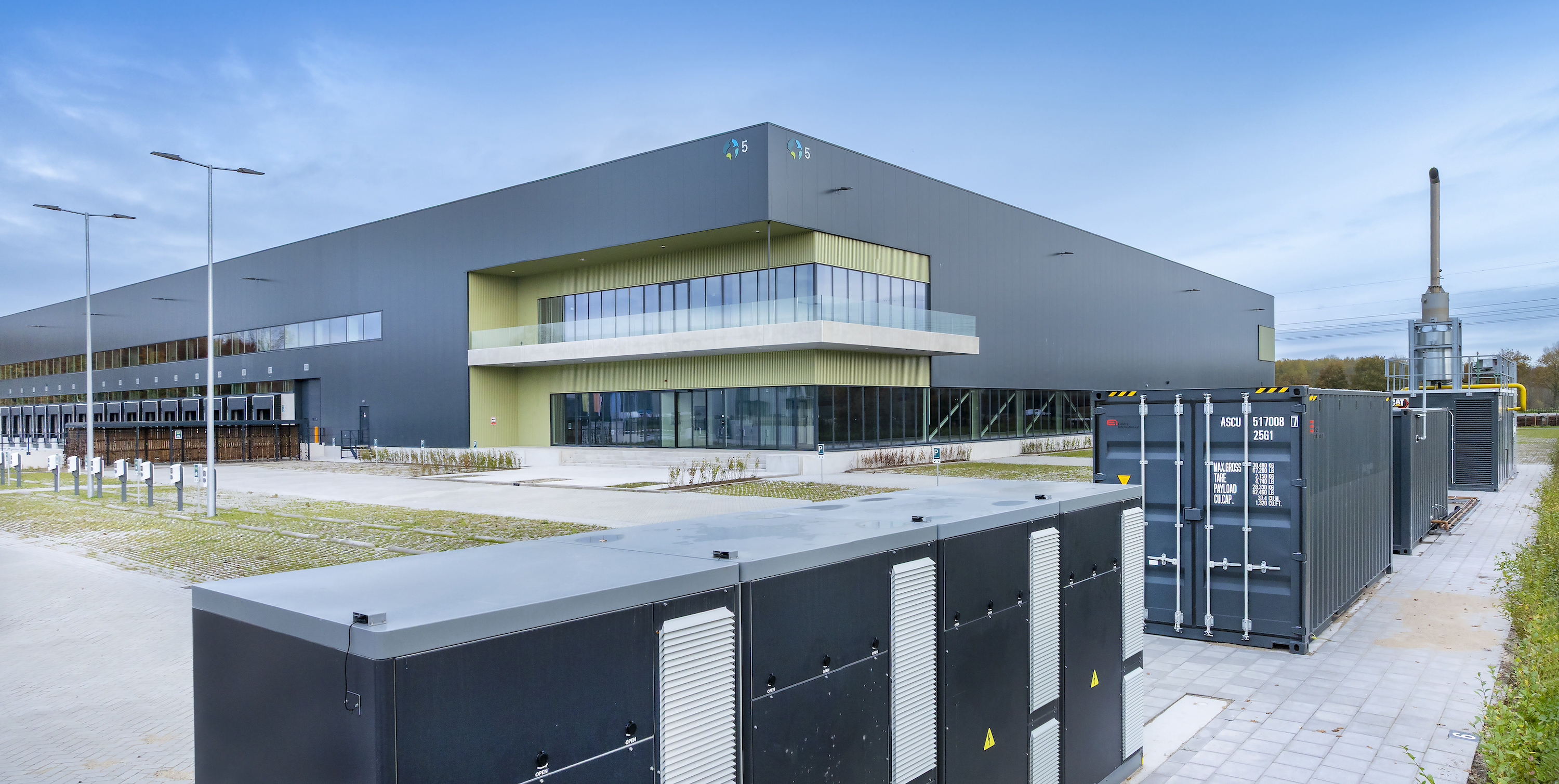
Panoramic view of Almere DC 5 microgrid

A Local Solution with Global Potential

At Almere, power availability from the utility was capped at just 55 kilowatts until at least 2035—far below what’s needed for a modern logistics facility. That challenge sparked a new approach that’s now informing projects far beyond the Netherlands.

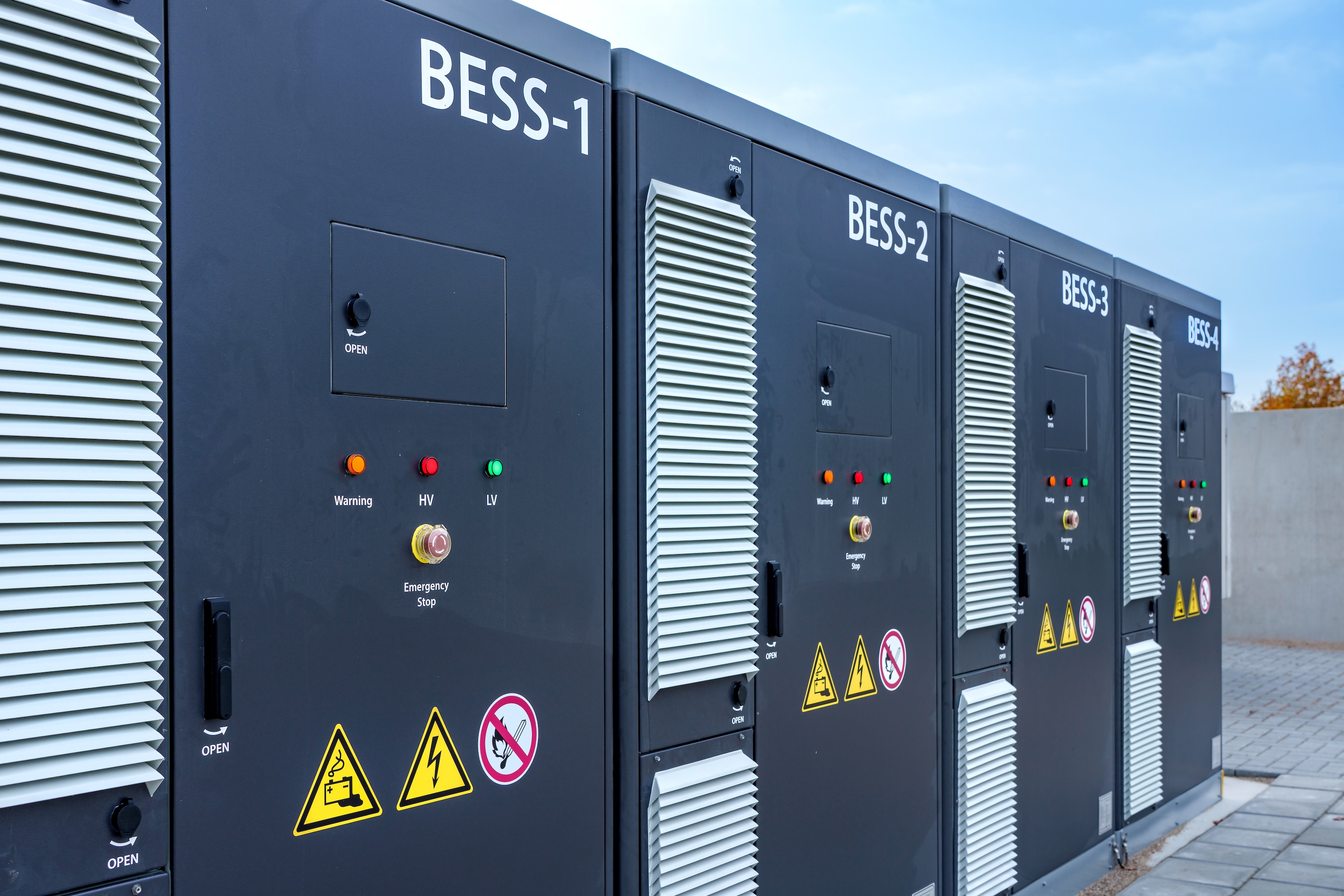
Prologis developed a microgrid system using the company’s OnDemand Power platform—a modular, plug-and-play system that provides an interim or long-term energy solution when grid connections are constrained. The setup combines rooftop solar, battery storage and backup generation, managed by a smart energy system that balances supply and demand in real time. The result: over 400 kilowatts of reliable on-site power, with solar covering roughly half of annual energy use.

That means operations can begin immediately—no waiting for grid expansion. And, the system has three levels of redundancy, offering 99.9% energy reliability.

Energy Resilience is Key in a Changing World

Almere DC5 isn’t just powered differently; it’s built differently. The facility meets BREEAM “Very Good” standards, features all-electric heating and uses low-carbon, circular construction materials. Every detail is designed to improve resilience—something that matters as much in Tokyo or Tennessee as it does in the Netherlands.

By embedding energy solutions directly into its buildings, we are helping customers stay operational and future-ready in a world where energy reliability is no longer guaranteed.

Microgrids at Almere DC5

From Almere to Everywhere

The lessons from Almere are already influencing other projects across Europe and beyond. Each one may look different—shaped by local conditions, energy markets and community needs—but the principle remains the same: flexible, decentralized energy makes growth possible where the grid cannot.

For customers, it means confidence to keep investing. For communities, it means opportunity that’s no longer dependent on grid timelines. It’s a sign that growth can continue reliably, responsibly and on demand.

Melchert Duijve

Melchert Duijve

Position
Vice President, Energy, Mobility & Sustainability, Europe

Melchert Duijve leads Prologis’ energy, mobility and sustainability initiatives in Europe. He has spent his entire career in the energy sector, working across utilities, consulting and clean tech innovation. Before Prologis, Melchert led strategy, operations and partnerships at energy-IoT company Aurum. He also previously worked as a strategy consultant in the Energy and Utilities practice at Accenture, and worked at Alliander, the Netherlands’ largest distribution system operator. He holds a master’s degree in Energy Science.