
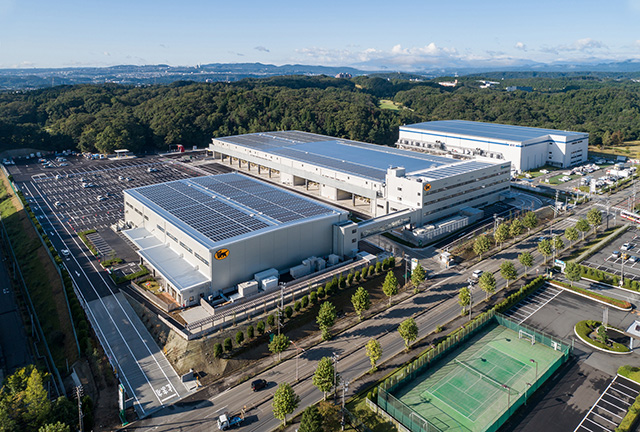

A sustainability report can often look like just a collection of numbers, but, for the Prologis sustainability report, those numbers tell a broader story about how we adapt to changing business conditions and prepare for the future.
That story starts with the changing role of logistics real estate. Customers need facilities that are efficient and future ready. Investors want assets that perform over the long term. Communities expect responsible development and economic opportunity.
Our work sits at the intersection of all three.
Prologis’ 2025–26 Global Impact & Sustainability Report shows how we are responding to changing customer needs, rising energy demand and evolving market expectations across our business. Here are five themes on how integrating sustainability into our business strategy creates value for our customers, investors, employees and communities.
How to boost sustainability for logistics facilities
Sustainability starts with future-proofed building decisions, including design, materials and operating efficiency. These choices can improve efficiency, enable logistics decarbonization, support customer and investor sustainability goals, and contribute to long-term asset performance.
In 2025, Prologis achieved, or was in the process of achieving, sustainable building certifications for 100% of eligible new logistics real estate development and redevelopment projects. More than one-quarter of our logistics real estate portfolio is now sustainably certified, as is 37% of the space leased by our 25 largest customers.
We use life cycle assessments early in the development process to model the likely carbon impact of building materials and operations. We also apply an internal price of carbon so teams can weigh emissions alongside cost and performance when making design decisions, supporting efficient logistics decarbonization.