
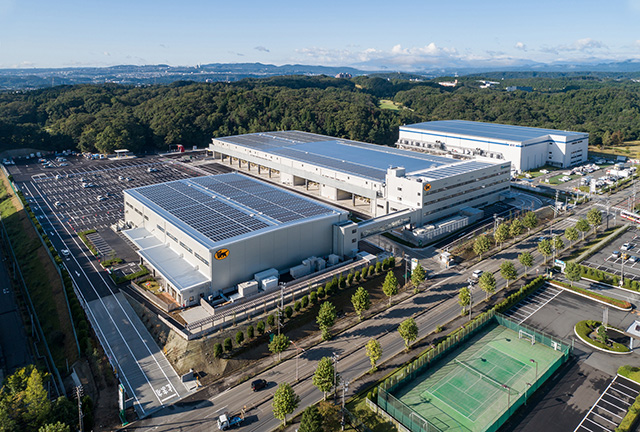

A warehouse roof may not look like energy infrastructure, but Prologis has been using its rooftops to generate power close to where it’s needed.
In Oakland, California, Prologis and Ava Community Energy partnered on a new rooftop solar array — the first completed project in a five-site portfolio. In Southern California, a warehouse rooftop in Carson is helping power Clean Power Alliance’s community solar program. Across Prologis’ global portfolio, properties are located near major population centers, consumption hubs and areas where energy demand is high — creating opportunities for energy solutions where market conditions, customer needs and policy frameworks align.
Why Community Solar Programs Matter
Community solar is one way Prologis uses warehouse rooftops to support local energy needs. The company installs solar panels on select rooftops, supplying the power through local energy providers to eligible residents.
The model can be especially helpful for renters and residents in multifamily buildings who may not be able to install solar where they live. For participating households, community solar can lower monthly energy bills. For the grid, it adds generation closer to where electricity is used, helping support a more resilient energy system as demand grows.
Clean Power Alliance Partnership in Southern California
In Carson, Prologis and Clean Power Alliance recently completed and switched on a rooftop community solar project at Prologis’ South Bay 20 facility. The project will provide 100% renewable energy at reduced rates to approximately 500 local households. Discounted energy will also be provided to the City of Carson, helping reduce energy costs at City Hall. The project is part of Clean Power Alliance’s Power Share program, which is tied to California’s Disadvantaged Communities Green Tariff initiative.
Through the broader program, Prologis has executed power purchase agreements with Clean Power Alliance to install rooftop solar across 10 warehouse properties in Southern California. Together, these projects represent more than 9 megawatts of solar capacity and will serve about 4,670 homes. Those residents, spanning 38 communities, will see an estimated 20% savings on electricity bills.