
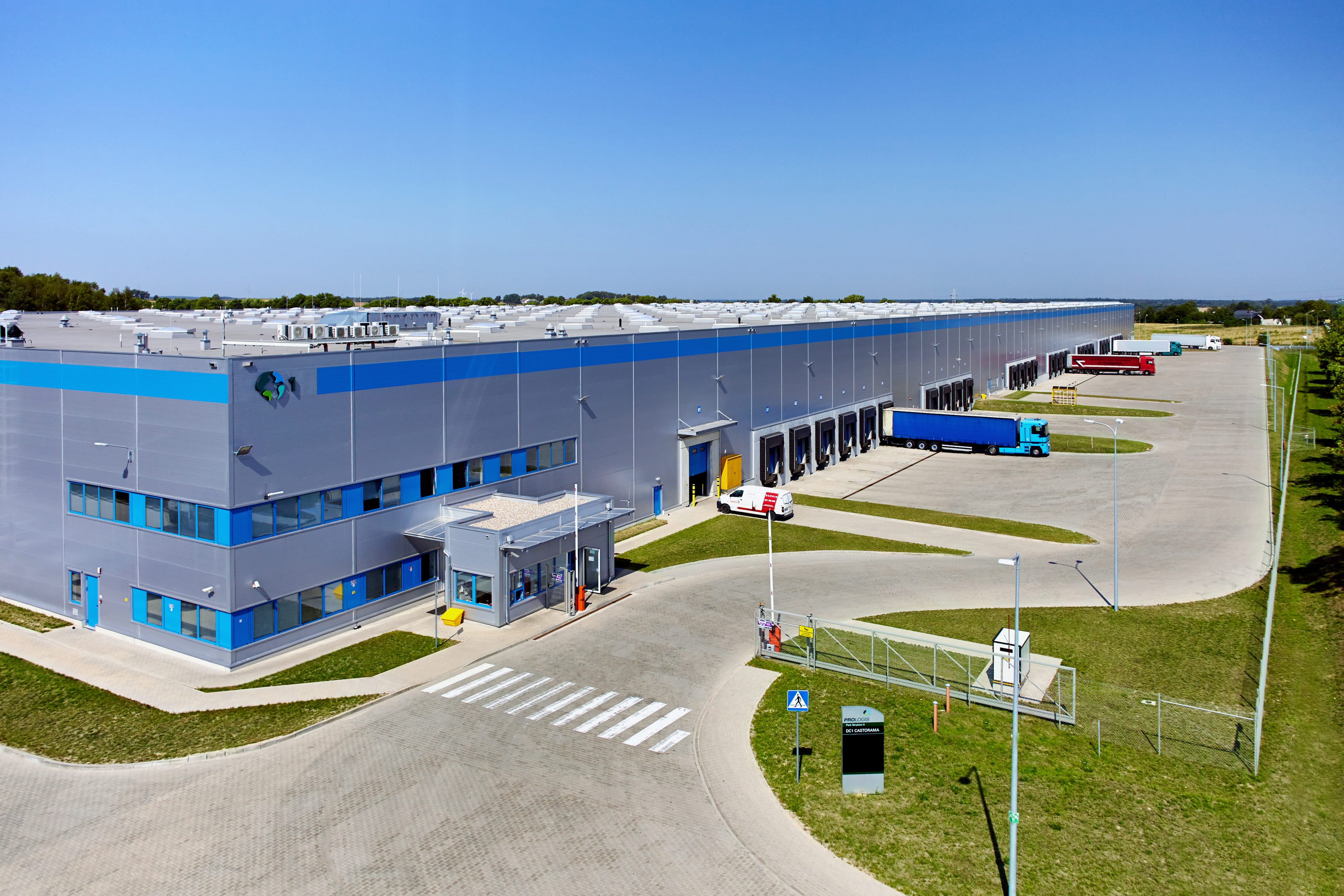
Angled view of warehouse loading dock at Prologis Park Strykow in Strykow, Poland. Blue stripe on building with Prologis globe and number 1, security gate and booth, trucks parked in lot and green lawn

The Role of Transportation in Supply Chain Management

Published on · 2 min 56 read
Content Above Blog Author

Of all the processes in your supply chain, few have an impact on your business quite like your choice of transportation. Transportation methods ensure deliveries to and from your facility flow smoothly and arrive at their designated destinations on time.

Because of the importance of transportation to your business’s success, it’s vital to include this factor in your supply chain management strategy. In fact, it is so important that transportation is considered one of the three primary components of supply chain management.

The Three Components of Supply Chain Management

A supply chain features three main components: purchasing, manufacturing and transportation. You will need to make many key decisions across these three components from start to finish, including:

  • Materials to be used for products
  • Production amounts
  • Inventory levels
  • Distribution network configuration
  • Transportation for both receiving and shipping

Effective transportation management is often the competitive differentiation for a company and should be included in any supply chain management strategy.
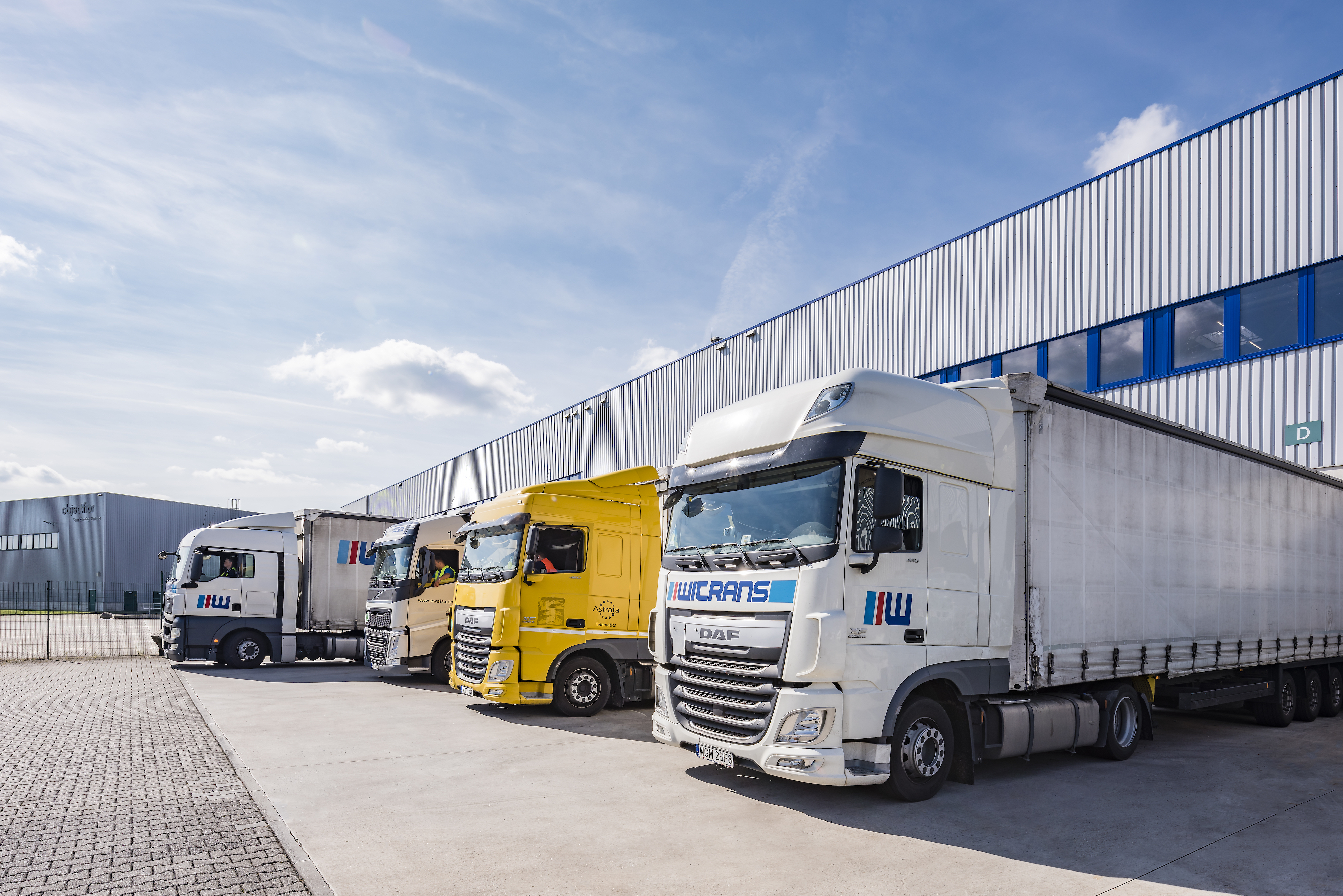
Angled view of warehouse exterior loading dock at Prologis Park Cologne in Cologne, Germany with four semi trucks up close

How Transportation Works in Supply Chain Management

Transportation in a supply chain refers to the movement of products from one location to another, which begins at the start of the supply chain as materials make their way to the warehouse and continues all the way to the end user with the customer’s order delivered at the doorstep.

Because of the importance of transportation, warehouse managers should examine transportation within their supply chains. Ultimately, this is the only way to achieve lower total costs for a model where transportation can account for as much as 60 percent of total operational costs, a significant portion of a company's supply chain costs.

Supply Chain Transportation Risks to Consider

Modern supply chain transportation managers deal with more risks than ever before, so mitigating these risks is key to keep a supply chain moving with minimal delays. Recent risks facing the transportation industry include driver shortages, cyberattacks and a deteriorating infrastructure, to name a few.

According to the American Trucking Association, the trucking industry projects a shortage of more than 100,000 drivers by 2022. At an average age of 56, America’s truckers will soon retire in large numbers with nowhere near enough replacements. With fewer drivers, greater demand will be placed on the drivers still on the road, which could increase the risks of fatigue-caused accidents.

It is essential for companies to stay up to speed with technological advances in order to remain competitive. With an explosion of vehicle technology in recent years (including automation and internet-connected sensors), the industry is more exposed to a new wave of risks, such as cyberattacks by hackers, so it’s important drivers use the latest in security tactics and software.

Another growing risk in the transportation field is the continued decline of America’s roadways and transportation infrastructure. From crumbling bridges and roadways to increased traffic congestion on the rails and in the air, delays can occur anywhere. As a result, vehicles are more likely to consume additional fuel and incur damage, thus requiring more frequent maintenance and repairs.

Your supply chain’s success depends on a strategic use of appropriate transportation. An example would be to adopt a responsive transportation system, which uses cross docking—exchanging a product between trucks so that each truck delivers products from different suppliers to the designated destinations. In the end, cross docking helps lower overall costs.

To help manage these and other risks and to increase performance and reliability, companies need to enhance visibility and transparency across the transportation supply chain and use a well-executed transportation management system. Learn more about the modern supply chain and how transportation factors into supply chain management.

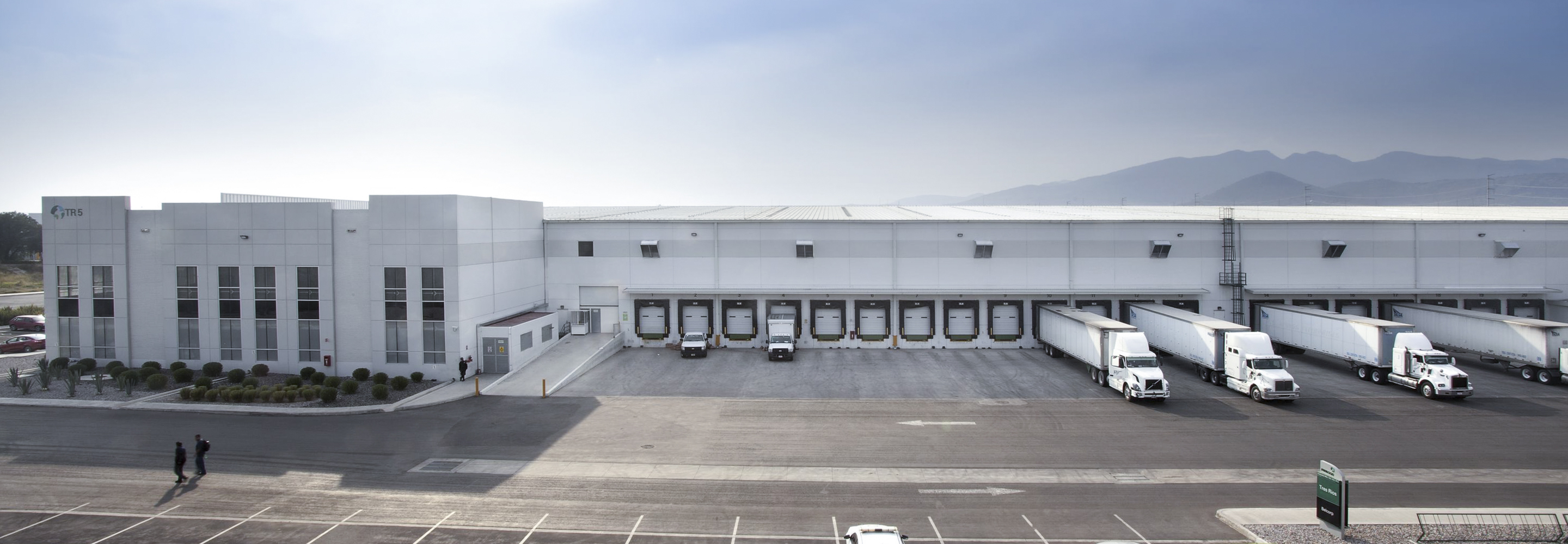
Exterior view of the loading area at Tres Rios distribution center

Real Estate Expertise

Part of a successful supply chain management strategy is to find the right location for your facility. Explore how acquires, develops and maintains the largest collection of high-quality logistics real estate in the world.

Carter Andrus

Carter Andrus

Position
Chief Operating Officer

Carter Andrus serves on the Executive Committee at Prologis and is responsible for the global strategy of the company's real estate operations, including its core real estate portfolio comprising 1.2 billion square feet and capital deployment activities across the 20 countries in which Prologis operates. Previously, Andrus was global head of operations, where he was responsible for all aspects of the company's real estate operations and the regional team’s responsibilities for ancillary business functions, such as Essentials. He holds a Bachelor of Arts in economics from the University of Michigan.