
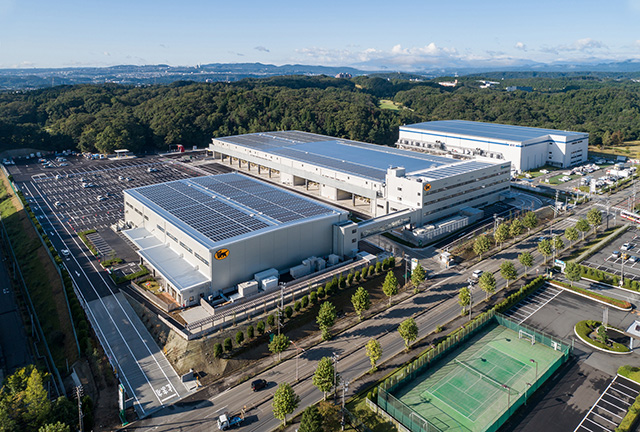
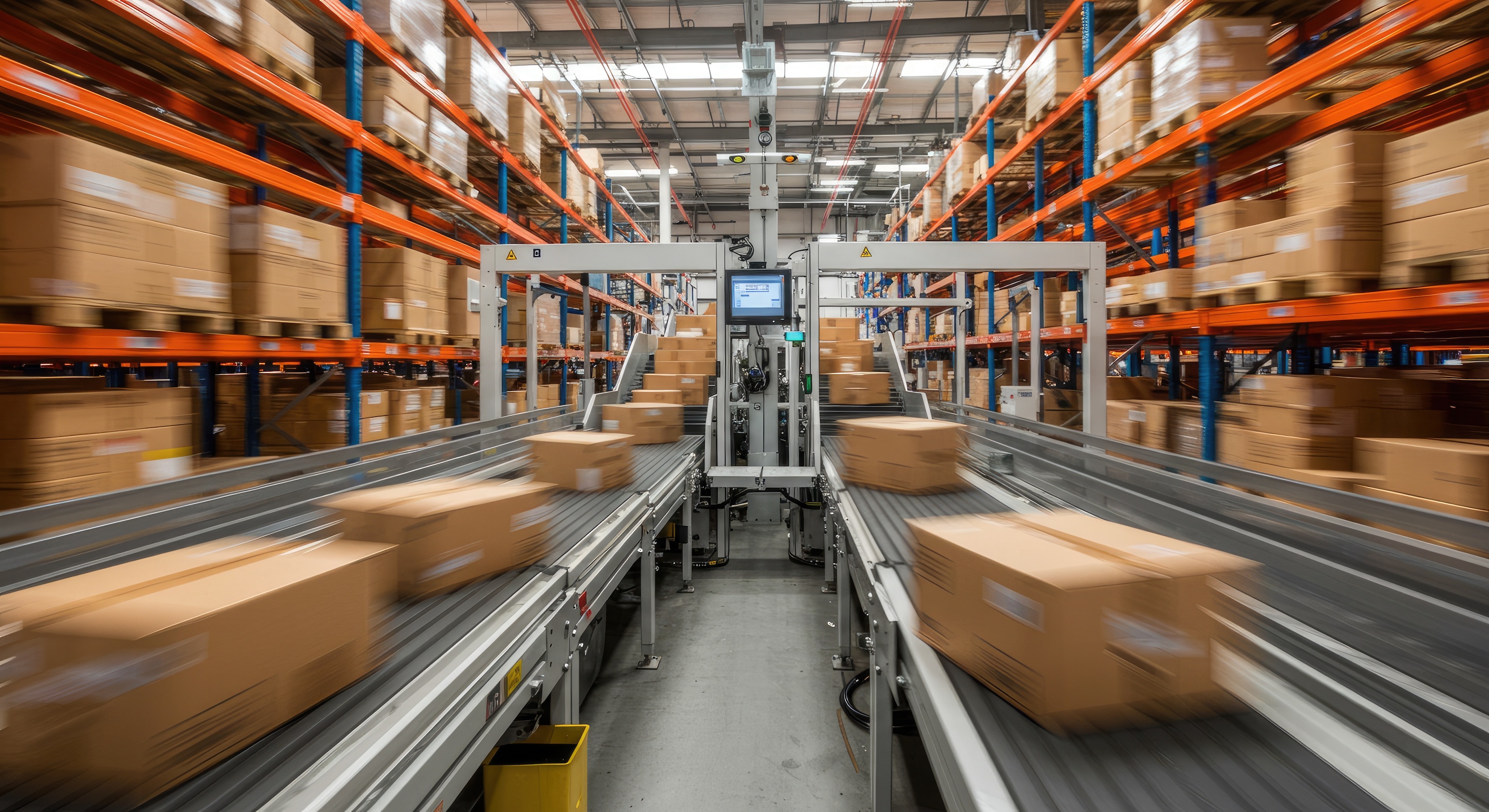
U.S. holiday spending is set to surpass $1 trillion for the first time—but the bigger story isn’t at the checkout line. It’s in the warehouses, ports and fulfillment centers powering that trillion-dollar flow.
According to our Bold Predictions for 2026, U.S. warehouse utilization is climbing toward expansionary levels as customers max out existing space and look to expand. Much of that demand is being fueled by e-commerce, which our research shows will drive nearly a quarter of new leasing by 2026.
A Trillion Dollars in Motion
The holiday season is a good pulse check for how supply chains are running. It’s busy, but not unmanageable—the kind of predictable surge the system knows how to handle. Even so, small disruptions, such as a delay at a terminal or a shortfall in warehouse staff, can show where there’s still room to build flexibility. Parents don’t want to tell their kids their holiday gift didn’t arrive because a ship wasn’t unloaded, or a package never made it to the doorstep.
As our 2026 research predicts, many retailers are re-focusing on speeding up high throughput operations near major trade gateways and investing in distributed, “close-to-consumer” networks, which keep inventory in local or regional hubs near key metros. This model is gaining traction fast; early data suggests that logistics space demand in major U.S. gateway markets—from New Jersey to the Inland Empire—will reach a three-year high by 2026, resulting in less last-mile strain, faster response times and more agile networks.
The Supply Chain Is Getting Smarter – and Hungrier for Power
Technology has helped warehouses move volume more quickly and accurately with fewer workers, while real-time visibility tools allow companies to reroute inventory before delays snowball. But as our bold predictions point out, all of these advancements depend on power.
We're forecasting that power availability will rank among the top three factors globally in location selection in 2026. Across key markets, facilities with reliable and renewable energy access are being leased first. In the U.S. and Europe, grid constraints are already prompting investment in on-site generation, microgrids and energy storage to ensure operations stay online and costs contained even at peak demand.
Real estate, once viewed as a cost center, is now an enabler of resilience, agility and risk management.
What This Season Reveals
The trillion-dollar milestone underscores both strong consumer demand and the growing complexity of delivering on it. The companies that thrive won’t just move goods quickly—they’ll move them intelligently and sustainably.
To hear more about our 2026 predictions, check out my episode on the Moving the World podcast, available on Spotify, Apple Podcasts and YouTube.