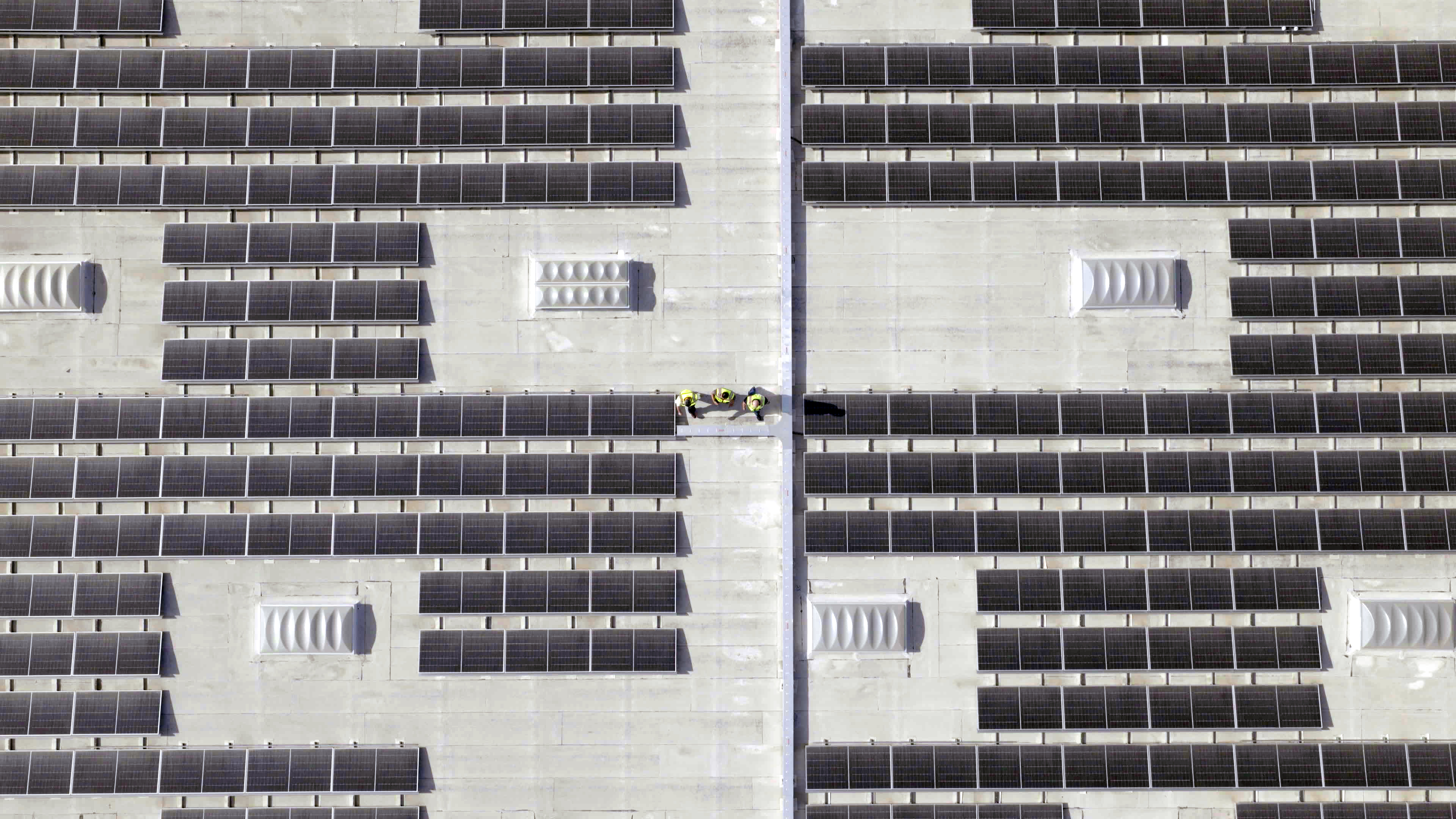
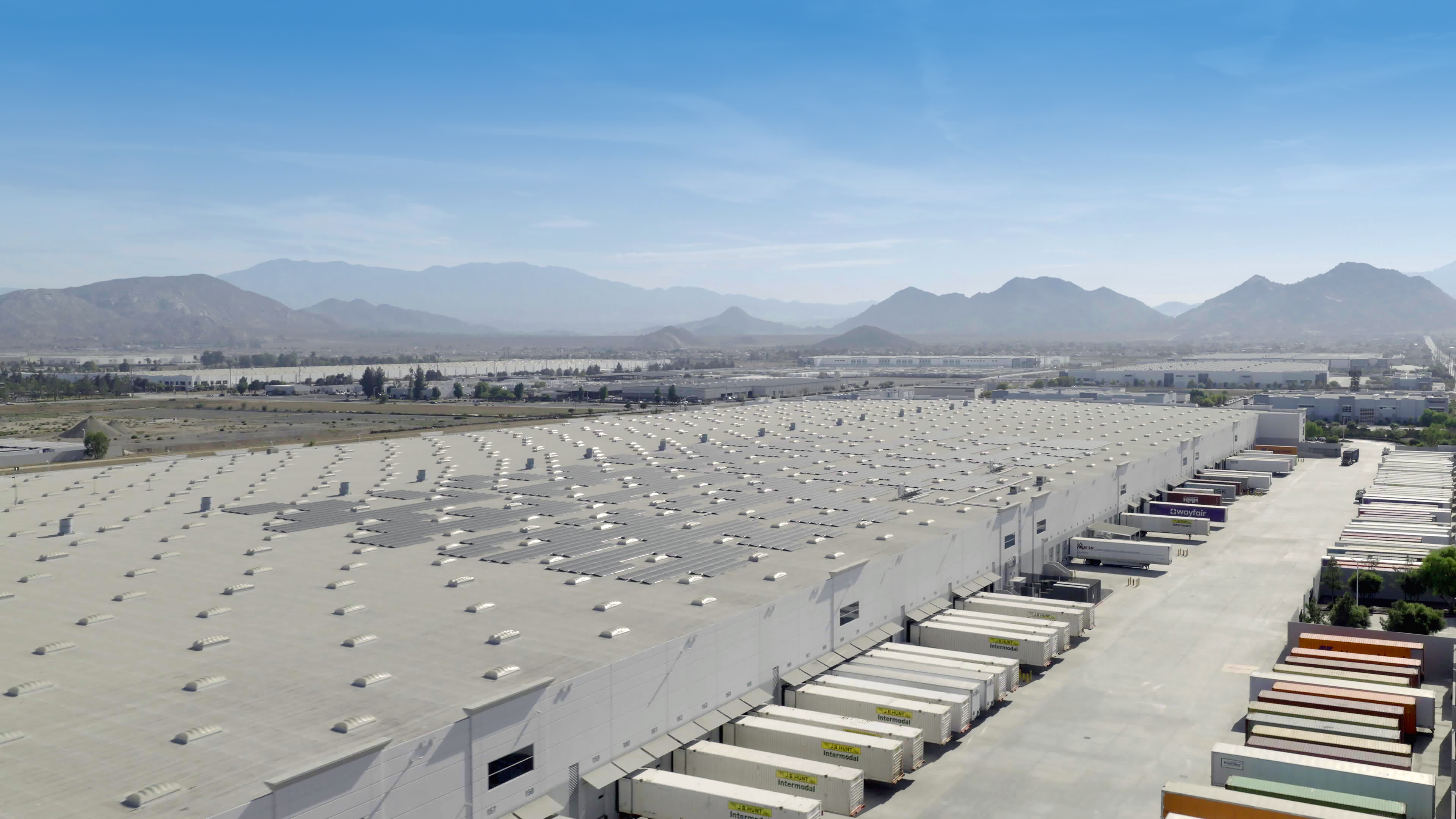
Aerial view of Wayfair's Fulfillment Center in Perris, CA

Wayfair and Prologis Partner to Power a More Resilient Supply Chain 

Published on

Introduction

Wayfair and Prologis are redefining what energy resilience looks like in logistics. Together, the companies are transforming fulfillment centers into renewable energy hubs that generate and store power onsite while reducing costs, cutting emissions and creating a more sustainable supply chain.  

As the destination for all things home, Wayfair has set an ambitious goal: to reduce its Scope 1 and 2 emissions by 63% by 2035. By partnering with Prologis Energy Solutions, the company is investing in distributed energy solutions across its logistics network.  

At fulfillment centers in Perris, California, and Romeoville, Illinois, Prologis and Wayfair are creating a blueprint for how large-scale logistics facilities can integrate renewable energy with rooftop solar and onsite battery energy storage to strengthen operational resilience and reduce dependence on the grid.

Quote Icon

Partnerships like this show what’s possible when innovation meets execution. We’re building the energy infrastructure that will power the next generation of logistics.

Kim Strickland, Global Head of Execution, Energy & Sustainability at Prologis
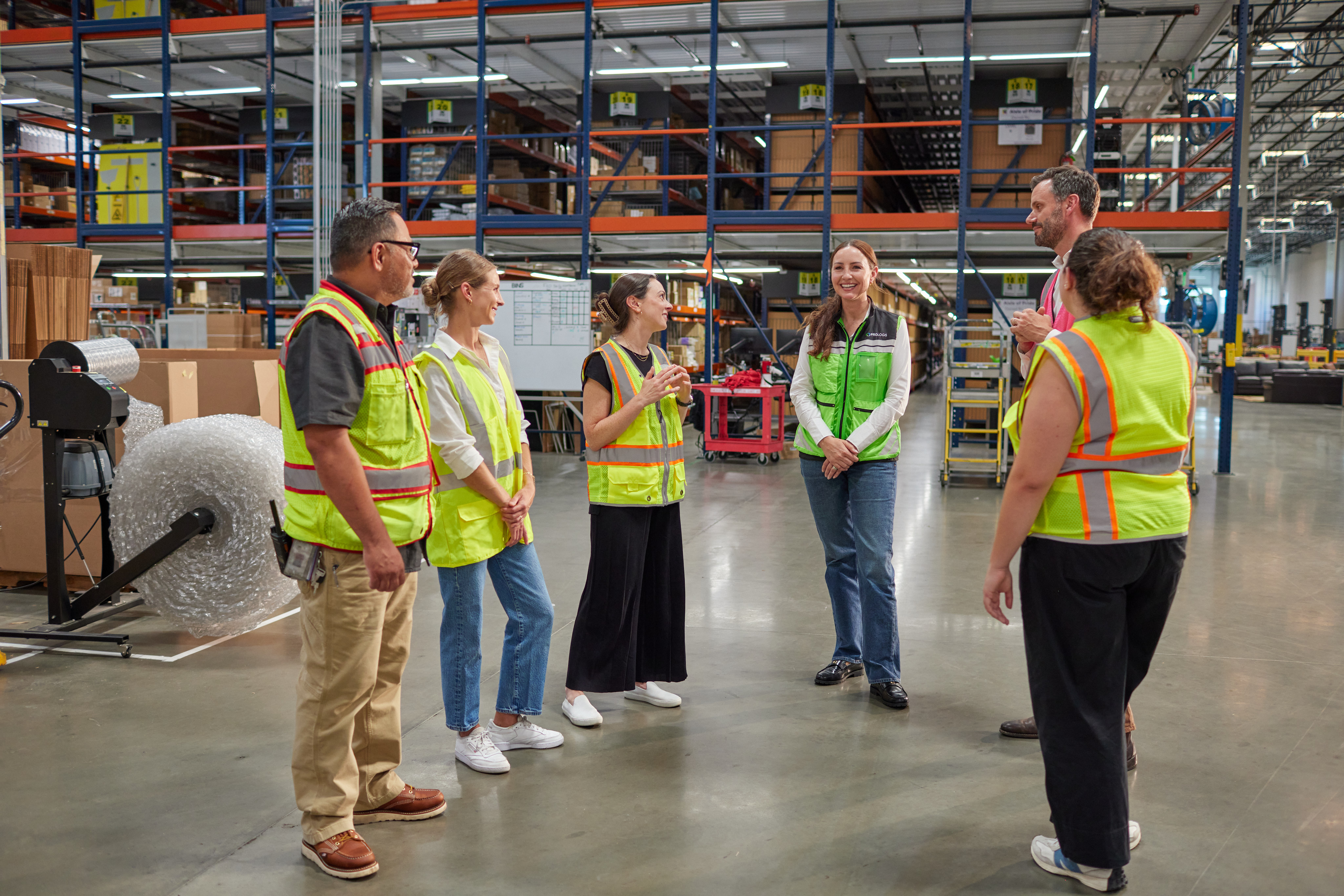
A group of people with safety vests in a warehouse

The Challenge: Cutting Emissions Without Compromising Performance  

As a global e-commerce leader in home, Wayfair manages a vast logistics network that moves thousands of products every hour. Meeting growing customer demand while reducing operational emissions posed a dual challenge: how to make its fulfillment centers more energy-efficient, cost-stable and resilient without disrupting business performance. 

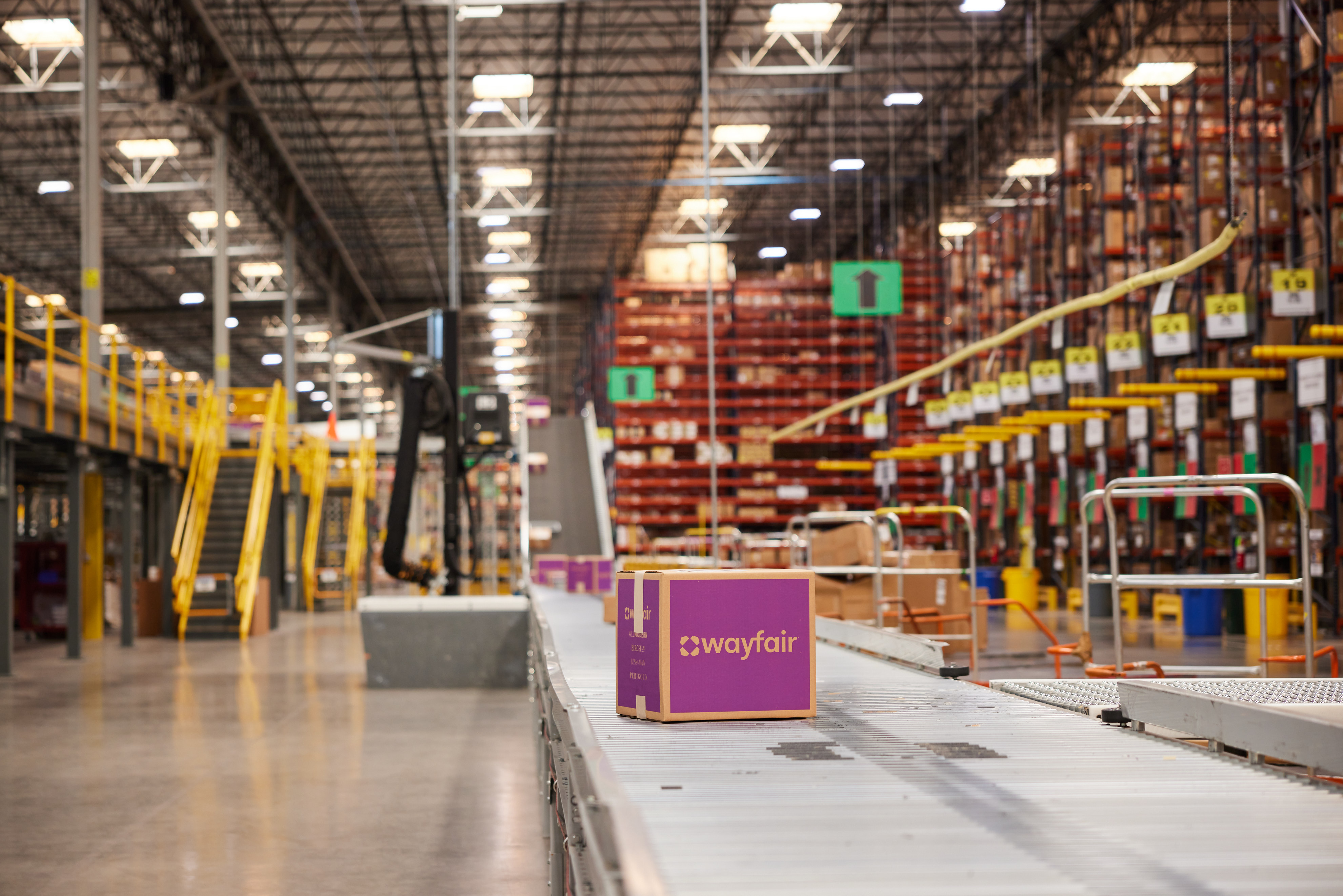
A Wayfair package on a conveyor belt in a warehouse

In 2021, Wayfair had set a bold target—a 63% reduction in Scope 1 and 2 emissions by 2035—and began building a strategy to translate that ambition into measurable results across its footprint. At the same time, grid volatility and regional energy costs were becoming a potential business risk. Wayfair needed a scalable, data-driven way to bring renewable generation and storage directly to its buildings, creating long-term savings and reducing exposure to external energy fluctuations. 

Quote Icon

Implementing solar and accounting for 80% of our electricity needs onsite [in Perris] is a really great way to drive reductions, both in our greenhouse gas emissions but also to see business benefits. 

Devin Giles, Global Head of Sustainability, Wayfair
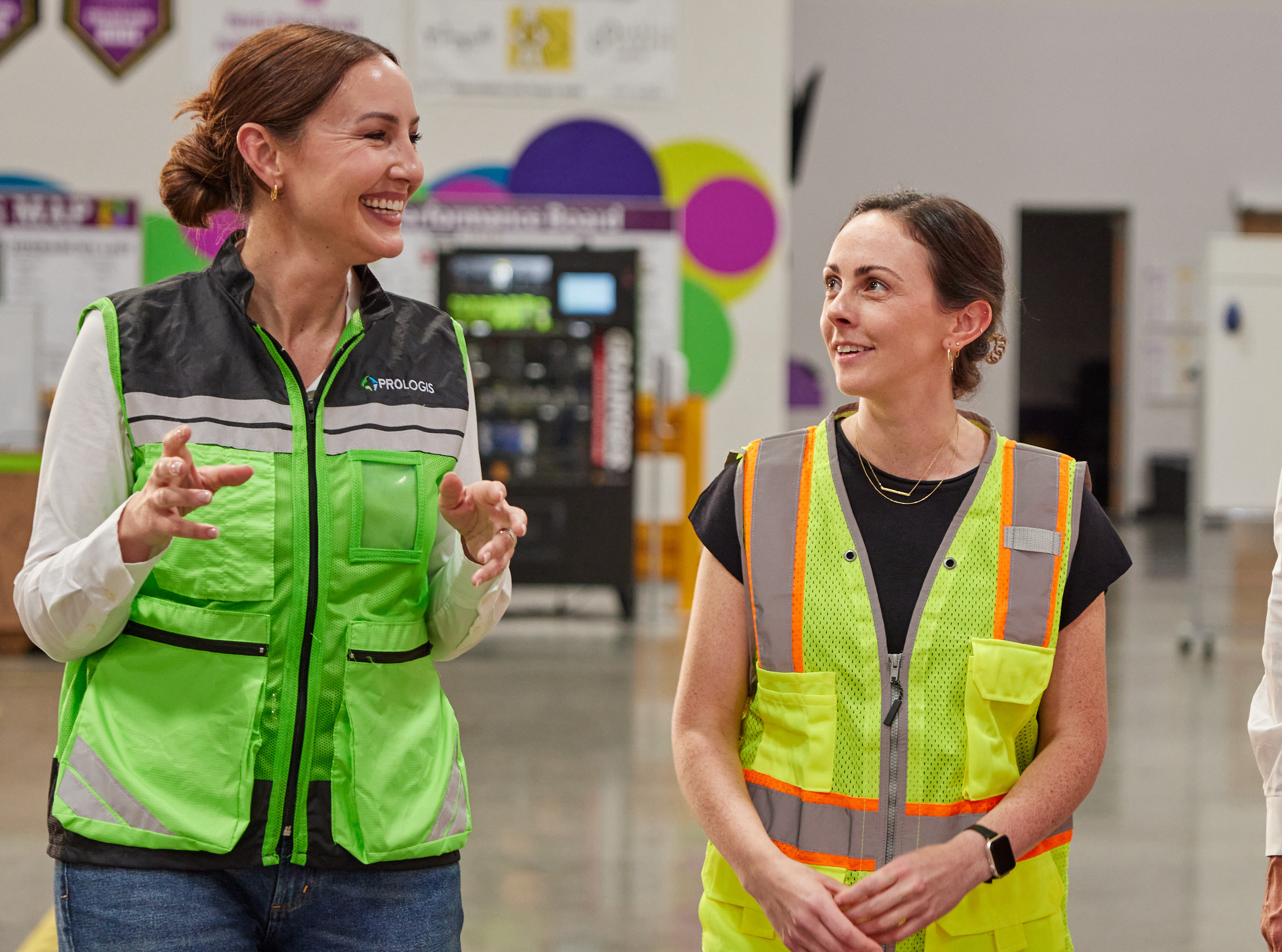
Two women in safety vests talking in a warehouse

Turning Logistics Facilities Into Energy Assets  

To turn its energy ambition into action, Wayfair partnered with Prologis Energy Solutions and Station A, a renewable energy intelligence company, to create a scalable model for onsite energy deployment. Station A used advanced analytics to evaluate Wayfair’s building portfolio and identify sites where solar and storage could deliver the strongest operational and cost benefits. Prologis Energy then transformed those insights into reality through its build-own-operate approach—designing, financing and deploying systems that now serve as reliable, grid-connected assets.  

Aerial view of a warehouse with rooftop solar

Wayfair's Fulfillment Center in Perris, CA.

By integrating onsite solar and battery systems, these projects transform traditional fulfillment centers into energy-efficient, future-ready logistics facilities. By generating power directly onsite, Wayfair reduces exposure to fluctuating grid costs while improving local energy reliability. Battery systems in Perris extend that advantage, storing solar energy for use during peak demand periods, lowering operational expenses and contributing to overall grid stability.  

The result is a repeatable framework for accelerating renewable deployment across logistics networks nationwide, supporting energy security and resilience while advancing business efficiency. 

Looking Ahead  

The energization of the Perris and Romeoville sites is just the beginning. Both teams are exploring new opportunities to expand solar and storage systems across Wayfair’s network, leveraging Prologis’s global scale and deep energy expertise.  

With projects like this, Prologis is redefining what logistics real estate can do. By integrating solar, storage and electrification into the world’s most connected logistics network Prologis is helping its customers future-proof operations and strengthen their energy independence, transforming buildings from energy consumers into energy assets.