An aerial view of battery storage

When Texas Froze, Our Batteries Delivered

Published on

Summary

  • Prologis Energy Solutions operates 10 battery storage sites across Texas. During the winter storm of January 24–26, 2026, six of those sites (totaling 60 MW and approximately 100 MWh of capacity) were activated and dispatched as ERCOT worked to keep the grid stable and homes and businesses powered.
  • Our teams held energy in reserve through the early days of the storm so we could discharge it when the need was greatest, a decision that required real-time judgment and cross-functional coordination.
  • One asset came online just days before the storm. Despite still being in its testing phase, our teams worked quickly to enable it to participate. It performed.

When temperatures drop, electricity demand surges within hours. Power plants and fuel systems come under stress. Because Texas runs on its own independent grid, ERCOT can’t lean on neighboring states for help. It has to balance the system from within.

During the January storm, temperatures fell into the teens across Dallas, Houston and much of the state. Grid demand climbed to roughly 20 gigawatts above normal winter levels. Our battery energy storage systems were ready.

Grid-Scale Storage Built for Moments Like This

Prologis operates 10 battery storage sites across Texas, with a combined portfolio of 100 MW. These assets were developed to participate in ERCOT’s wholesale electricity market alongside utility and grid partners. They don’t directly power individual Prologis buildings or tenants. They act as fast-responding power reserves, injecting electricity into the grid within seconds when supply is constrained. During the January storm, six of those sites, representing approximately 60 MW and 100 MWh of capacity, were activated to support the grid.

Our storage sites are located in some of the most populous and energy-constrained parts of the state: in and around Dallas, Houston, the Rio Grande Valley and Midland. Several of the sites are built on land adjacent to our logistics facilities, parcels that might otherwise have gone unused. Today that land is active energy infrastructure serving the communities where we operate. And through our partnerships with ERCOT and other utilities, we’ve become a recognized and trusted partner providing grid reliability.

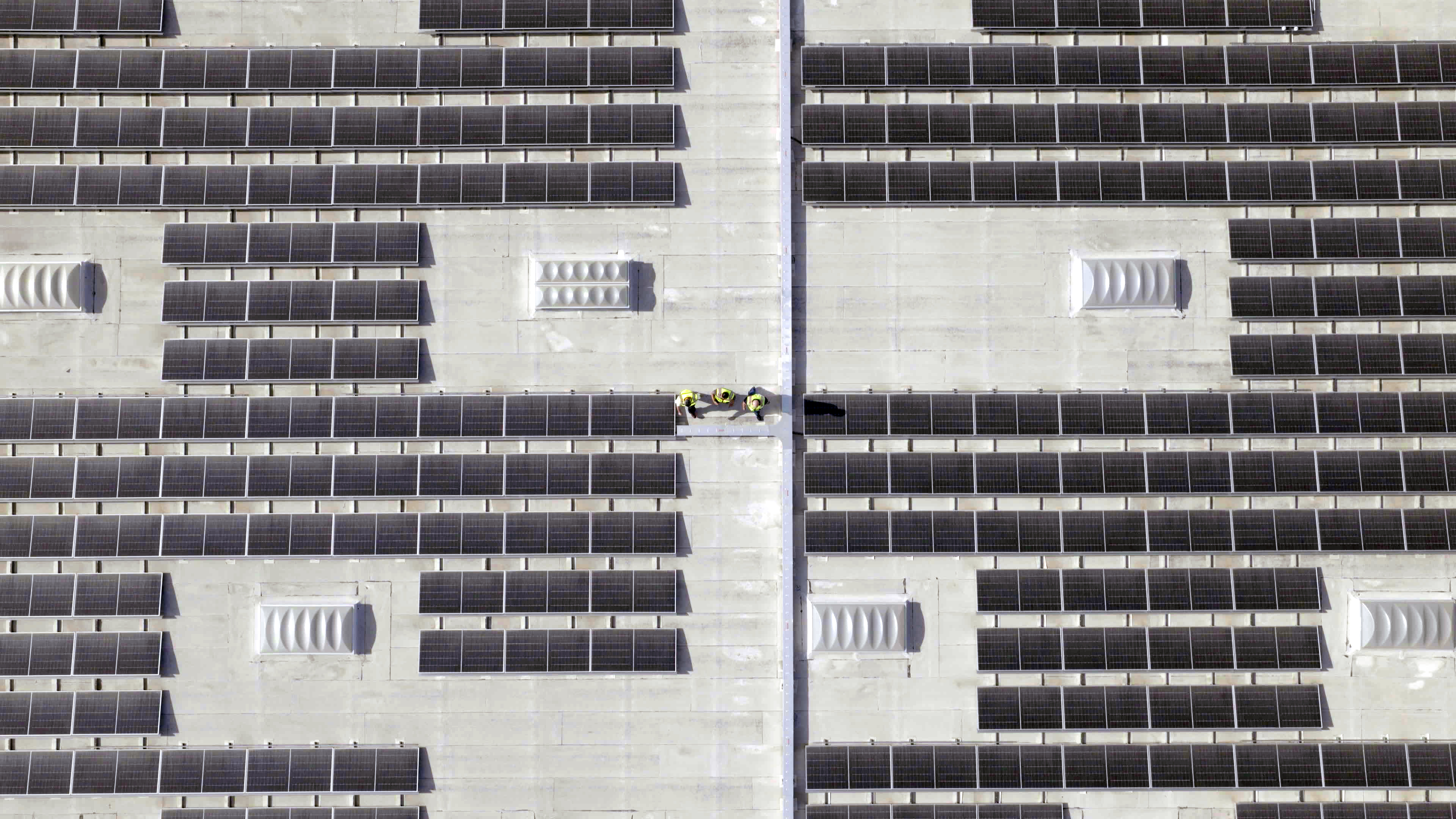
A group of people in safety vests examine grid power storage

Preparation Before the First Freeze

Our Energy Markets and Asset Management teams began coordinating with grid operators days ahead of January 24 as the storm approached. They confirmed every system was fully operational, aligned on a dispatch strategy and established a clear response protocol with our operating partners.

The strategy was deliberate: Charge the batteries before the storm, then hold. Rather than discharging early into moderate conditions, the team kept energy in reserve and waited for any moment when the grid was under the most stress. Weekend check-ins and on-call protocols kept everyone aligned as the storm developed.

Dispatching When It Counted

By the third day of the storm, ERCOT’s grid was operating under significant stress. Temperatures remained in the teens across much of the state. Heating systems ran at full capacity around the clock. Homes and businesses across Texas faced the real risk of blackouts and brownouts. Our team had been preparing to help out in a situation like this one.

Our six active sites were discharged during the most constrained hours of the day, putting power back on the grid when the system needed it most. Then they recharged overnight as demand eased, so the team could be ready for the next peak in demand. This cycle repeated across all three days of the storm, with our batteries responding in concert with ERCOT’s grid management to help keep the system balanced.

Asset availability across the six sites held at 99.6% throughout, well above the 95% industry benchmark. One site had reached commercial operation just days before the storm and was still in its testing phase. Cross-functional teams moved quickly to enable it to participate anyway. It performed.

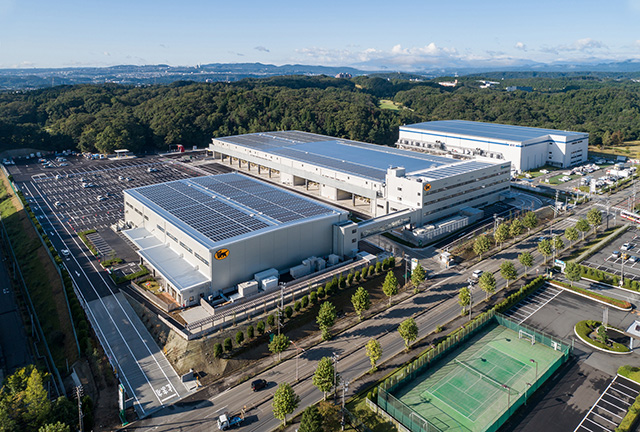
Battery storage site

What This Shows About Prologis Energy Solutions

This wasn’t a test run. It was a live event on a constrained grid, and our systems and teams performed. That matters because peak demand in Texas is expected to roughly double over the next four years. Battery storage will play a key role in meeting that growth reliably.

A more stable grid benefits communities and businesses operating in Texas. As we continue to expand energy infrastructure across the globe, events like this one show what it means to put capital to work on the ground and have it perform when it counts.