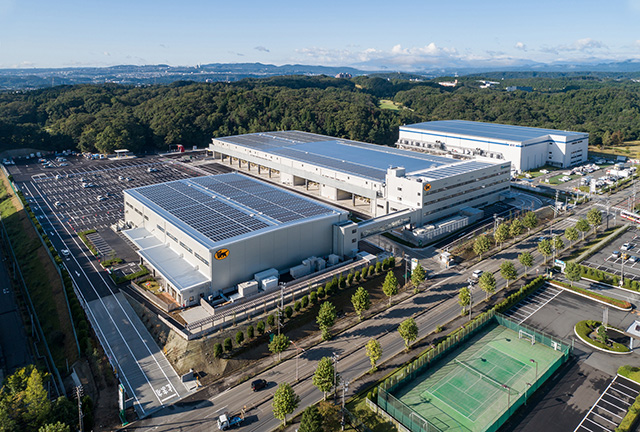
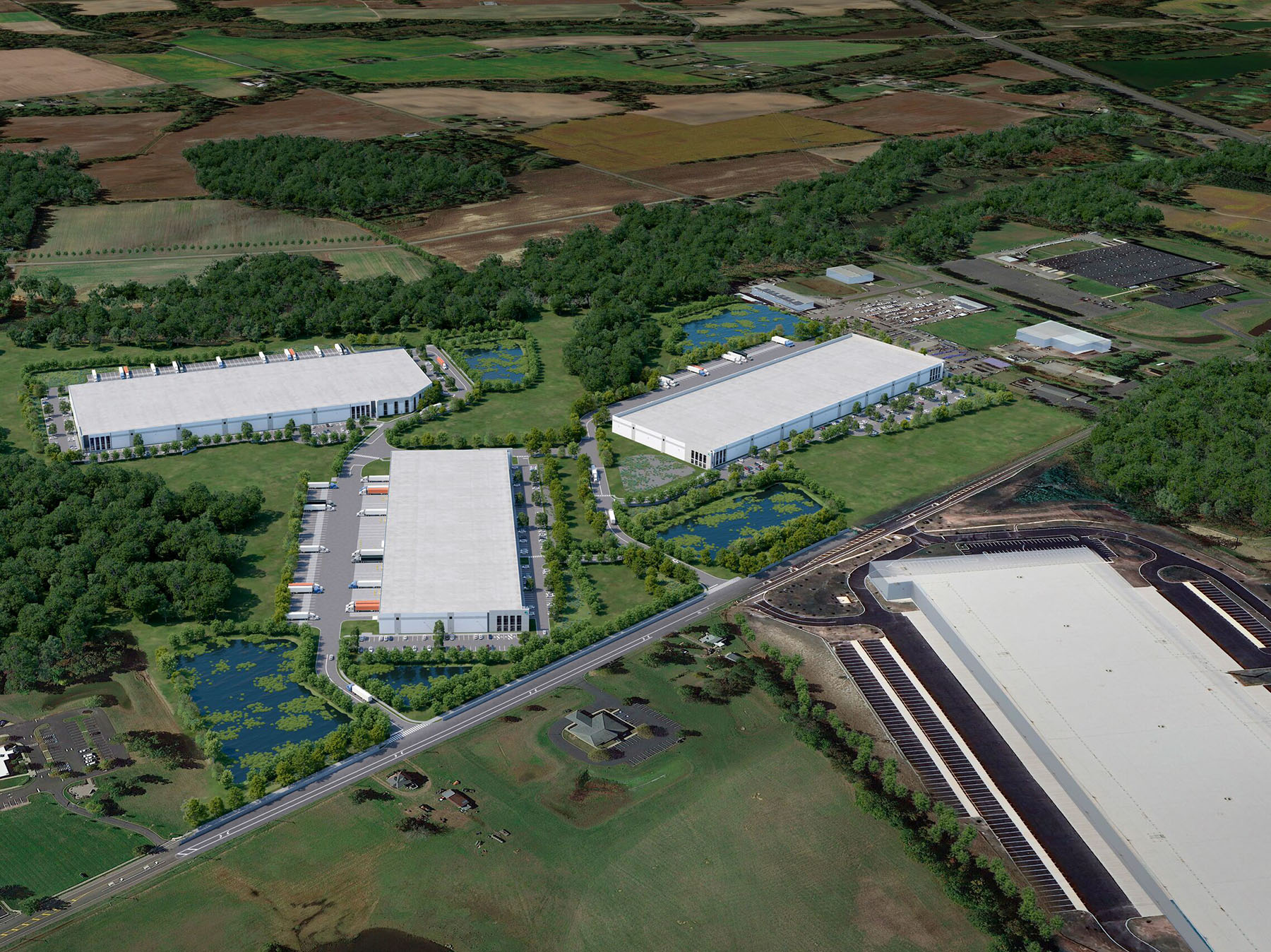
Aerial view of Prologis East Greenwich

Logistics Real Estate Demand Turns a Corner

Published on

Key Messages

  • Demand for logistics real estate hit an inflection period, with net absorption, new lease signings, build-to-suit activity and the proposal pipeline all at healthier levels in Q3 compared to the 2024 average.1 The direction of demand has improved, but has not yet normalized.
  • The IBI Activity Index cooled to 53 in Q3 and into October,2 as supply chain activity peaked early in 2025 due to trade volatility. Recovery remains nonlinear, with large and e-commerce companies leading growth and other segments expected to follow.
  • The utilization rate rose through Q3, averaging 84% and rising to nearly 85% in October,2 as inventories made their way through supply chains and customers filled up existing capacity. Customers continue to practice “just enough” inventory strategies, maintaining lower average utilization than what’s traditionally considered expansionary. Any upside surprise to consumption could produce a strong supply chain response.
  • Scarcity is emerging in certain markets and size categories, while groundbreakings of new speculative logistics buildings remained well below pre-pandemic levels through Q3.2

Customer demand has improved despite the variable macro picture. The Prologis IBI Activity Index decreased to the 53 range in Q3, with October coming in at 52.8, as supply chain activity was pulled forward in 2025 and holiday spending year-to-date remains muted at 3.6% year-over-year, with a large portion of growth driven by inflation compared to 2024.3 Space utilization was 84.7% in October, rising incrementally after contracting in Q3, though it remains roughly 100 bps decline from Q2.2 

Utilization readings by company type illustrate supply chain strategies that are a reaction to changing trade policy: Manufacturers and wholesalers, having front-loaded freight earlier in the year, recorded higher activity and utilization than retailers through October. Looking ahead, we expect trends to reverse as goods make their way downstream ahead of the holiday season.

Net absorption of 47 million square feet in Q3, up 64% q/q although behind the normal pace of 59 MSF,1 marked a turning point in logistics real estate demand. Improved new lease signings, up an average of 10% in Q2 and Q3 versus Q1 2025, reflect customers returning to long-term leasing strategies.4 With proposal volumes still high, this dynamic supports continued healthy absorption into 2026. Customer sentiment and a reacceleration in decision-making underscore a behavioral shift toward “looking through the noise” on trade and refocusing on growth and structural supply chain reconfiguration.

  • Larger customers are leading this shift, reprioritizing network optimization strategies after a period of caution. Historically, smaller and midsize companies have followed similar behavioral patterns with a lag through the cycle.
  • Customer activity has been strongest in sectors tied to essential goods. Food and beverage, e-commerce and healthcare companies continue to drive leasing volume. In contrast, categories linked to discretionary spending remain subdued, potentially leading to pent-up demand to be released when interest rates are lower and the economic outlook is more clearly positive. 

Vacancy is expected to remain at or near the mid-7% range through the near term,1 reflecting a stabilizing market environment. The construction pipeline continues to shrink, as new development starts remain below the 2017–2019 average.1 This decline underscores heightened discipline among developers in response to changing demand, as well as the impact of a more challenging development environment, including compressing margins, a shortage of well-located land with adequate infrastructure and growing regulatory barriers. 

A widened spread between replacement-cost rents and market rents (~ 20% in aggregate across the U.S.)2 discourages speculative development, especially in higher-cost markets, reinforcing a more measured pace of speculative deliveries through the near term. In addition, some industrial customers are opting for built-to-suit facilities to meet specific needs, illustrating the shift toward longer-term planning as well as increasing scarcity for some categories of modern logistics facilities. 

The final dynamic at play is a desire to secure space ahead of rising costs. While market rent declines moderated to approximately -1% in Q3,2 evidence is mounting that most markets are approaching the trough of the current rent cycle. As vacancies trend toward normal expansionary averages in supply-constrained markets, rents will need to rise to incentivize new construction and bring on much-needed newer product.
 

Conclusion

Logistics real estate fundamentals in Q3 point to an inflection period in operating conditions. The demand outlook has clearly become more constructive, with customers increasingly advancing strategic leasing decisions. As in a typical real estate cycle, these actions reflect growing confidence and a reassessment of network priorities by the most well-resourced and resilient customers. As a broadening group of customers move from a period of caution to action, increasing demand will be met with fewer speculative deliveries, introducing scarcity to a growing number of segments and reinforcing the importance of planning ahead for space requirements.

Endnotes

1. CBRE, JLL, Cushman & Wakefield, Colliers, CoStar, CBRE-EA, Prologis Research.
2. Prologis Research.
3. Mastercard SpendingPulse Survey September 2025.
4. CBRE Research, new leasing for all US markets.

Forward-Looking Statements

This material should not be construed as an offer to sell or the solicitation of an offer to buy any security. We are not soliciting any action based on this material. It is for the general information of customers of Prologis.

This report is based, in part, on public information that we consider reliable, but we do not represent that it is accurate or complete, and it should not be relied on as such. No representation is given with respect to the accuracy or completeness of the information herein. Opinions expressed are our current opinions as of the date appearing on this report only. Prologis disclaims any and all liability relating to this report, including, without limitation, any express or implied representations or warranties for statements or errors contained in, or omissions from, this report.

Any estimates, projections or predictions given in this report are intended to be forward-looking statements. Although we believe that the expectations in such forward-looking statements are reasonable, we can give no assurance that any forward-looking statements will prove to be correct. Such estimates are subject to actual known and unknown risks, uncertainties and other factors that could cause actual results to differ materially from those projected. These forward-looking statements speak only as of the date of this report. We expressly disclaim any obligation or undertaking to update or revise any forward-looking statement contained herein to reflect any change in our expectations or any change in circumstances upon which such statement is based.

No part of this material may be (i) copied, photocopied or duplicated in any form by any means or (ii) redistributed without the prior written consent of Prologis.

About Prologis Research

Prologis’ Research department studies fundamental and investment trends and Prologis’ customers’ needs to assist in identifying opportunities and avoiding risk across four continents. The team contributes to investment decisions and long-term strategic initiatives, in addition to publishing white papers and other research reports. Prologis publishes research on the market dynamics impacting Prologis’ customers’ businesses, including global supply chain issues and developments in the logistics and real estate industries. Prologis’ dedicated research team works collaboratively with all company departments to help guide Prologis’ market entry, expansion, acquisition and development strategies.

About Prologis

Prologis, Inc. is the global leader in logistics real estate with a focus on high-barrier, high-growth markets.  As of December 31, 2024, the company owned or had investments in, on a wholly-owned basis or through co-investment ventures, properties and development projects expected to total approximately 1.3 billion square feet (120 million square meters) in 20 countries. Prologis leases modern logistics facilities to a diverse base of approximately 6,500 customers principally across two major categories: business-to-business and retail/online fulfillment.