
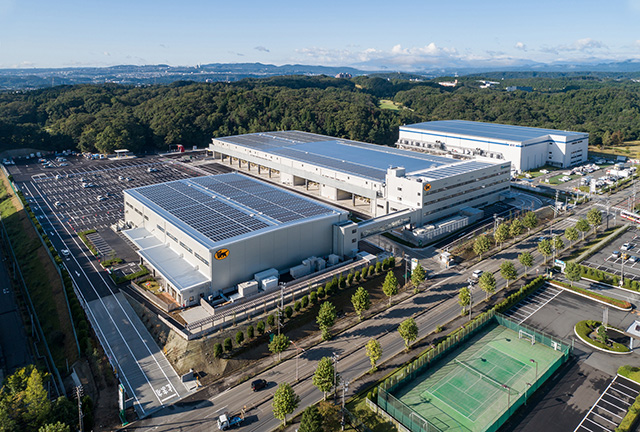
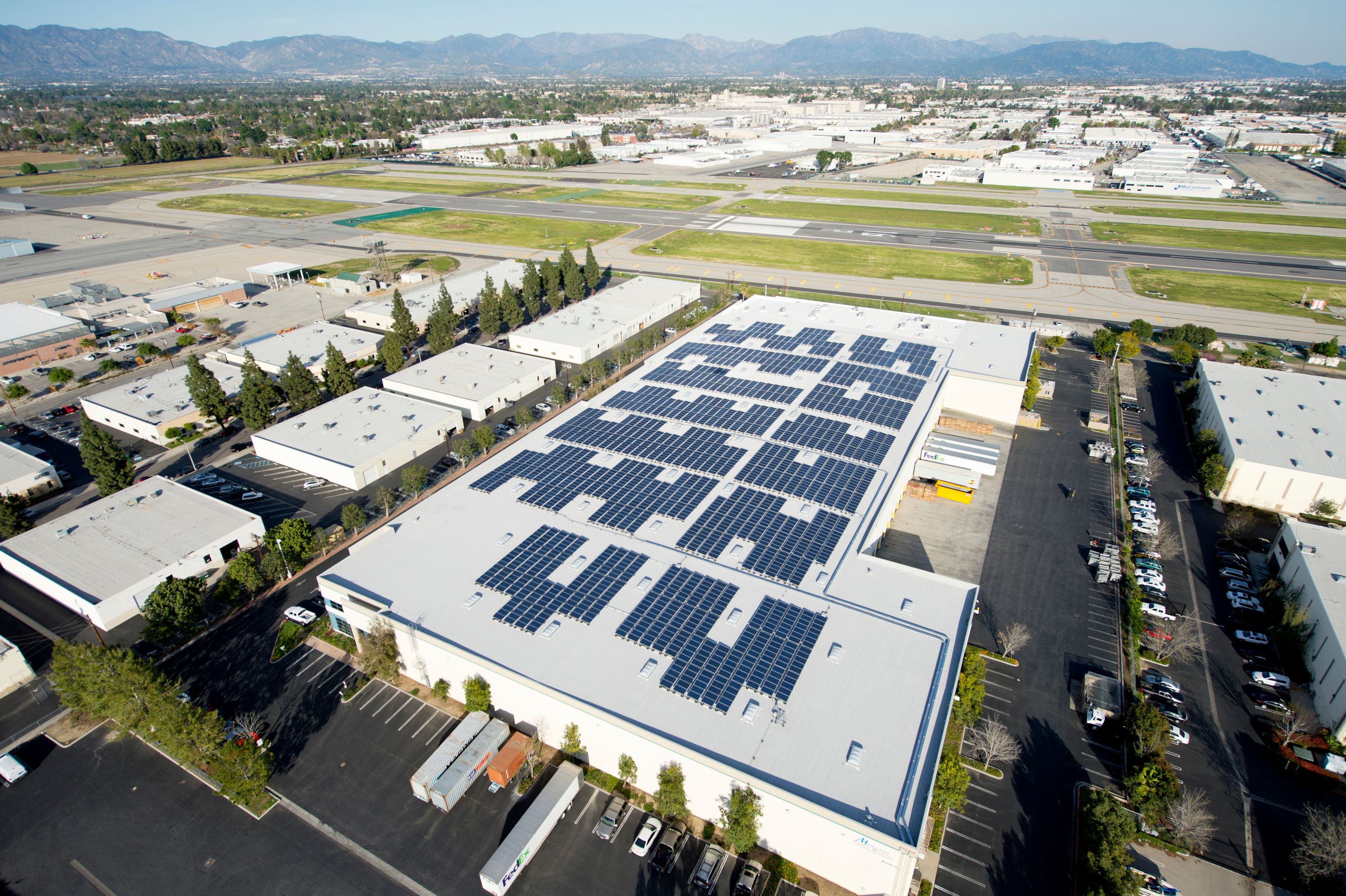
Solar panels on the roof of Prologis Van Nuys Distribution Center 3 in Van Nuys California. Surrounding mountains in the distance

Solar Coming to a Warehouse Near You

Published on · 2 min read
Content Above Blog Author

Solar-Powered Warehouses Are Preferred by Many Companies

Warehouses and distribution centers typically consume large amounts of electricity in the course of day-to-day operations.

The U.S. Energy Information Administration estimates that warehouses in the United States spend an average of $0.70 per square foot on energy, with half of that amount going directly to electricity.

To put it into perspective, approximately 15 percent of a warehouse’s total operating budget goes toward energy costs. Given the energy use in these buildings—as well as the importance of achieving environmental, social and governance (ESG) objectives for many tenants—there is growing interest to meet electricity demand with clean, renewable energy.
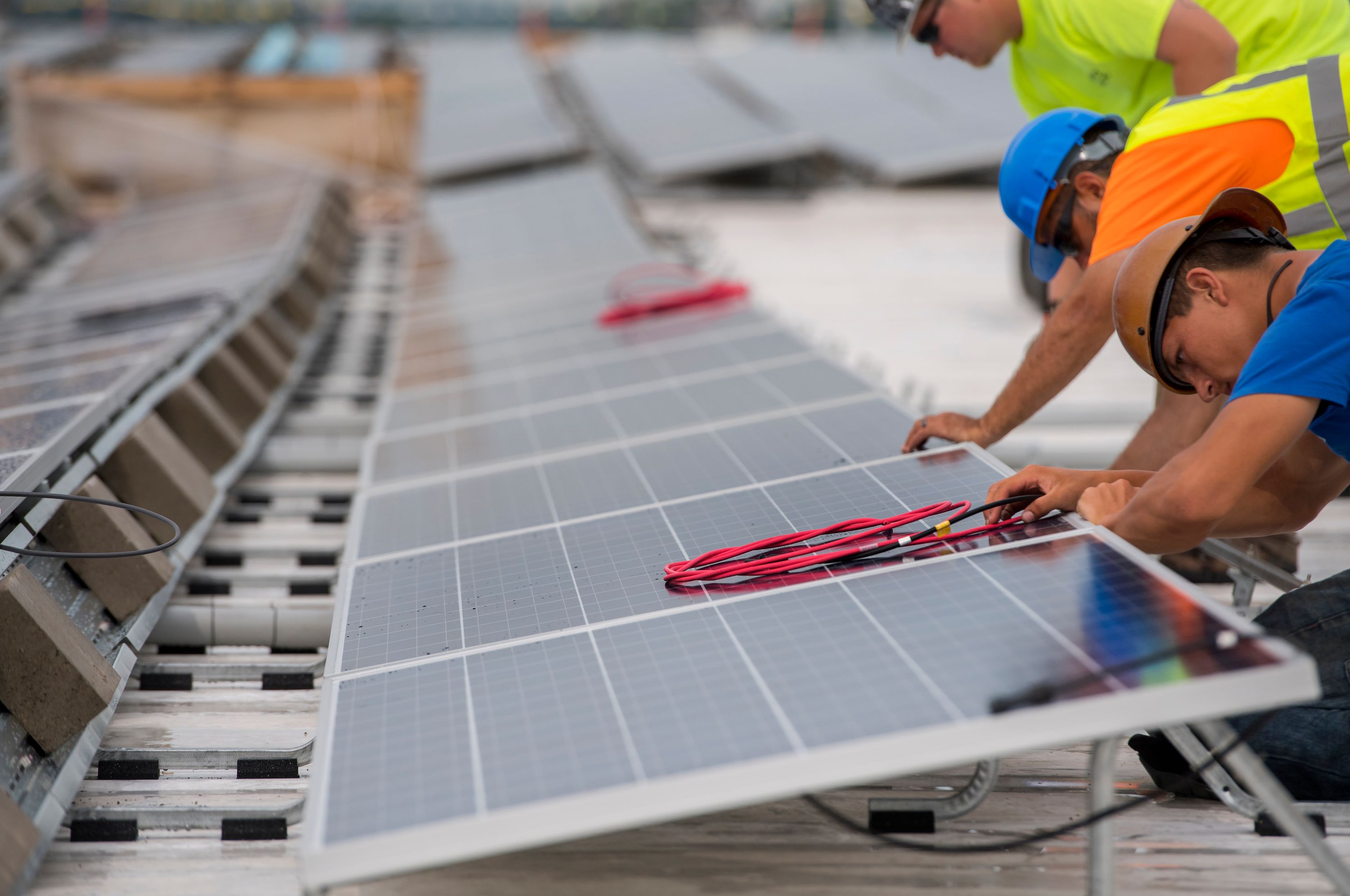

Up close of workers with hard hats installing solar panels on a warehouse rooftop at Prologis Park iPort 2 in Carteret, New Jersey

What Is a Solar-Powered Warehouse?

The only difference between a traditional warehouse and a solar-powered warehouse is how the facility gets electricity. The electric grid supplies power to a traditional warehouse, but a solar-powered warehouse usually has both solar and grid-connected electrical systems in place. The solar helps offset or, in some cases, completely replace the energy drawn from the grid.

Solar-powered warehouses are becoming more common in the United States, partly because of efforts spearheaded by such companies as Prologis and retail giants Target, Walmart, Amazon, Apple, Costco, Ikea and others.

How Solar Power Cuts Costs

The debate has long been whether solar power is a more cost-effective energy to power a facility as large as a warehouse or distribution center. The answer is that solar can cut energy costs significantly, given the right government and utility policies, electricity rates and amount of sunshine.

According to the U.S. Energy Information Administration, the cost to produce 1 megawatt-hour of electricity from coal was $102 in 2018. Producing the same amount of electricity using solar power cuts the cost in half to only $50. When looked at on an industrial scale, solar power can cut the energy costs of a warehouse by more than half.

Operating a More Sustainable Warehouse

There’s also money to be made in solar. Most warehouses have flat roofs, which are excellent for solar panel installations and can provide the owner an opportunity to partner with a solar company. In a partnership, a solar company pays rent to install their panels on the warehouse’s roof. Renting out every inch of usable space maximizes warehouse revenues.

Solar-powered warehouses offer multiple benefits worth consideration. Read more about Prologis’ solar program and the benefits of a solar-powered warehouse on the Environmental Stewardship page of the Prologis 2018 ESG Impact Report.

Susan Uthayakumar

Susan Uthayakumar

Position
Chief Energy & Sustainability Officer

Susan Uthayakumar leads Prologis’ Energy Solutions business, overseeing the development and deployment of solutions that help customers achieve energy independence through distributed energy resources, fleet electrification and strategic energy management. Prior to joining Prologis, Uthayakumar held various leadership positions at Schneider Electric, most recently serving as president of the Global Sustainability Business Division, where she was responsible for advancing decarbonization and energy management solutions for global customers.