Strategies for Workforce Optimization
Assess current and future staffing needs: Understanding your staffing needs involves a thorough assessment of current workforce capabilities and future requirements, which can be achieved through:
- Demand forecasting: Use historical order data and predictive analytics to anticipate the ebbs and flows of your business.
- Skill analysis: Evaluate the skills required for different roles and identify gaps in your current workforce.
- Workflow analysis: Analyze how goods move through your facility to identify areas where labor can be optimized.
Access flexible warehouse staffing solutions: Flexible warehouse staffing solutions— such as part-time, temporary and seasonal workers—can help address fluctuating labor needs. Platforms that provide on-demand access to a pool of vetted workers can be invaluable during peak periods.
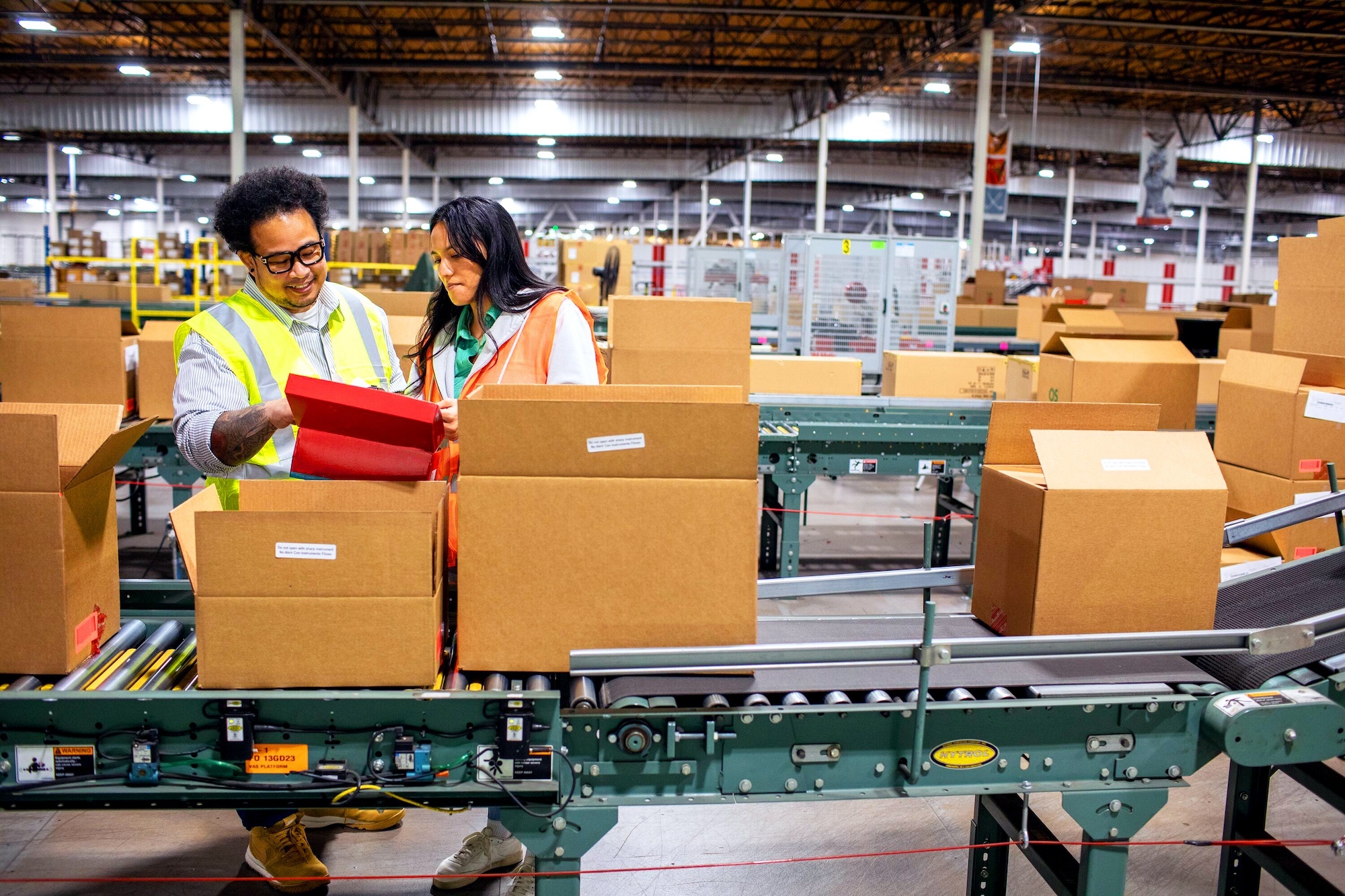
Cross-train employees: Cross-training your workforce to perform multiple roles can create a more adaptable workforce, which helps cover absences, enhance job satisfaction and reduce turnover. An adaptable workforce can shift between tasks, improving operational resilience when shorthanded.
Integrate technology and automation: Augmenting a workforce with technology can enhance productivity significantly and mitigate labor shortages. Automation can also enhance labor productivity. Some effective technologies include:
- Autonomous mobile robots (AMRs): AMRs navigate warehouses independently to transport goods, reducing the need for manual labor in repetitive tasks, such as picking, sorting and moving inventory.
- Labor Management Systems (LMS) and Warehouse Management System (WMS) Integration: Integrating LMS with WMS allows for real-time tracking of inventory and labor, streamlining workflows and reducing errors. This cohesive management approach enhances workforce utilization, enabling faster order fulfillment and more efficient, cost-effective warehouse operations.
Prepare for the Future of Your Warehouse Labor Needs
As the industry continues to face a surge in demand that coincides with labor shortages, strategic labor planning can ensure efficiency and resilience. By assessing current and future staffing needs, implementing flexible warehouse staffing solutions, cross-training employees, and integrating technology and automation, warehouse operators can navigate labor challenges, maintain operations, reduce costs and meet the evolving demands of the logistics industry.