Secondary menu

  • Customer Login
  • Investor Relations
  • Contact Us
Home Prologis
  • Real Estate
    Available Property Search
    Search Properties Near You
    • Column 1
      • Browse Properties by Region
        • Americas
        • Europe
        • Asia
    • Column 2
      • Real Estate Operations
        • Simplified Leasing
      • Development and Acquisitions
        • Build-to-Suit
        • Data Centers
        • Speculative Development
        • Sustainable Development
  • Essentials Solutions
    • Column 1
      • The Essentials Platform
      • Operations
        • Warehouse Consulting & Strategy
        • Move-In & Move-Out
        • Material Handling Equipment & Storage
        • Infrastructure
        • Automation & Robotics
        • Software & Technology
        • Security
        • Transportation
        • Workplace & Productivity
    • Column 2
      • OnDemand
        • OnDemand Power
        • Fleet Electrification
        • Workplace Charging
        • Hubs
      • Energy & Sustainability
        • Grid-Scale Energy Storage
        • Commercial and Industrial
        • Community Solar
      • Workforce
        • Instawork
  • Insights and News
    • Insights and News
      • Research
      • Blog
      • Industry Trends
      • Success Stories
    • GROUNDBREAKERS™
      • Magazine
      • Moving the World Podcast
  • Impact
    • Impact & Sustainability
      • Economic Impact
      • Sustainability
      • Social Impact
    • Governance
    • Additional Resources
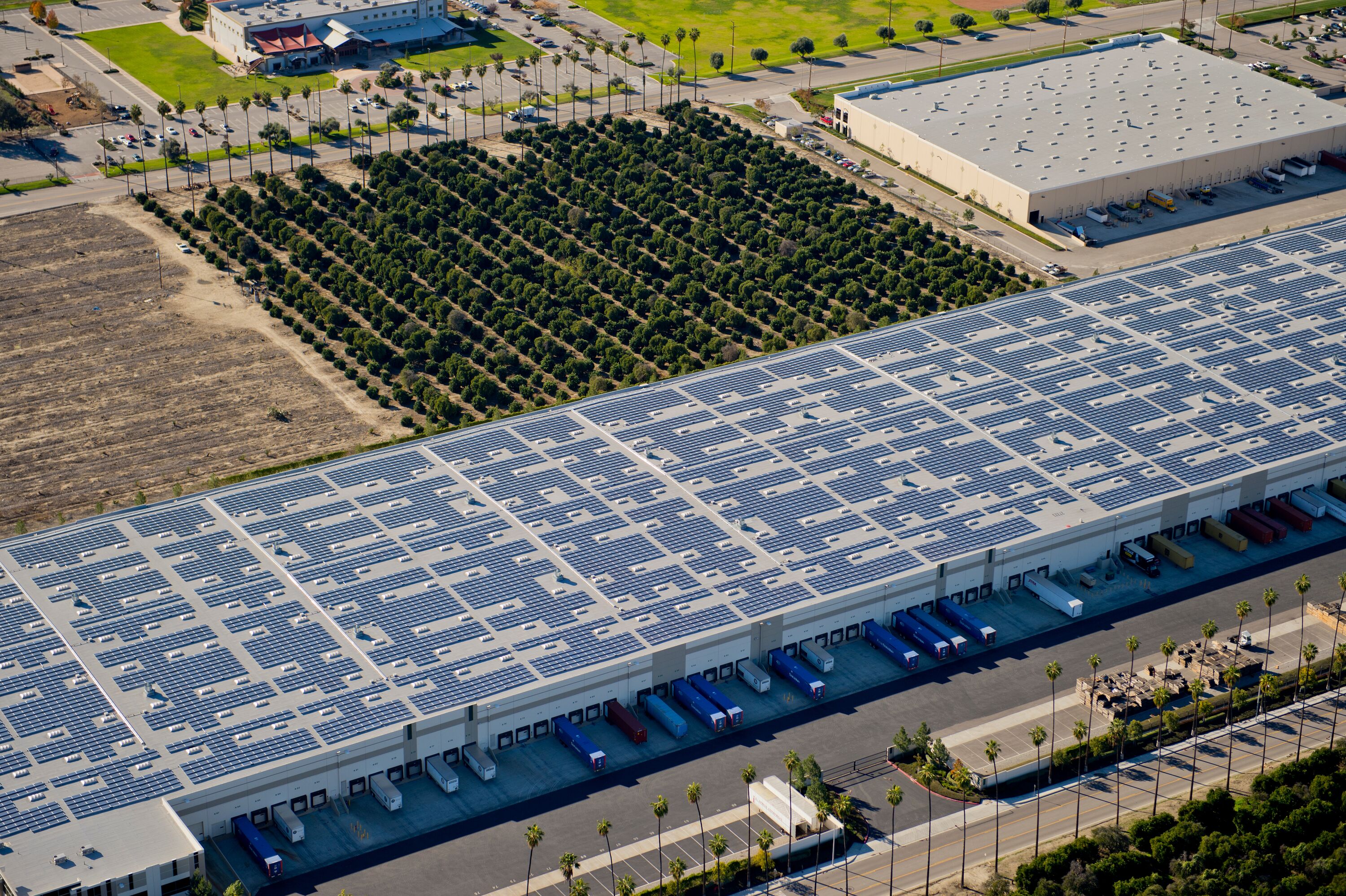
    Warehouse roof showing solar panels

    2025-26 Report

  • About
    • Column 1
      • About Us
        • Leadership and Board of Directors
      • Careers With Us
        • Culture and Talent
        • Open Positions
      • Investors
        • Strategic Capital
        • Investor Relations Site
    • Column 2
      • Prologis Ventures
      • News & Press Releases
        • Media Center
        • Awards
You are currently on the Prologis global website
  • Global
    • www.prologis.com
      • en
  • Americas
    • Brazil
      • pt
      • en
    • Canada
      • en
    • Mexico
      • es
      • en
    • USA
      • en
  • Asia
    • China
      • zh
      • en
    • India
    • Japan
      • jp
    • Singapore
      • en
  • Europe
    • Belgium
      • nl
      • fr
      • en
    • Czech Republic
      • cs
      • en
    • France
      • fr
      • en
    • Germany
      • de
      • en
    • Hungary
      • hu
      • en
    • Italy
      • it
      • en
    • Netherlands
      • nl
      • en
    • Poland
      • pl
      • en
    • Slovakia
      • sk
      • en
    • Spain
      • es
      • en
    • Sweden
      • se
      • en
    • UK
      • en
View Prologis Office Locations

Secondary menu

  • Customer Login
  • Investor Relations
  • Contact Us
Search Properties Near You
Global websites You are currently on the Prologis global website
  • Global
    • www.prologis.com
      • en
  • Americas
    • Brazil
      • pt
      • en
    • Canada
      • en
    • Mexico
      • es
      • en
    • USA
      • en
  • Asia
    • China
      • zh
      • en
    • India
      • en
    • Japan
      • jp
    • Singapore
      • en
  • Europe
    • Belgium
      • nl
      • fr
      • en
    • Czech Republic
      • cs
      • en
    • France
      • fr
      • en
    • Germany
      • de
      • en
    • Hungary
      • hu
      • en
    • Italy
      • it
      • en
    • Netherlands
      • nl
      • en
    • Poland
      • pl
      • en
    • Slovakia
      • sk
      • en
    • Spain
      • es
      • en
    • Sweden
      • se
      • en
    • UK
      • en
View Prologis Office Locations

Breadcrumb

  1. Home
  2. Insights and News
  3. OnPrem Power: How Onsite Energy is Rewriting the Rules of Growth
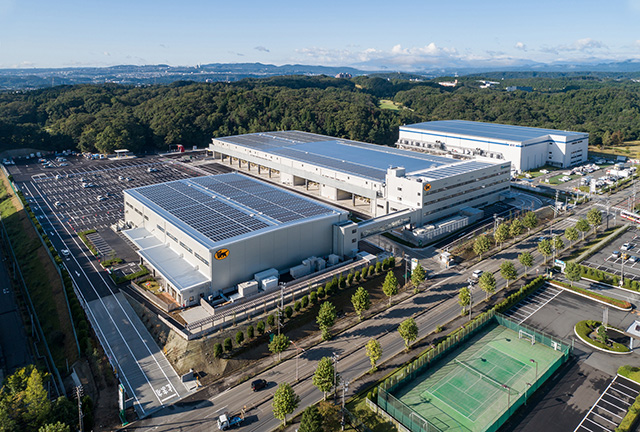
Exterior view of a warehouse with battery storage

Energy + Sustainability

OnPrem Power: How Onsite Energy is Rewriting the Rules of Growth

Published on July 23, 2026
  • Copy Link
    Copied!
  • X
  • LinkedIn

Summary

Energy used to be a given. Today it is a site-selection factor, as critical as location, infrastructure or proximity to labor. Across logistics, warehousing and digital infrastructure, the question of whether a facility can get the power it needs is shaping where development happens and where it stalls.  

But the question is no longer just about access. Increasingly, it’s about timing. On-premises power generation, like Prologis OnPrem Power, changes that equation. 

What is OnPrem Power and how does it work?

OnPrem Power is energy generated at or near a facility rather than drawn entirely from the grid. It includes gas generation, fuel cells, onsite energy storage and microgrid or hybrid systems, each configured for the reliability, speed and scale that grid timelines can’t always deliver.  

This is not a bridge technology. It’s becoming a baseline requirement.

U.S. electricity demand is expected to grow 25 percent by 2030 and nearly 80 percent by 2050, according to consulting firm ICF. The drivers are everywhere, and they are converging: electrification of transportation fleets, expansion of security and information systems, automation and robotics within buildings and increasing demand from digital infrastructure.  

These aren’t separate forces, however. They’re a compounding force acting on an economy that is increasingly being fueled by electrons rather than molecules from fossil fuels and doing so at a scale the grid was never designed to absorb. 

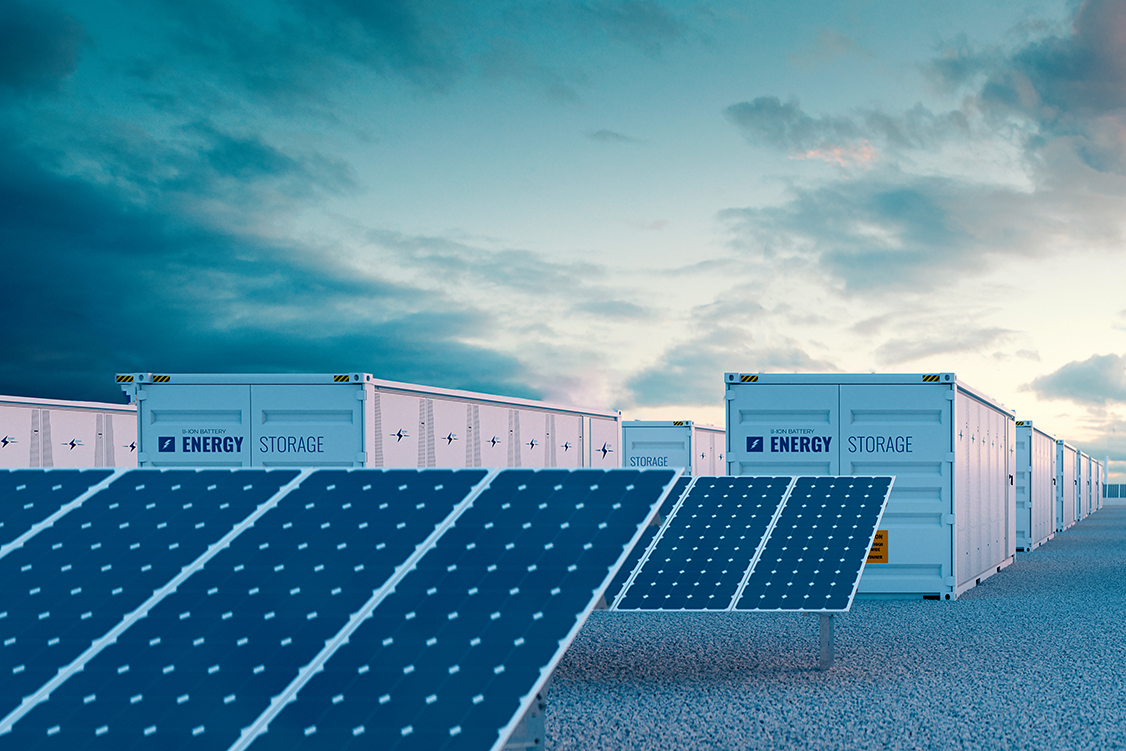
Exterior view of battery storage outside of a warehouse

Why is energy demand outpacing grid capacity in the U.S.?

By any measure, the U.S. electricity grid remains a remarkable achievement, and utilities are actively working to expand and modernize it. But much of the grid’s core architecture is now 80 years old, and rather than one unified system, the U.S. operates three separate grids that don’t always integrate effectively with one another. All were designed for a world where energy demand grew slowly and predictably.  

That mismatch has consequences. The average wait for a facility to have access to additional power is close to five years, according to the Lawrence Berkeley National Laboratory (LBNL), and demand is outpacing supply. While Americans for a Clean Energy Grid projects that roughly 50,000 miles of new transmission infrastructure will be needed in the next decade to close that gap, only 900 miles were built last year. Meanwhile, LBNL reports that nearly twice the power capacity of the entire U.S. grid is stuck in utility approval queues.

This is not a challenge utilities are failing to solve. Rather, it is a problem that outpaces what any single infrastructure system can solve quickly. The scale of the transition means generation capacity is growing faster than the infrastructure needed to deliver it reliably. The gap will widen before it narrows.

Onsite power generation, deployed within existing real estate footprints, complements grid infrastructure rather than competing with it. The operators who recognize this are already building it into their strategy. 

Grid constraints redefine site selection  

For an increasing proportion of projects, energy is shifting from a utility detail to a site-selection variable. A logistics operator who signs a five-year lease today without a plan for power in year six is already behind. Companies that assume they’ll have access to grid capacity when they need it, in the markets where they want to operate, are making a bet that the data no longer supports.

The solution is not to abandon the grid, which remains essential; but onsite power generation, microgrid systems and energy storage have moved from a niche contingency to a mainstream requirement for operators who need power resilience, speed or scale that grid timelines can’t accommodate. Bloom Energy estimates that 38 percent of facilities will require some form of onsite power generation by 2030. That number reflects a structural shift, not a trend. And operators are already feeling it. 

View of battery storage outside of a warehouse

How OnPrem Power rewrites the rules

OnPrem Power, in the form of modular, hybrid and microgrid systems deployed at or near a facility, doesn’t just solve the access problem. It changes how operators plan, budget and build. The benefits include:

Reduced exposure to grid constraints: OnPrem Power frees operations from utility timelines and grid availability. When the wait for grid connection stretches for years, onsite generation keeps facilities moving forward on the operator’s schedule, not the grid’s.

Power resilience and uptime: Modular and hybrid systems provide a continuous, reliable layer of power that keeps operations running through outages, peak demand and grid disruptions.  

Speed to power ahead of utility timelines: While the wait for grid connection can take up to five years, OnPrem Power systems can be deployed in a fraction of that time.

Flexible and backup capacity for large-scale electrification: As fleets and facilities electrify, power demand spikes. OnPrem Power handles those peaks without waiting for utility infrastructure to catch up.

Cost control when energy prices peak: In markets where energy pricing varies throughout the day, OnPrem Power kicks in when grid costs are highest, turning what was once an uncontrollable cost into a manageable one.

Timely onsite power is a competitive advantage

The operators who move first are building a capability that deepens over time and is difficult to replicate. However, timing matters. Power systems from major manufacturers carry lead times of two years or more, and waiting for a grid connection adds further delay.  

A company that needs power in three years is already too late to the conversation. That means starting that conversation with reliable real estate partners now. Not when negotiating a new lease. Not when designing a facility. Now.

In an environment where speed to power is becoming as valuable as access to land, the ability to credibly solve the power problem early is fast becoming a defining advantage in commercial real estate.

The window is open. It won’t stay that way.

Frequently Asked Questions

Three compounding forces are driving energy demand in logistics real estate: electrification of transportation fleets, automation and robotics on warehouse floors, and surging demand from digital infrastructure, including data centers. U.S. electricity demand is expected to grow 25 percent by 2030 and nearly 80 percent by 2050, according to ICF. Onsite power generation is increasingly how operators are responding to that gap.

The average wait for additional power from a utility is close to five years, according to the Lawrence Berkeley National Laboratory, with nearly twice the capacity of the entire U.S. grid currently stuck in utility approval queues. OnPrem Power systems can be deployed significantly faster, enabling operators to move on their own schedule rather than the grid's.

A microgrid is a localized energy system that can operate independently of or in coordination with the main utility grid. For warehouses and logistics facilities, microgrid solutions draw on gas generation, fuel cells or solar, paired with onsite energy storage and management systems. The result is steady power that runs on the operator’s schedule, not the grid’s. Peak-hour pricing volatility becomes a manageable variable rather than an uncontrollable cost.

Grid outages, peak demand surges and interconnection delays all threaten to halt logistics operations entirely. Onsite power generation, microgrid systems and onsite energy storage reduce that risk by building power resilience directly into the facility, providing an independent layer of power that keeps operations running regardless of grid conditions. The result: power built in, not bolted on.

Onsite power generation and microgrid systems can be deployed within both existing and new warehouse and logistics facilities, with energy design, deployment and management built into the facility relationship, not parceled out to multiple vendors. For operators, that means a single point of accountability across real estate, energy infrastructure and day-to-day operations, with a path to power that doesn't hinge on utility timelines. 

Doug McMahon

Doug McMahon

Senior Vice President of Global OnPrem Power and New Energy Solutions

Doug serves as senior vice president of Global OnPrem Power and New Energy Solutions at Prologis, where he helps scale solutions and strategies that enable decarbonization and energy resilience for customers. Doug's more than 20 year career in energy includes serving in various executive positions at New York Power Authority and as a partner of the Global Energy and Utility practice at PA Consulting.

Up Next

An aerial view of solar panels on a warehouse
Energy + Sustainability

5 Key Takeaways: How Logistics Real Estate Is Enabling a Resilient Energy Future

Published on December 19, 2025
Energy battery storage at dusk
Energy + Sustainability

Incentives and Benefits: Enabling Clean Energy at Scale

Published on May 1, 2024
Home

Footer

  • Real Estate
    • Essentials Solutions
    • Insights
    • Sustainability
    • About
  • Customer Login
    • Investor Relations
    • Contact Us
  • Privacy Policy
    • Terms of Use
    • Accessibility Statement
    • For Employees

Footer social links

  • Decorative Link
  • Decorative Link
© 2026 Prologis, Inc. All rights reserved.