For centuries, construction has relied on a familiar formula: concrete for strength, steel for scale. Together, they built the industrial age—and they still dominate it. But as global demand for logistics, digital and energy infrastructure surges, so does the carbon footprint of the materials that make it all possible.
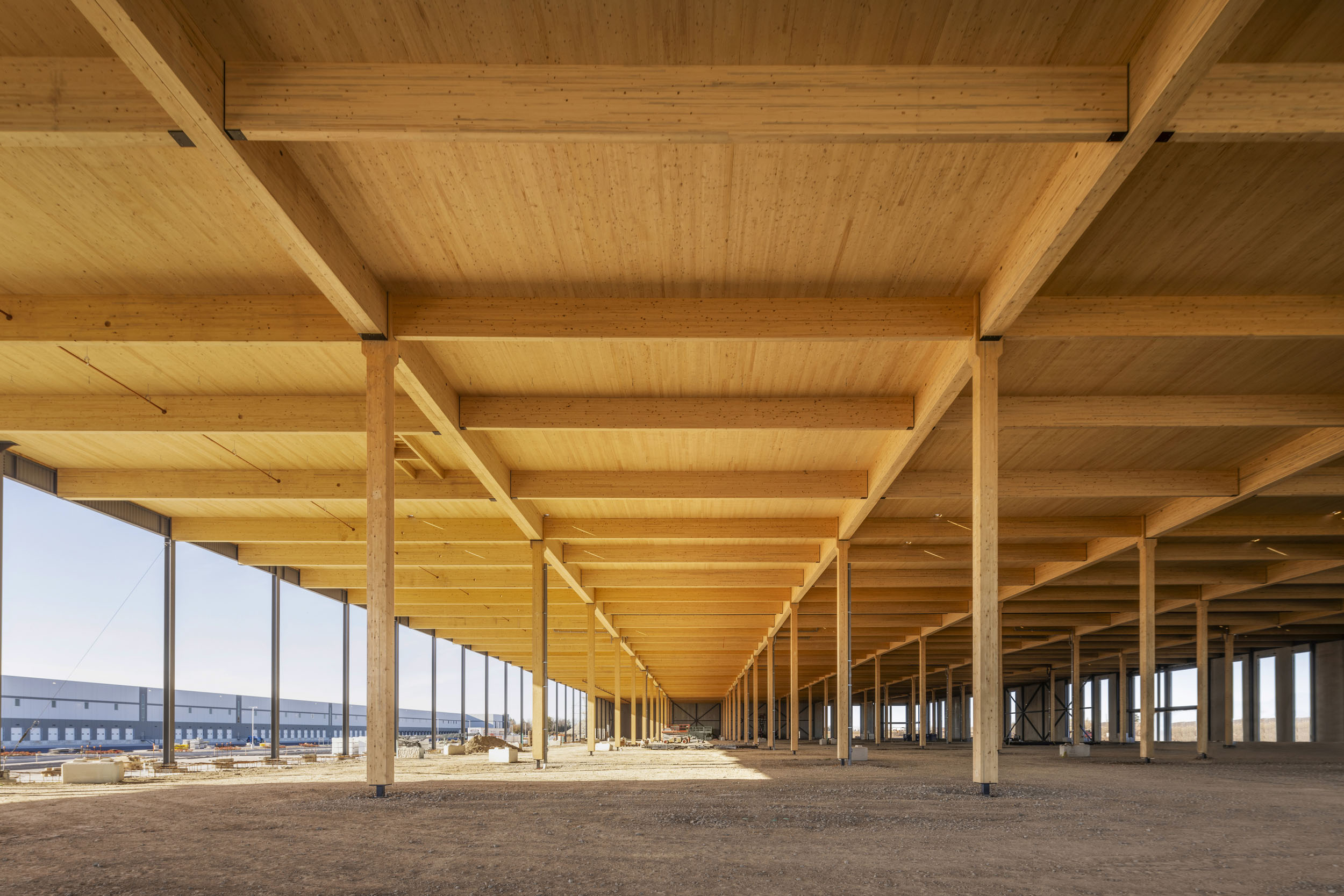
Now, developers and engineers are asking a new question: what if the future of building isn’t about new designs, but new ingredients? Rethinking concrete and steel isn’t just an environmental imperative—it’s a business one.
Building Better Starts with the Mix
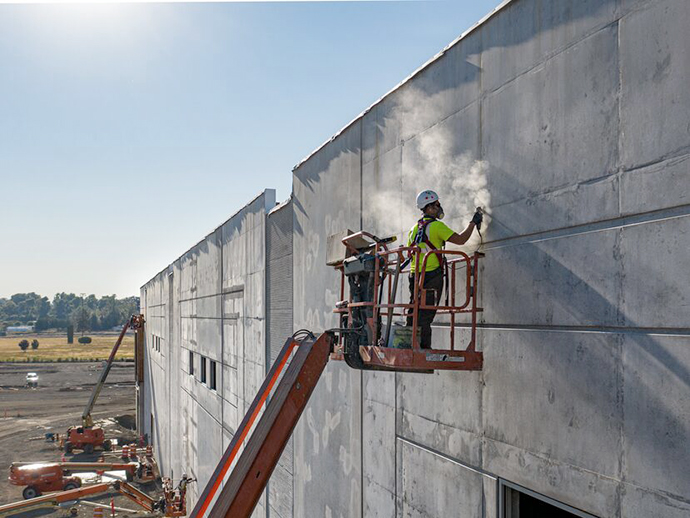
Concrete is the most widely used building material on the planet—and one of the hardest to decarbonize. The challenge lies in cement, the powder that holds everything together. It’s incredibly carbon intensive to produce, making up about 10% of a typical concrete mix but responsible for nearly 90% of concrete’s emissions.
That makes concrete the single largest source of embodied carbon in industrial construction—and one of the clearest opportunities for impact.
As a founding member of the Sustainable Concrete Buyer’s Alliance, along with Amazon, Meta and other leading organizations, we’re working to accelerate the adoption of low-carbon concrete across global construction.