
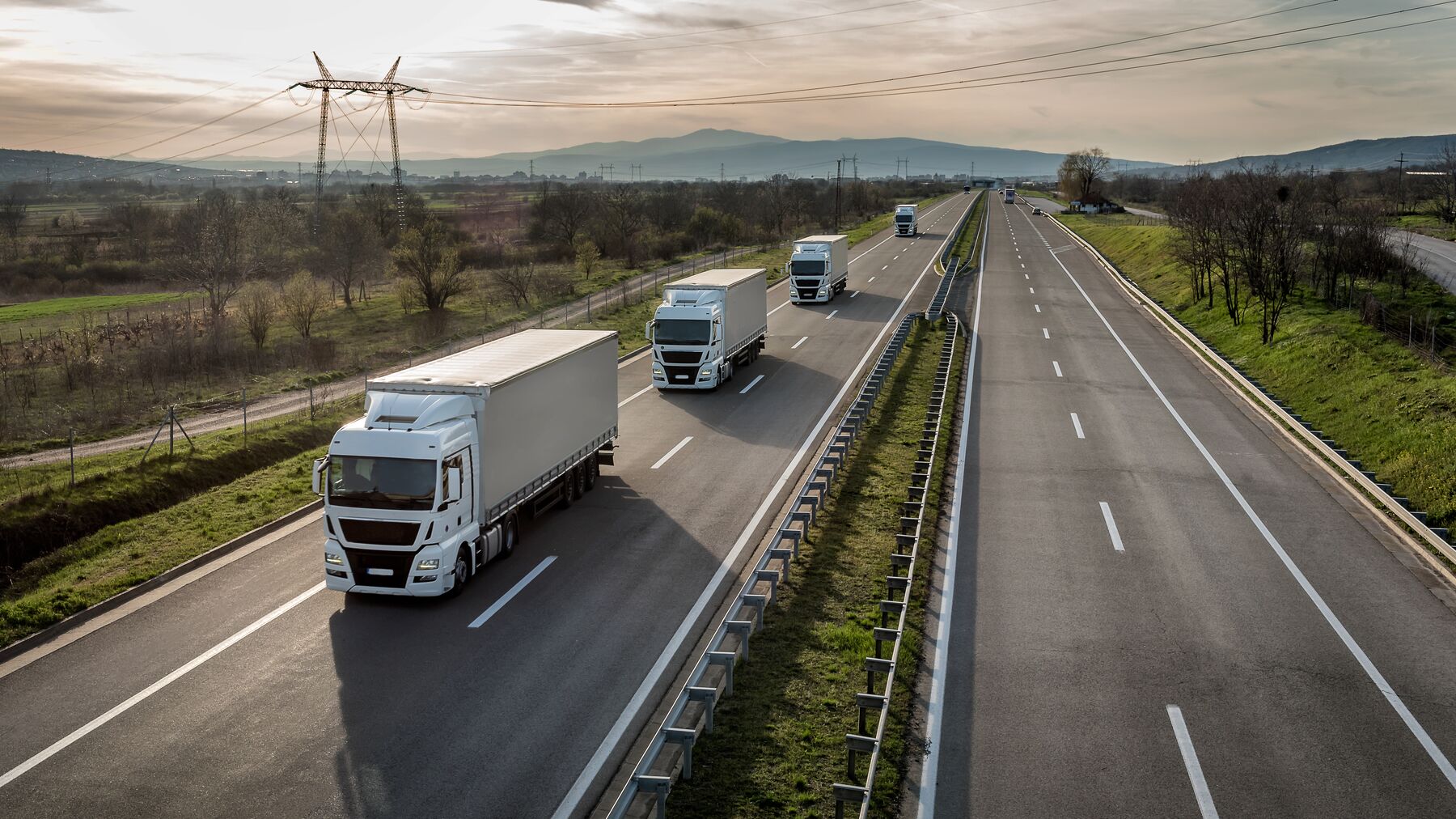
One year ago, Japan implemented a truck driver regulation aimed at improving labor conditions and easing a long-standing labor shortage. Despite positive intent, the new policy rollout has strained logistics systems across the country. With stricter limits on allowable driving hours, every mile matters more.
Japan’s “2024 Problem” and Its Impact on Supply Chains
Dubbed the “2024 Problem,” the regulation caps overtime hours for truck drivers, tightening how far and how often goods can be moved. It has forced companies to rethink their distribution strategies—reworking delivery schedules, rerouting freight and confronting delays. For some, the adjustment has been challenging. For companies operating out of Prologis facilities, the transition has been smoother—it all comes down to location.
A Real Estate Network Designed for Resilience
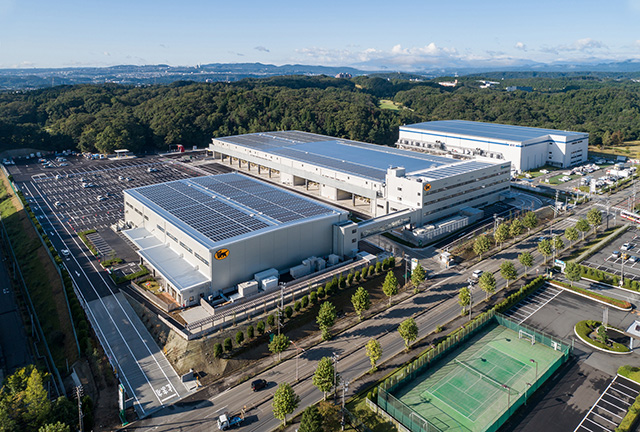
Prologis has spent years acquiring and developing logistics facilities near major population centers and transportation hubs—Tokyo, Osaka, Nagoya, Fukuoka and Sendai among them. The intent has been to keep goods moving efficiently, even in a constrained operating environment.
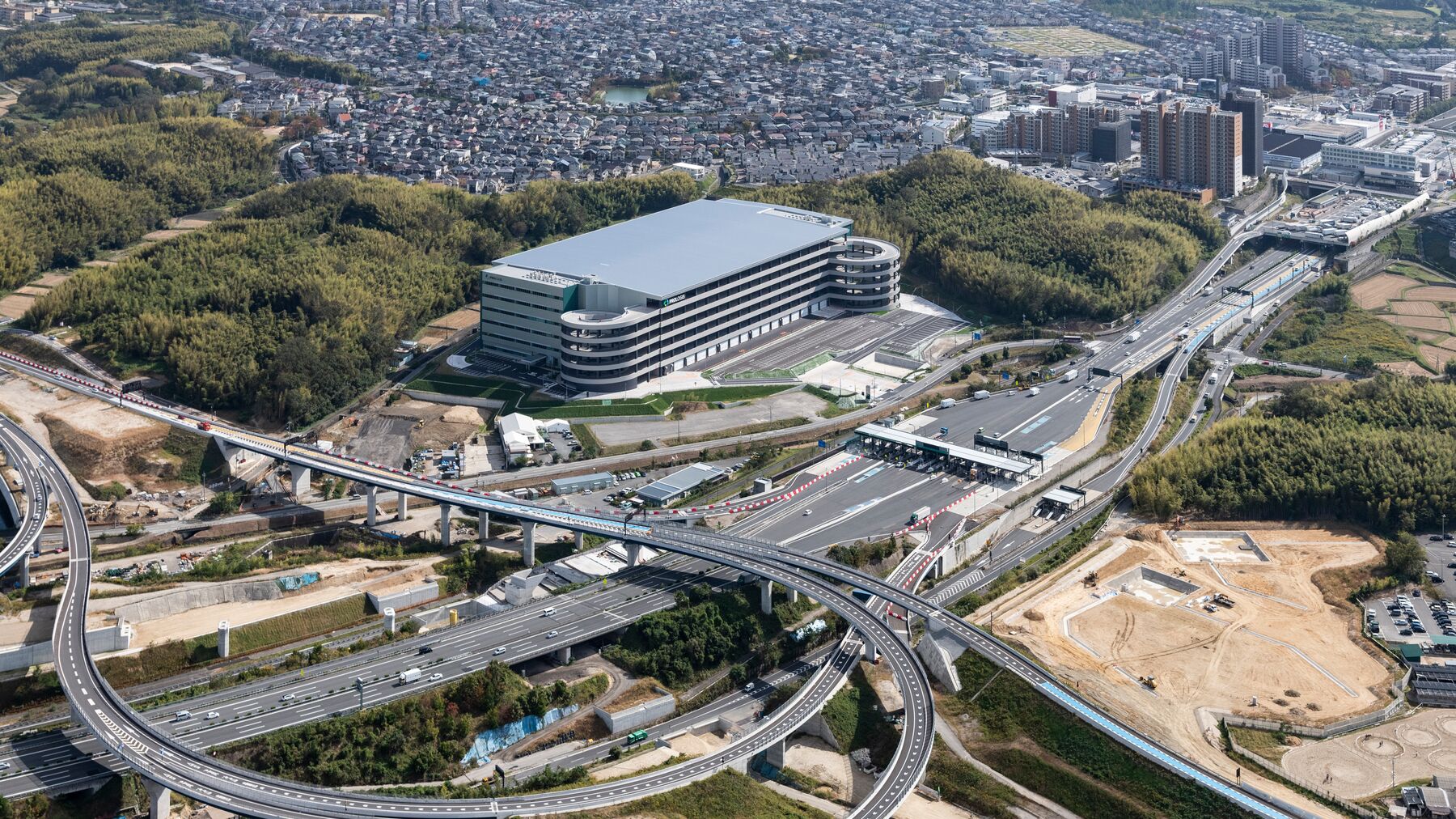
That strategy has always been a part of our long-term, customer-centric playbook. Customers operating from Prologis facilities have been able to shorten delivery routes, reduce reliance on long-haul trucking and stay compliant with minimal disruption. In some cases, companies have shifted into multi-tenant hubs that reduce empty miles and consolidate operations closer to end consumers.
While the regulation is new, the challenges it underscores—labor shortages, inefficient routing, inflexible infrastructure—are not. We focused on seeding land acquisition opportunities and projects as far back as 2019. As a part of that focus, we identified and moved into new strategic markets beyond the five major cities we traditionally operated in—broadening our network designed to absorb shocks and regulatory shifts.
“Before, we managed separate logistics operations across multiple sites, which made it difficult to adapt to the new trucking restrictions,” said Toshiya Kawano of Joint Logistics Service. “Consolidating at Prologis Park Morioka helped us streamline delivery routes, reduce trips and stay on schedule—even with tighter regulations.”
Joint Logistics Service offers a clear example of this approach in action. Faced with new transport capacity constraints, they consolidated grocery shipments from two of their group companies—Universe and BELJOIS—at Prologis Park Morioka. Previously operating from separate locations, the companies now run a more efficient model from two hubs: one in Hachinohe and the other at Prologis Park Morioka. The decision was driven by the site’s strong regional access and modern infrastructure, which enabled Joint Logistics Service to manage advanced storage and delivery operations at scale.
When it Comes to Logistics, Location is a Competitive Advantage
For e-commerce, manufacturing and third-party logistics providers, shorter transport routes mean faster fulfillment and more reliable service. In a market where delivery timelines are increasingly scrutinized, location is a core advantage.
As the industry continues to adjust to Japan’s new trucking rules, one lesson stands out: the best way to manage uncertainty is to plan for it. And in logistics real estate, that means being exactly where your customers need you—before they know they need you.