Secondary menu

  • Customer Login
  • Investor Relations
  • Contact Us
Home Prologis
  • Real Estate
    Available Property Search
    Search Properties Near You
    • Column 1
      • Browse Properties by Region
        • Americas
        • Europe
        • Asia
    • Column 2
      • Real Estate Operations
        • Simplified Leasing
      • Development and Acquisitions
        • Build-to-Suit
        • Data Centers
        • Speculative Development
        • Sustainable Development
  • Essentials Solutions
    • Column 1
      • The Essentials Platform
      • Operations
        • Warehouse Consulting & Strategy
        • Move-In & Move-Out
        • Material Handling Equipment & Storage
        • Infrastructure
        • Automation & Robotics
        • Software & Technology
        • Security
        • Transportation
        • Workplace & Productivity
    • Column 2
      • OnDemand
        • OnDemand Power
        • Fleet Electrification
        • Workplace Charging
        • Hubs
      • Energy & Sustainability
        • Grid-Scale Energy Storage
        • Commercial and Industrial
        • Community Solar
      • Workforce
        • Instawork
  • Insights and News
    • Insights and News
      • Research
      • Blog
      • Industry Trends
      • Success Stories
    • GROUNDBREAKERS™
      • Magazine
      • Moving the World Podcast
  • Impact
    • Impact & Sustainability
      • Sustainability
      • Social Impact
    • Governance
    • Additional Resources
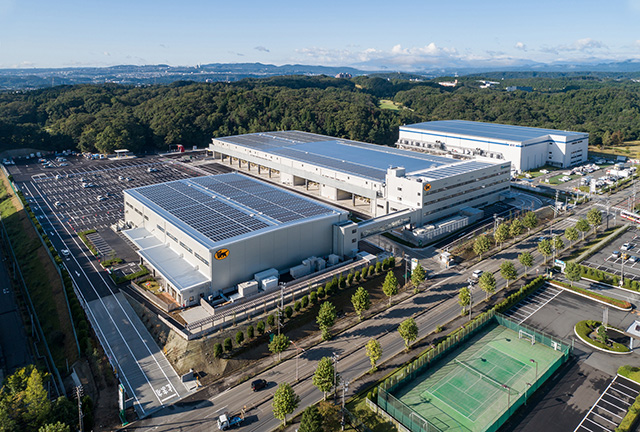
    Warehouse roof showing solar panels

    2025-26 Report

  • About
    • Column 1
      • About Us
        • Leadership and Board of Directors
      • Careers With Us
        • Culture and Talent
        • Open Positions
      • Investors
        • Strategic Capital
        • Investor Relations Site
    • Column 2
      • Prologis Ventures
      • News & Press Releases
        • Media Center
        • Awards
You are currently on the Prologis global website
  • Global
    • www.prologis.com
      • en
  • Americas
    • Brazil
      • pt
      • en
    • Canada
      • en
    • Mexico
      • es
      • en
    • USA
      • en
  • Asia
    • China
      • zh
      • en
    • India
    • Japan
      • jp
    • Singapore
      • en
  • Europe
    • Belgium
      • nl
      • fr
      • en
    • Czech Republic
      • cs
      • en
    • France
      • fr
      • en
    • Germany
      • de
      • en
    • Hungary
      • hu
      • en
    • Italy
      • it
      • en
    • Netherlands
      • nl
      • en
    • Poland
      • pl
      • en
    • Slovakia
      • sk
      • en
    • Spain
      • es
      • en
    • Sweden
      • se
      • en
    • UK
      • en
View Prologis Office Locations

Secondary menu

  • Customer Login
  • Investor Relations
  • Contact Us
Search Properties Near You
Global websites You are currently on the Prologis global website
  • Global
    • www.prologis.com
      • en
  • Americas
    • Brazil
      • pt
      • en
    • Canada
      • en
    • Mexico
      • es
      • en
    • USA
      • en
  • Asia
    • China
      • zh
      • en
    • India
      • en
    • Japan
      • jp
    • Singapore
      • en
  • Europe
    • Belgium
      • nl
      • fr
      • en
    • Czech Republic
      • cs
      • en
    • France
      • fr
      • en
    • Germany
      • de
      • en
    • Hungary
      • hu
      • en
    • Italy
      • it
      • en
    • Netherlands
      • nl
      • en
    • Poland
      • pl
      • en
    • Slovakia
      • sk
      • en
    • Spain
      • es
      • en
    • Sweden
      • se
      • en
    • UK
      • en
View Prologis Office Locations

Breadcrumb

  1. Home
  2. Insights and News
  3. The Hidden Costs Behind Warehouse Automation
An interior view of a warehouse with shelving

Operations

The Hidden Costs Behind Warehouse Automation

Published on March 16, 2026
    • Copy Link
      Copied!
    • X
    • LinkedIn

    Introduction

    When automation projects run over budget, it’s rarely because the technology is unpredictable. More often, late-stage adjustments occur because critical supporting elements fall outside the system contract.

    When warehouse automation cost escalates, it's commonly tied to facility upgrades and infrastructure gaps that are often omitted from initial system scopes.

    Automation systems are typically contracted with precision, while the building infrastructure required to support them is often addressed separately. As a result, industry conversations tend to focus on system performance, software capabilities and technology, with far less attention paid to the facility-level work required to prepare a building for these systems.

    These unaddressed requirements can create gaps both early and late in the project lifecycle. Because critical pre-work must be completed before systems can be installed, customers may find themselves managing fire protection upgrades, floor flatness surveys, sourcing IT equipment, coordinating electrical work and aligning multiple schedules and permits alongside the automation effort.

    Building readiness for automation addresses this challenge by bringing facility-related requirements into the planning process earlier, helping customers better understand and prepare for both the work and budget needed to support automation while reducing uncertainty around timelines ahead of go-live.

    The exclusion gap

    In complex automation engagements, suppliers generally limit project scope to the systems they design, build and control. Facility-related work, which can vary significantly by building condition, regional codes, utility availability and insurer requirements, often falls outside the scope as it’s initially presented to customers.

    This creates an “exclusion gap” that many customers encounter late in the process, after budgets have received preliminary approval and key “go-forward” decisions have been made.

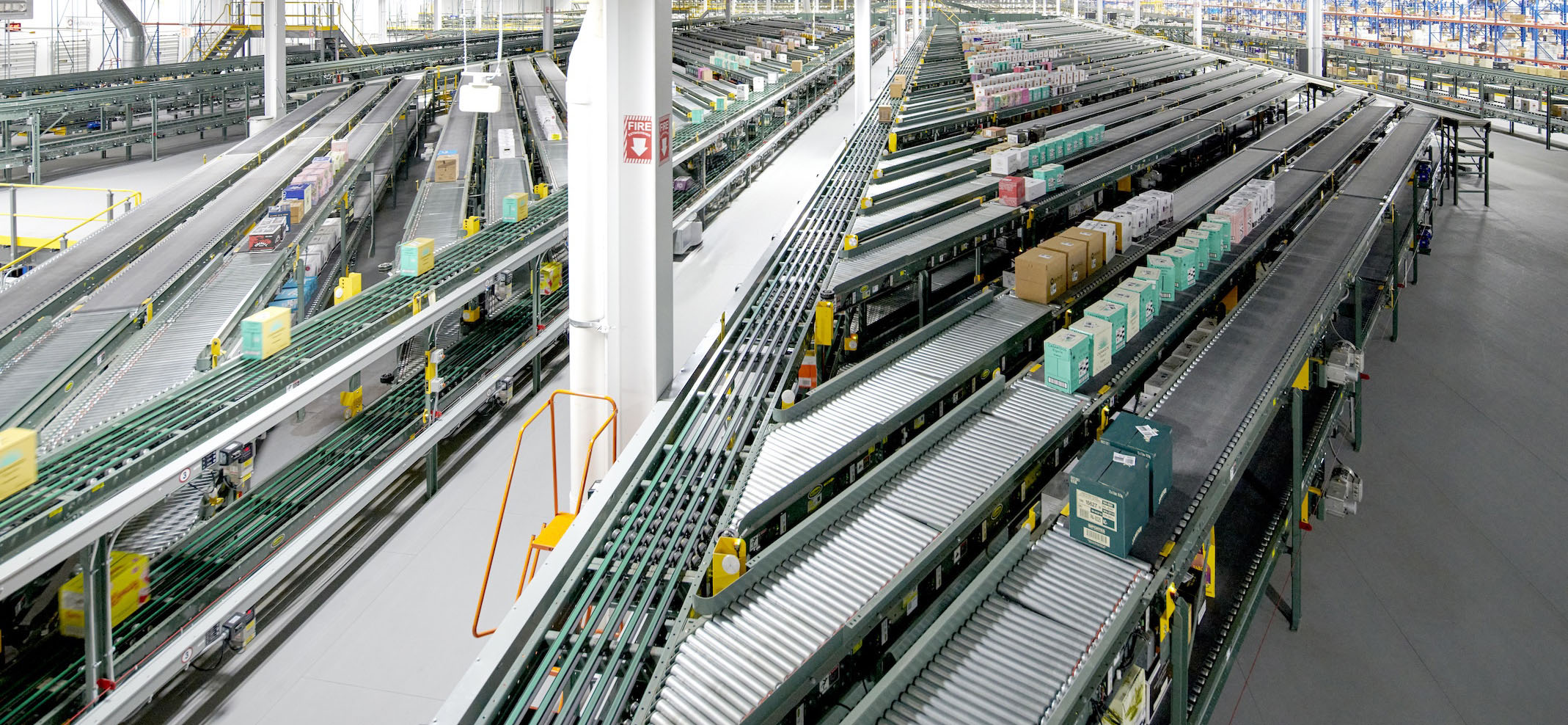
    A view of containers moving fast on a conveyor belt

    Why these costs show up so late

    To a varying degrees of accuracy and quality, building the business case for automation has become fairly standardized across the industry. These models typically factor in SKU and order data, shift structures, labor costs and growth assumptions to generate projected system pricing and ROI.

    What they often do not account for is the building itself.

    In many cases, this work sits beyond an automation provider’s direct expertise or control. It may involve unfamiliar jurisdictions, local construction practices or infrastructure constraints that are difficult to predict early. External stakeholders such as insurers and local authorities may also review plans later in the process, introducing additional requirements that were not incorporated during early design. As a result, suppliers focus on what they know best: the system and the technology itself.

    Most warehouses were designed for people and forklifts, not autonomous equipment. As automation is introduced, floor tolerances tighten, power density increases, fire life safety requirements change and network reliability becomes mission-critical.

    The most expensive moment in an automation project is rarely a single change order. When facility requirements are not addressed early, necessary work can surface under compressed timelines and tighter constraints. Bringing this scope forward through building readiness helps avoid schedule disruption, reduce compliance exposure and keep automation performance aligned with business objectives.

    The real cost isn’t the line items. It’s ownership. 

    When assessing or comparing/contrasting automation system options, total cost of ownership must be considered. Automation business cases typically model the system investment as the Year 0 capital outlay. However, when facility upgrades and building readiness projects add 10 to 15 percent to that initial investment, the financial model changes.

    Without accounting for ancillary scope early, payback periods, internal rate of return and capital -planning assumptions can become skewed before the project even begins.

    Automation ROI does not erode because systems are overpriced. It erodes because responsibility is fragmented.

    Interior view of a forklift in a warehouse

    Building readiness as a coordinated approach

    Building readiness for automation provides a structured framework for evaluating automation readiness across both system design and facility infrastructure.

    The program helps customers:

    • Understand common automation exclusions early
    • Assess facility readiness across fire, floors, power, lighting, IT and compliance
    • Scope, coordinate and deliver the required upgrades
    • Support automation projects inside or outside Prologis buildings

    By integrating facility readiness with warehouse automation consulting insights, organizations can control warehouse automation cost, reduce overall project risks and protect long-term ROI.

    The Takeaway

    When automation systems exceed initial budgets and timeline schedules, it’s not because robots are complex, or because of single change order. These projects fail when ancillary system and building requirements are treated as someone else’s responsibility, until they become everyone’s problem.

    The most successful automation implementations don’t eliminate exclusions. They plan for them early, reducing risks and assigning ownership intentionally so when the unexpected costs surface, there is already a clear path forward.  

    That’s where we help bring building readiness into focus. Let’s connect early to keep scope, timelines and budgets aligned and your investment on track.

    Frequently Asked Questions

    Automation readiness refers to a facility’s ability to support automated systems from both an operational and infrastructure standpoint. While most automation evaluations focus on throughput, labor modeling and software capabilities, true readiness also includes floor tolerances, structural capacity, power availability, fire protection, lighting, IT network reliability and code compliance.

    Without this broader assessment, warehouse automation cost and risk often increase late in the project lifecycle when required upgrades surface under compressed timelines. Building readiness for automation brings these facility requirements forward so they can be evaluated before system installation begins.

    While definitions vary by provider, automation initiatives typically rest on four core pillars:

    1. System design and robotics
    2. Software and controls
    3. Facility and infrastructure readiness
    4. Operational integration and workforce alignment

    Many business cases emphasize the first two pillars. However, long-term performance depends equally on building infrastructure and operational integration. Ignoring these elements can introduce warehouse automation risks that impact schedule, compliance and ROI.
     

    Automation feasibility begins with data, including SKU profiles, order volumes, peak variability and labor structure. However, a complete feasibility review also evaluates the building itself.

    Key factors include: 

    • Clear height and structural capacity
    • Floor flatness and load tolerance
    • Available electrical capacity and power distribution
    • Fire life safety systems and insurance requirements
    • Network infrastructure and redundancy
    • Local permitting and code constraints

    Warehouse automation consulting often models system performance and return on investment, but feasibility should also account for the facility upgrades required to support that system. A comprehensive assessment helps prevent unplanned scope gaps and unexpected warehouse automation cost increases later in the process.

    Most automated warehouse systems include five foundational components:

    1. Material handling equipment, such as conveyors, ASRS or autonomous mobile robots
    2. Control systems and programmable logic controllers
    3. Warehouse management and warehouse control software
    4. Sensors and safety systems
    5. Power and network infrastructure

    The first four are typically delivered by the automation provider. The fifth, power and network infrastructure, along with structural and fire protection modifications, often falls outside the system contract.

    Addressing these facility requirements early through building readiness for automation helps align scope, reduce warehouse automation risks and protect overall investment performance.
     

    Up Next

    IT infrastructure
    Operations

    Warehouse Security and IT Infrastructure: The Future of Safe and Efficient Warehouse Operations

    Published on July 19, 2024
    Conveyor system inside a warehouse
    Operations

    The Future of Supply Chain Resilience: Key Insights from Manifest 2025

    Published on March 7, 2025

    Get in Touch

    With dedicated experts who handle everything—including design, engineering, procurement, permitting and installation—the Prologis Essentials team is your single point of contact to integrate streamlined operational solutions. 

    Please enter your information
    *Required Information
    Click here if you agree to receive marketing communications via email by Prologis. Our communications may include news, surveys and communications from Prologis, which may include information about our partners' solutions.


    By submitting this form, you acknowledge that you have read and agree to the Terms of Use and Privacy Policy.
    Home

    Footer

    • Real Estate
      • Essentials Solutions
      • Insights
      • Sustainability
      • About
    • Customer Login
      • Investor Relations
      • Contact Us
    • Privacy Policy
      • Terms of Use
      • Accessibility Statement
      • For Employees

    Footer social links

    • Decorative Link
    • Decorative Link
    © 2026 Prologis, Inc. All rights reserved.