
The significant transformation of logistics real estate has brought an increased emphasis on the critical roles of warehouse security and IT network infrastructure. Physical security is not just about protecting assets but also ensuring the safety of people and maintaining efficient operations. As such threats as theft, vandalism, terrorism and cyberattacks become more sophisticated, comprehensive security measures, integrated with advanced warehouse IT systems, become increasingly important. This article explores the key aspects of warehouse security and IT infrastructure, drawing insights from current industry best practices.
A Modern Threat Landscape
Effective warehouse security begins with a thorough threat assessment, which involves identifying potential threats and vulnerabilities unique to each facility, such as geographical location, local crime rates, surrounding infrastructure, product value, trade secrets, proprietary data and tenant profiles. Understanding the specific risks associated with a warehouse allows customized security measures to mitigate threats.
Key Considerations for Warehouse Security
Perimeter security
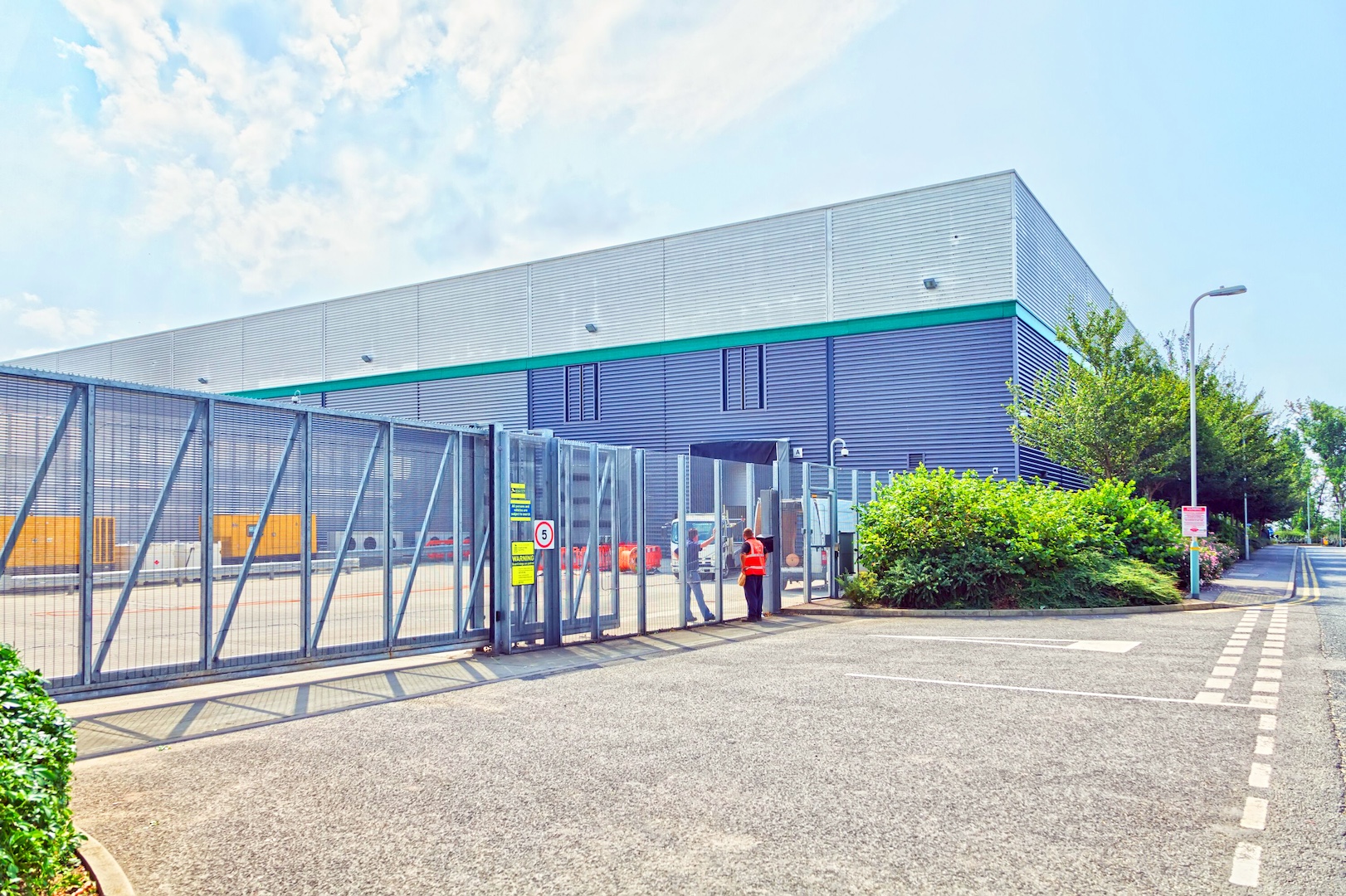
Securing the perimeter is the primary defense against unauthorized access. Fencing, walls, doors, gates, lighting and barriers should be designed to deter intruders while allowing authorized personnel and vehicles secure access.
Access control
Implementing robust access control systems is essential to regulate entry into a logistics facility. Modernized access control eliminates the legacy security risks of traditional lock and key by providing centrally managed and monitored access credentials and reporting. Access permissions are strictly defined based on roles and responsibilities and include automated gate attendants, electronic key card systems tied to real-time camera verification, retractable bollards, turnstiles, metal detectors, weapon detection systems and visitor management protocols.