Why KPIs are changing
Warehouses once measured performance mainly through cost per order, inventory turns, and labor productivity. Those metrics still matter—but they no longer tell the full story.
- Rising customer expectations mean on-time delivery and perfect order rates are as important as cost.
- Labor shortages and safety pressures have elevated KPIs like throughput per labor hour and Total Recordable Incident Rate (TRIR).
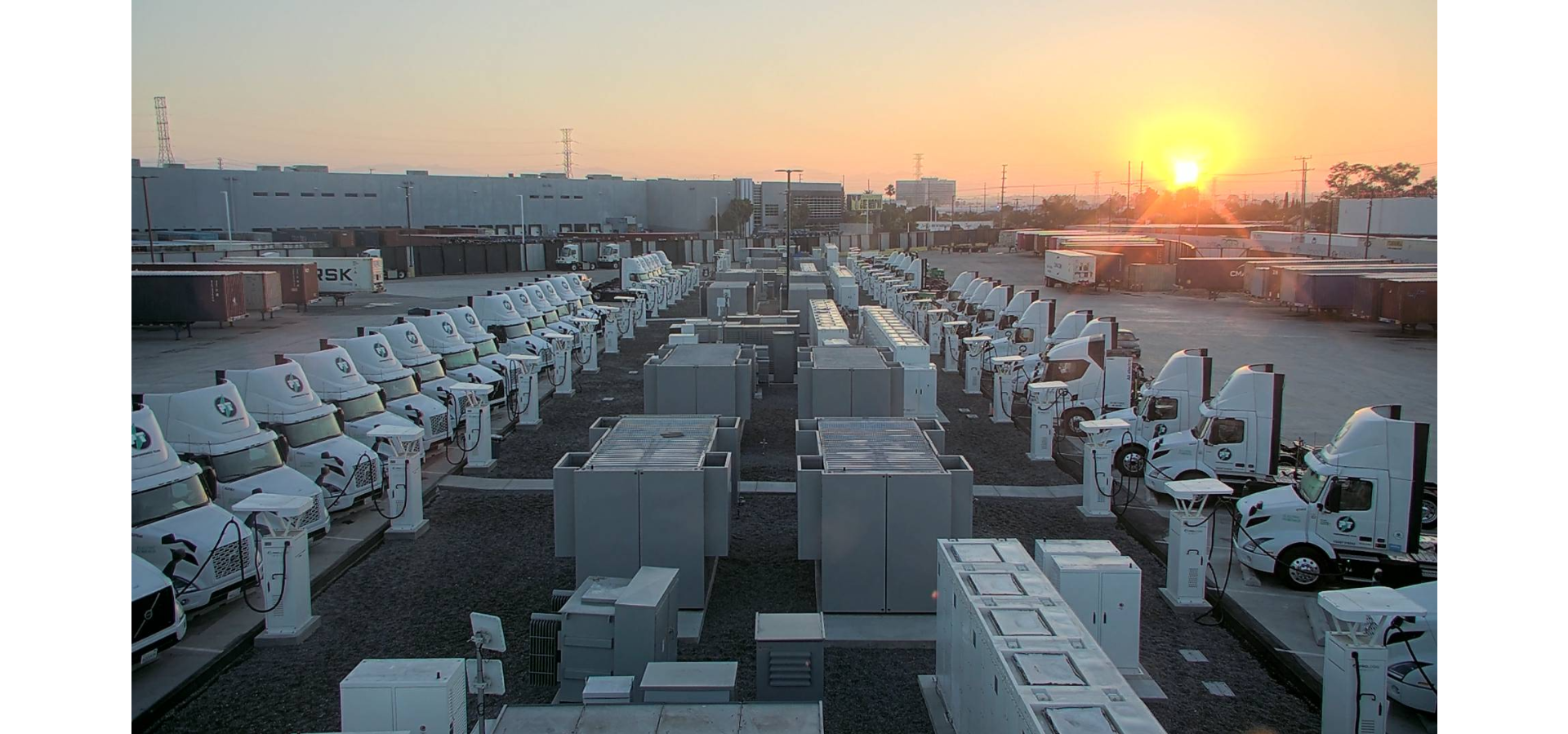
- Sustainability mandates are pushing companies to adopt intensity-based KPIs, such as emissions per order or per pallet (ISO 14083).
- Reverse logistics has emerged as a new frontier: with returns approaching 17% of sales, KPIs like time-to-refund and resale yield are board-level conversations.
- Data visibility gaps are forcing leaders to track not just shipments, but whether their systems provide real-time milestones and exception alerts.
The takeaway: KPIs are evolving from static scorecards into dynamic decision tools.