Move over athletes—robots are suiting up. In Beijing, the global AI race hit the stadium with 500 humanoid robots from 16 countries competing head-to-head in 26 events, from kickboxing to tai chi to soccer.
The robots wobbled more than they wowed. While they’re not about to make ESPN’s highlight reel, AI and robotics are already transforming an arena that matters far more to everyday life: logistics.
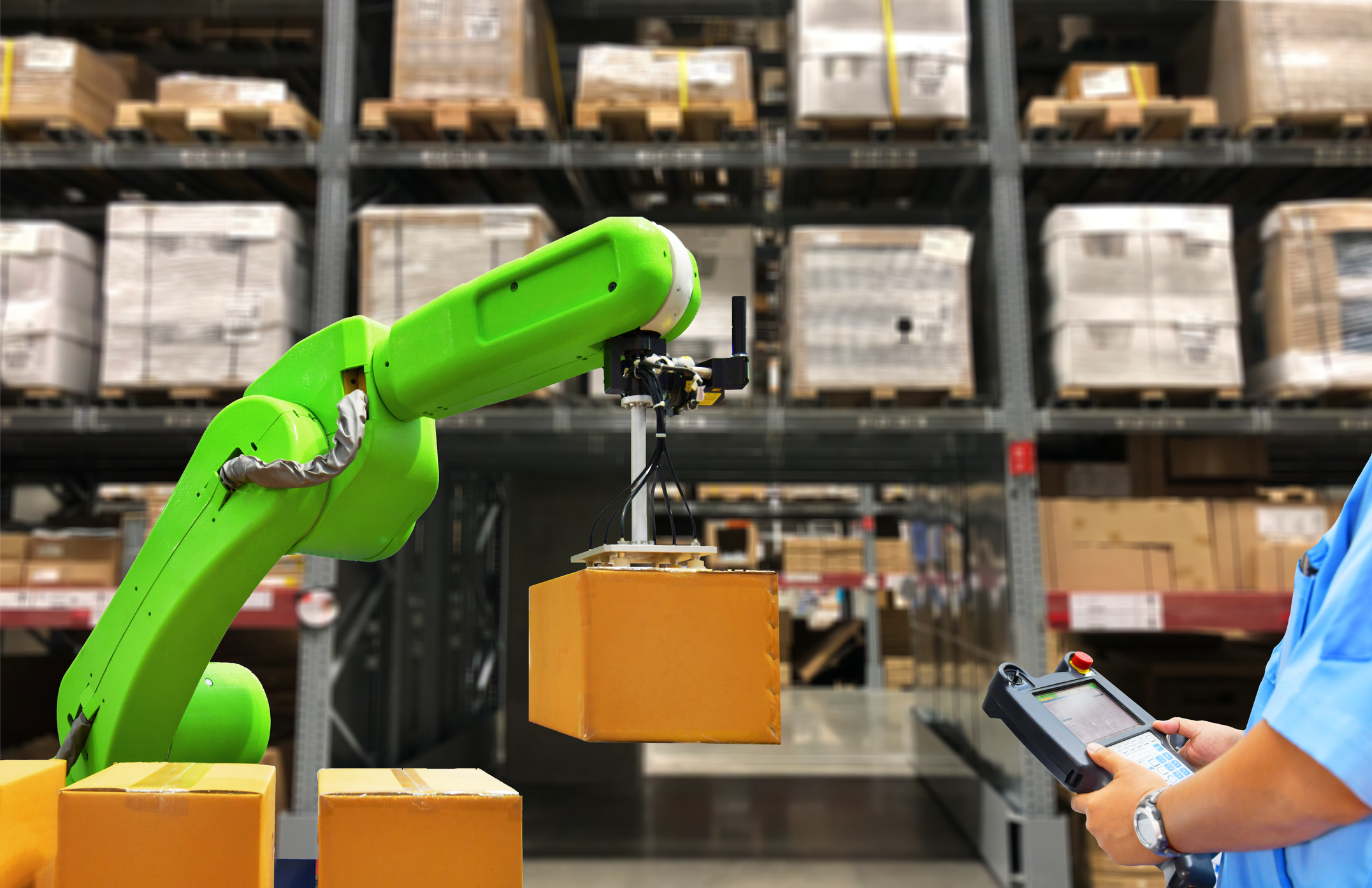
In warehouses worldwide, AI is helping businesses forecast demand, optimize inventory and streamline workflows. Automation—through robotics and smart conveyor systems—turns those insights into action, cutting downtime, speeding fulfillment and reducing costs.
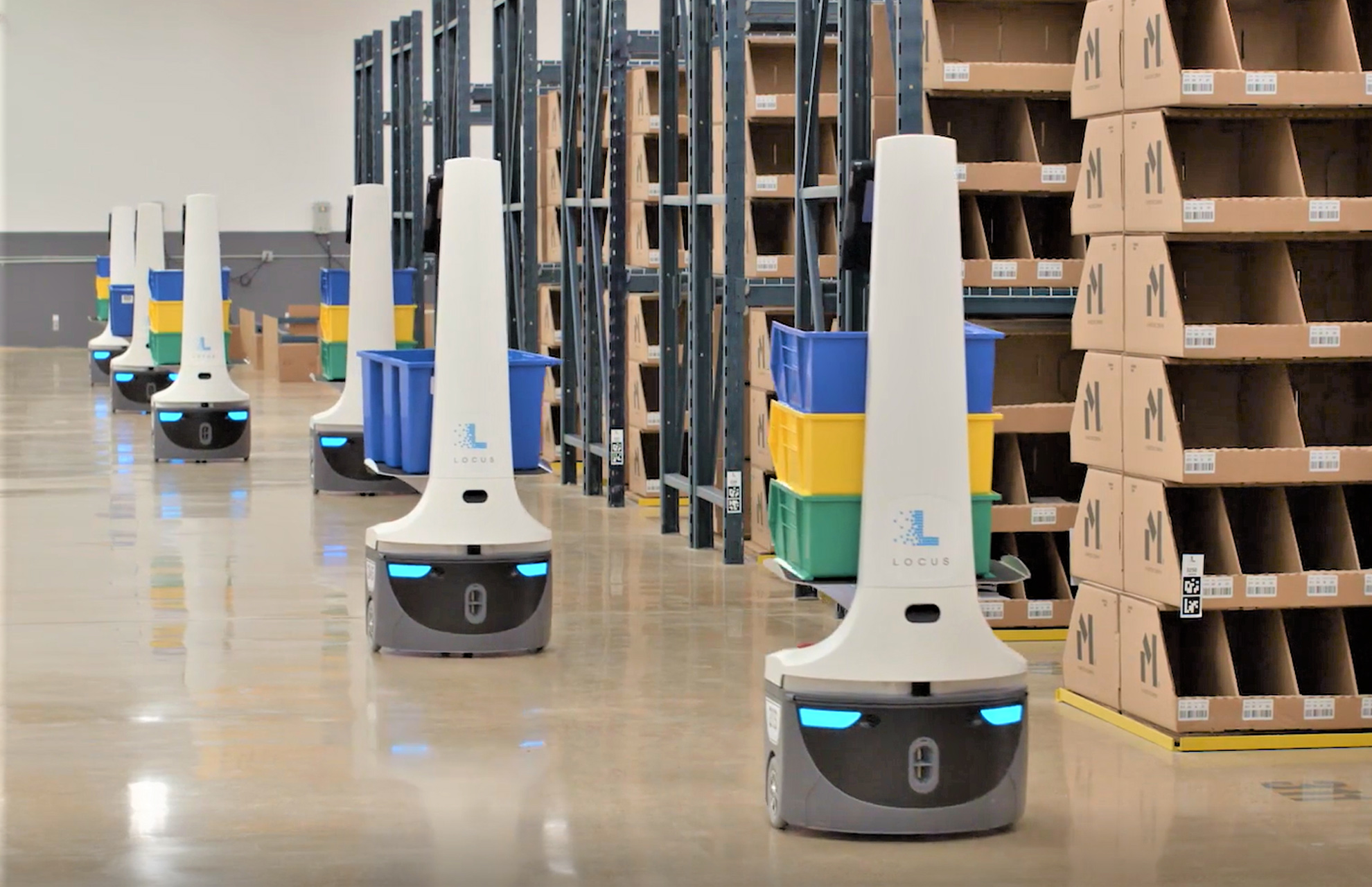
Prologis Ventures portfolio company Locus Robotics is scaling smart, mobile robots that handle repetitive, labor-intensive warehouse tasks like picking, sorting and packing. Unlike traditional automation, which often requires fixed infrastructure and long installation timelines, Locus’s bots are flexible, easily deployable and work alongside human teams—boosting productivity without requiring a full warehouse redesign. The result? Faster cycle times, increased throughput and fewer human errors during fulfillment, a truly transformative impact for customers leaning in early.
But even with performance gains like that, automation rollouts still face hurdles. Roughly three in four executives aren’t happy with their automation efforts. The sticking points include sluggish rollouts, complex integrations and steep costs. So, how do you get robots integrated into your existing operations quickly and with minimal disruption?