Types of Storage Racks for Warehouses
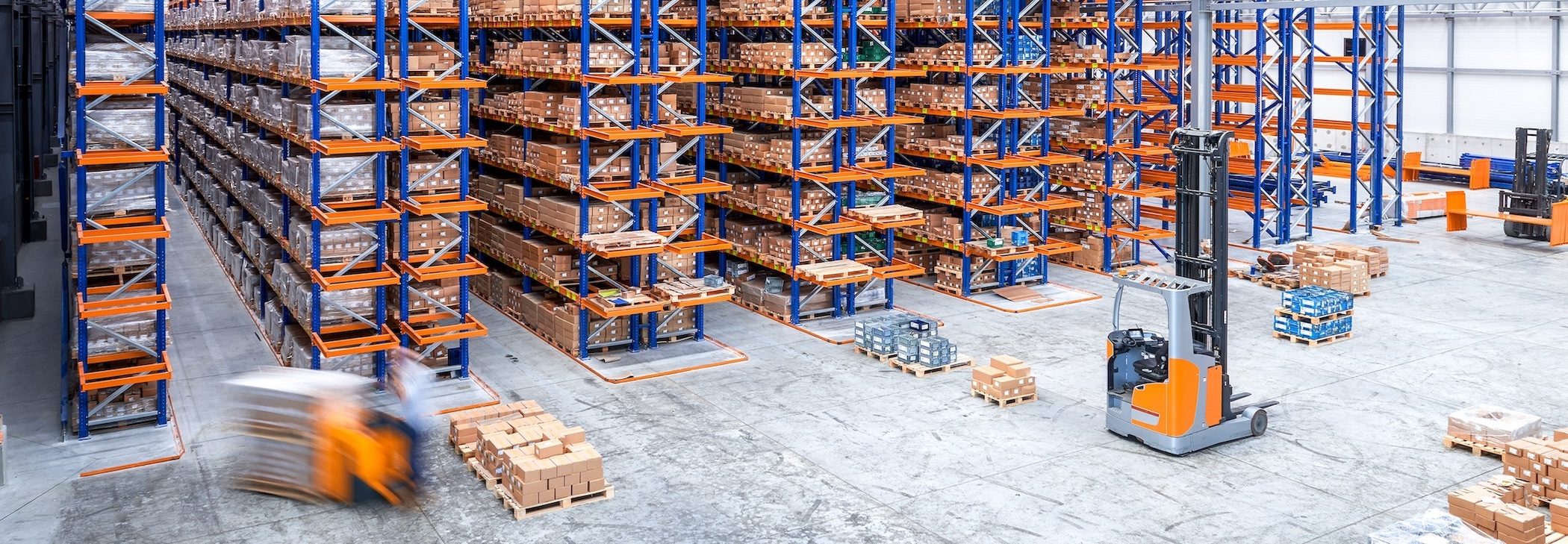
Efficient racking increases space utilization and operational efficiency significantly, so selecting the right system is crucial. Options range from selective racking (which offers easy access to each pallet but lower storage density) to more specialized systems, like drive-in/drive-through racking (designed for similar products in high-density storage), pallet flow racking with gravity rollers (for high-turnover inventory) and pallet shuttle systems (which combine high-density storage with light automation).
Choosing the Right Automated Warehouse Racking System
The selection process begins by assessing a warehouse's specific requirements. Evaluating the specific types of products stored—dimensions, weights, commodity type, turnover rates and picking methods—is the first in choosing the most appropriate racking configuration.
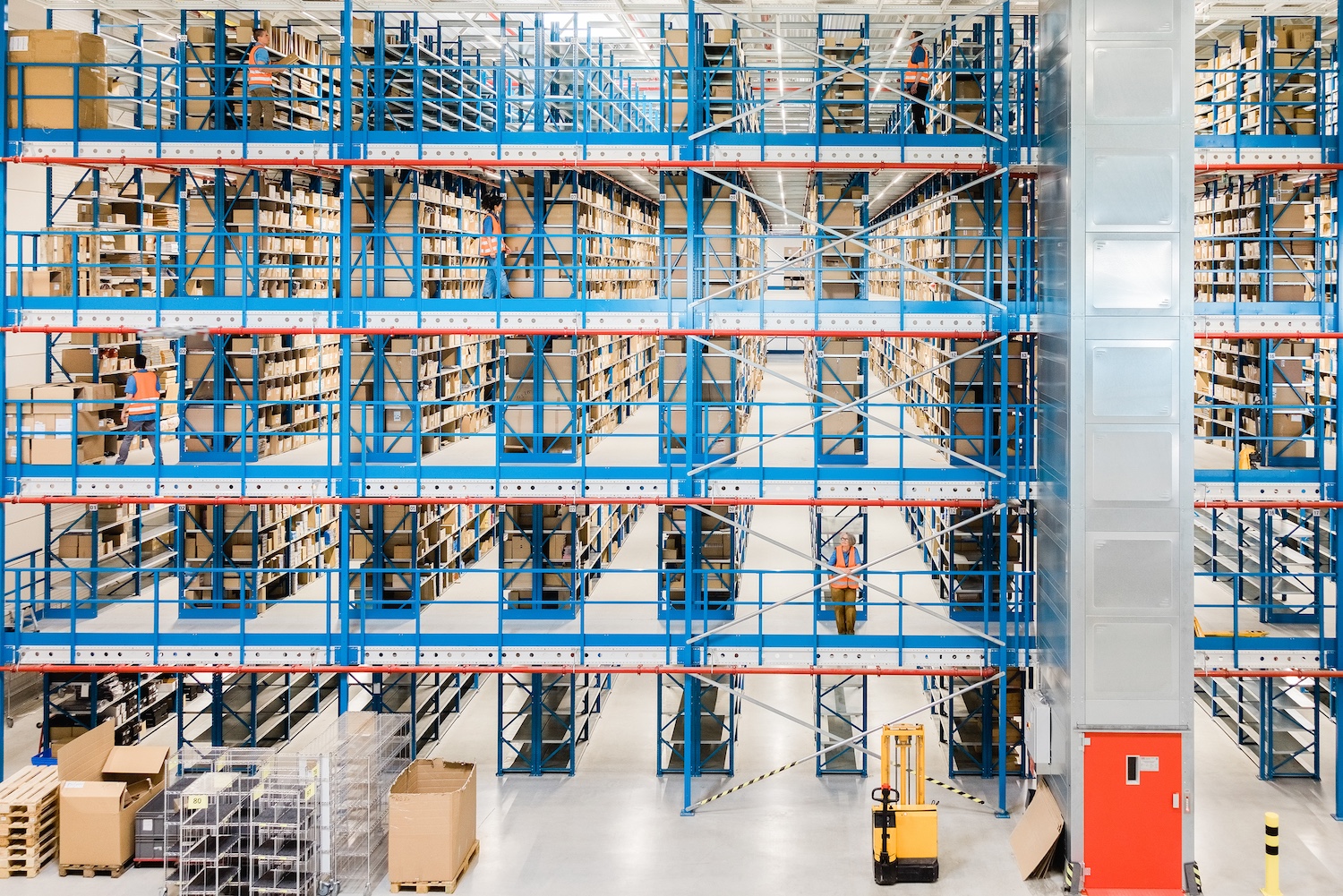
Optimizing space is another critical consideration. Tall racks maximize storage capacity vertically, allowing for ample aisle widths to facilitate forklift maneuverability without compromising storage density.
Technology’s Role in High Throughput
Warehouse racking solutions that include technology can augment efficiency significantly. Robotics, such as automated storage and retrieval systems (AS/RS), manage high-density storage with minimal human intervention, while collaborative robots assist in picking and packing, reducing labor costs and improving accuracy. Conveyance and high-speed sortation can increase throughput and reduce headcount for labor-intensive processes.
In addition to robotics, technology has plenty more to offer:
- Data analytics: Data analytics provide invaluable insights into warehouse operations. Advanced analytics can identify patterns and trends in inventory movement, aiding in the optimization of racking configurations. Predictive analytics can forecast demand and suggest adjustments to accommodate future growth.
- Inventory management systems (IMS): Advanced IMS technology bolsters efficiency further. These systems provide real-time data on inventory levels, locations and turnover rates, enabling continuous optimization of warehouse configurations to align with patterns of changing demand.
- IoT and smart technologies: IoT devices and smart technologies offer real-time monitoring of environmental conditions, inventory levels and equipment status. They enable proactive maintenance, reduce downtime, and ensure continuous and efficient operations.
Warehouse Racking Solutions Capable of Handling Today's Logistics Demands
Similar to the logistics industry as a whole, the dynamic nature of warehouse operations necessitates regular reviews and adjustments to systems. Monitoring KPIs, conducting time studies to identify bottlenecks and soliciting feedback from warehouse staff are essential practices that foster practical insights and enable potential layout enhancements.
Operational efficiency relies on the principles of efficient warehouse layout. Racking configuration and technology are essential to maximize storage capacity and enhance overall productivity. By selecting the right warehouse racking solutions, leveraging technology, and regularly reviewing and adjusting configurations, warehouse operators can create a flexible and scalable environment that meets the demands of modern supply chain operations. Implementing best practices and staying informed about the latest technological advancements will ensure warehouses remain competitive and capable of handling the complexities of today's logistics industry.