How are sustainable practices being integrated into warehouses?
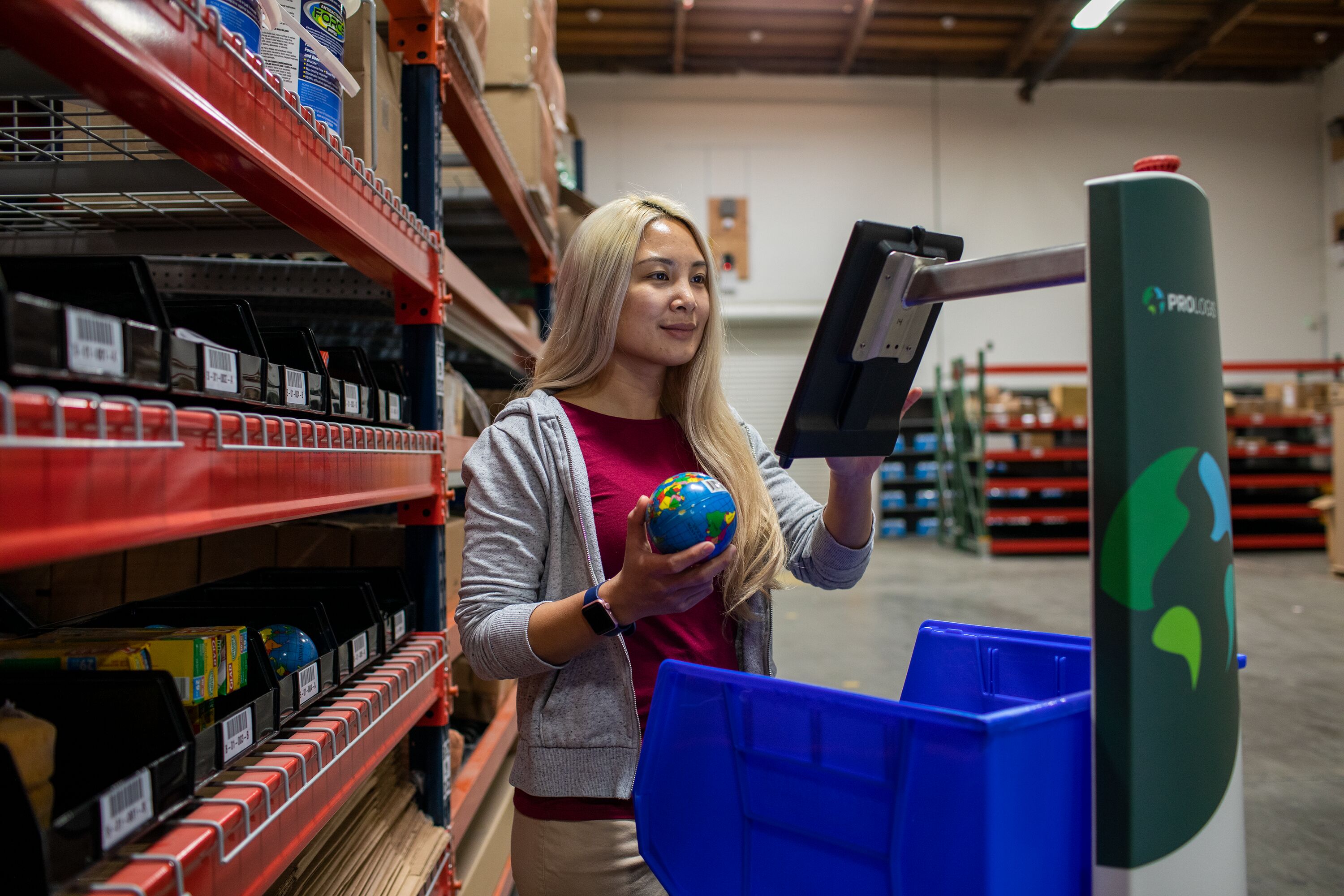
Sustainability in logistics is multifaceted, encompassing energy-efficient building designs, renewable energy adoption, waste reduction and resource conservation. Cunningham reveals how Prologis is pioneering warehouse sustainability with a bold commitment to achieve net-zero emissions by 2040 and a dedication to integrate sustainability as a core element of warehouse operations, with such solutions as rooftop solar as well as front-and-back meter energy innovations.
Today, businesses are taking steps toward future-proofing operations alongside partners, such as Prologis, that help establish roadmaps, overcome common challenges and take a step-by-step approach to reach achievable goals. With transitioning to electric fleets as well as solar and storage options, there is a seismic shift toward efficiency in operations, which helps reduce carbon footprints and slash energy costs.
What are the benefits of cultivating a sustainable supply chain?
Delving deeper into the economic rationale for sustainability, Cunningham shares Prologis' focus on "adding another level to help our customers," which includes sustainable initiatives. A sustainable supply chain translates to corporate responsibility combined with a competitive edge.
“Customers today are increasingly conscious about the environmental footprint of their purchases," Cunningham points out. "They aren’t just looking for products. They want a sustainable purchase experience from start to finish. That's why integrating sustainable practices, like renewable energy, into our warehouses doesn't just reduce operational costs: It resonates with customer values, enhancing overall satisfaction and loyalty to our brand."
From a financial perspective, sustainable practices often lead to long-term cost savings through energy efficiency, optimized resource use and improved supply chain resilience. Additionally, embracing efficient technologies and processes can help companies adhere to regulatory requirements and qualify for tax incentives, grants and carbon credits.
Why should businesses consider automation and sustainability now?
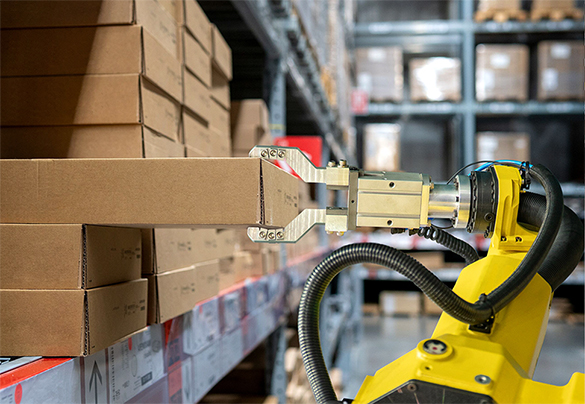
"If you're having a labor problem, start looking at the potential of automation," suggests Cunningham. The pressures of e-commerce growth necessitate a strategic approach to both automation and sustainability. As consumer demand for efficient service heightens, businesses that act swiftly will remain competitive and resilient in a changing marketplace.
Similarly, sustainability is transitioning from a nice-to-have to a must-have feature of logistics operations. Businesses that fail to integrate sustainable practices risk falling behind, both in terms of market expectations and regulatory compliance.
Interested in more? Listen to the conversation with Cunningham on the eCom Logistics podcast, where he discusses warehouse optimization, supply chain transformation and the future of logistics.