Emission Data: The Foundational Element
Emission data is the currency of sustainability. The first step toward an actionable plan involves careful measurement and understanding of emissions across the board—a deep dive into data across Scope 1, Scope 2 and, particularly, Scope 3 emissions. On average, Scope 3 emissions account for 75%2 of companies’ greenhouse gas production, so it’s essential for organizations to address the complexities of data measurement to pinpoint their impact and pave the way for informed strategies.
Next Steps: Start by auditing your emissions across different scopes. Establish baseline data to understand your carbon footprint. This information will help illuminate a roadmap toward reduction targets and shape a sustainability narrative for stakeholders. Work to develop transparency across your entire supply chain with the help of digital tools, which can improve the quality of your data and ensure the right solutions are deployed at the right time.
Efficiency Upgrades: Low-hanging Fruit
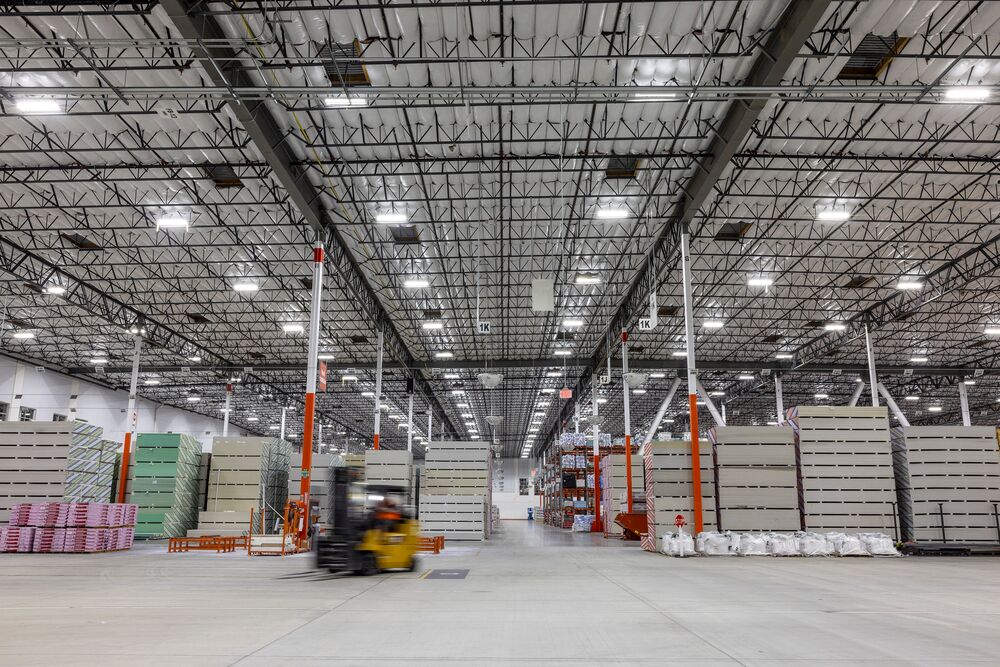
Efficiency upgrades are the cornerstone of progress. Initiatives like LED conversions offer eco-conscious benefits, as well as immediate financial returns with LEDs using 90% less energy and lasting up to 25 times longer.3 Other warehouse enhancements, such as IoT sensors for temperature control and motion activated lights, are simple, yet powerful, changes that make a real impact on carbon and energy reduction. By optimizing existing resources, sustainable warehouse practices are easily attainable and quick to implement. Such efficiency upgrades pave the way for effective energy management and align financial gains with environmental responsibility.
Next Steps: Identify areas in your operations that can be streamlined for efficiency optimization. Prioritize simple upgrades, like LED conversions, which will reduce both energy consumption and operational costs. These small steps contribute to the bigger picture in significant, measurable ways.
Renewable Energy: The New Standard
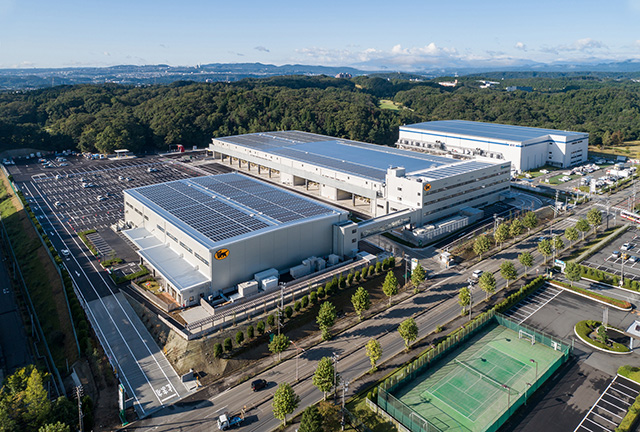
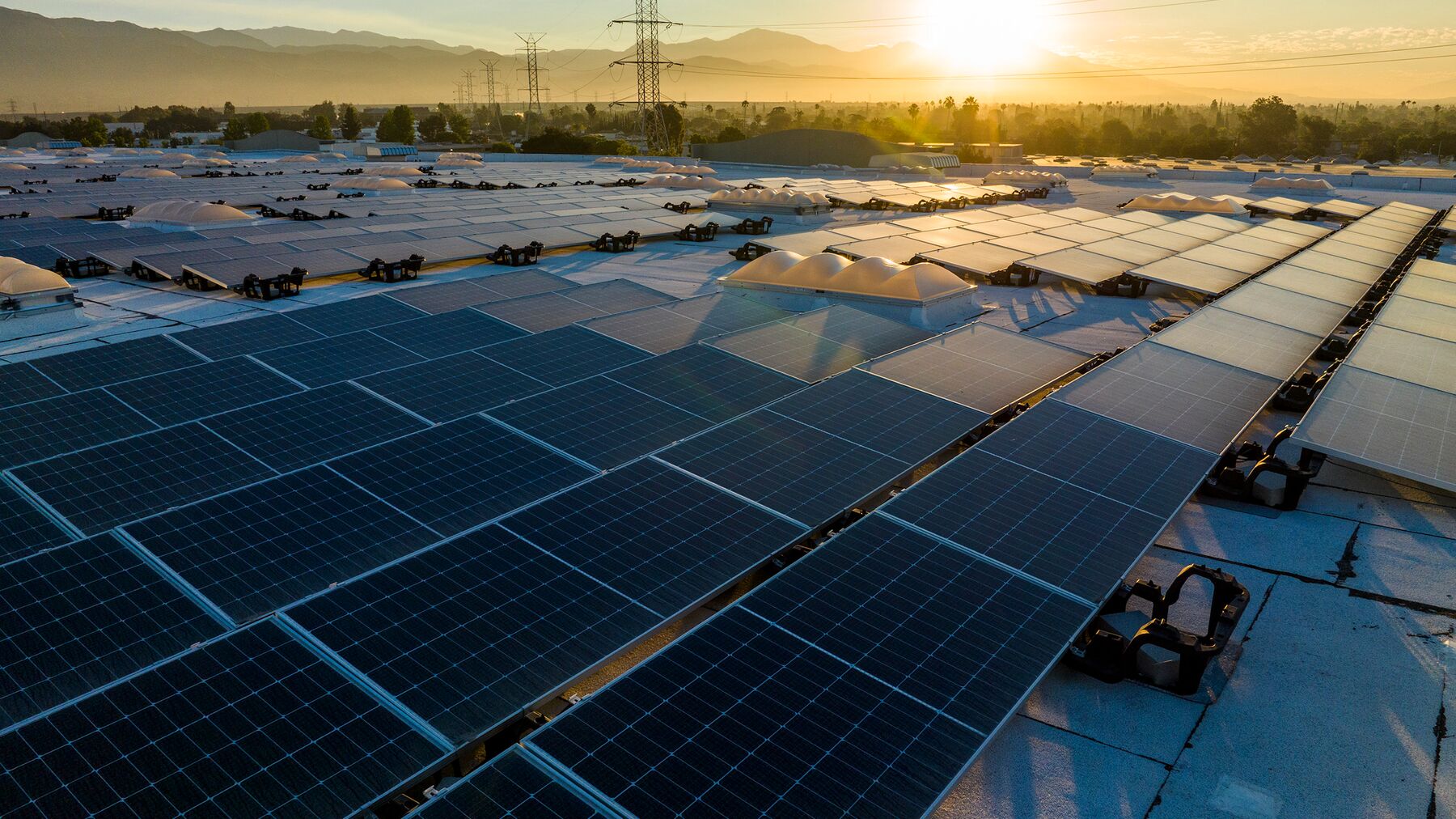
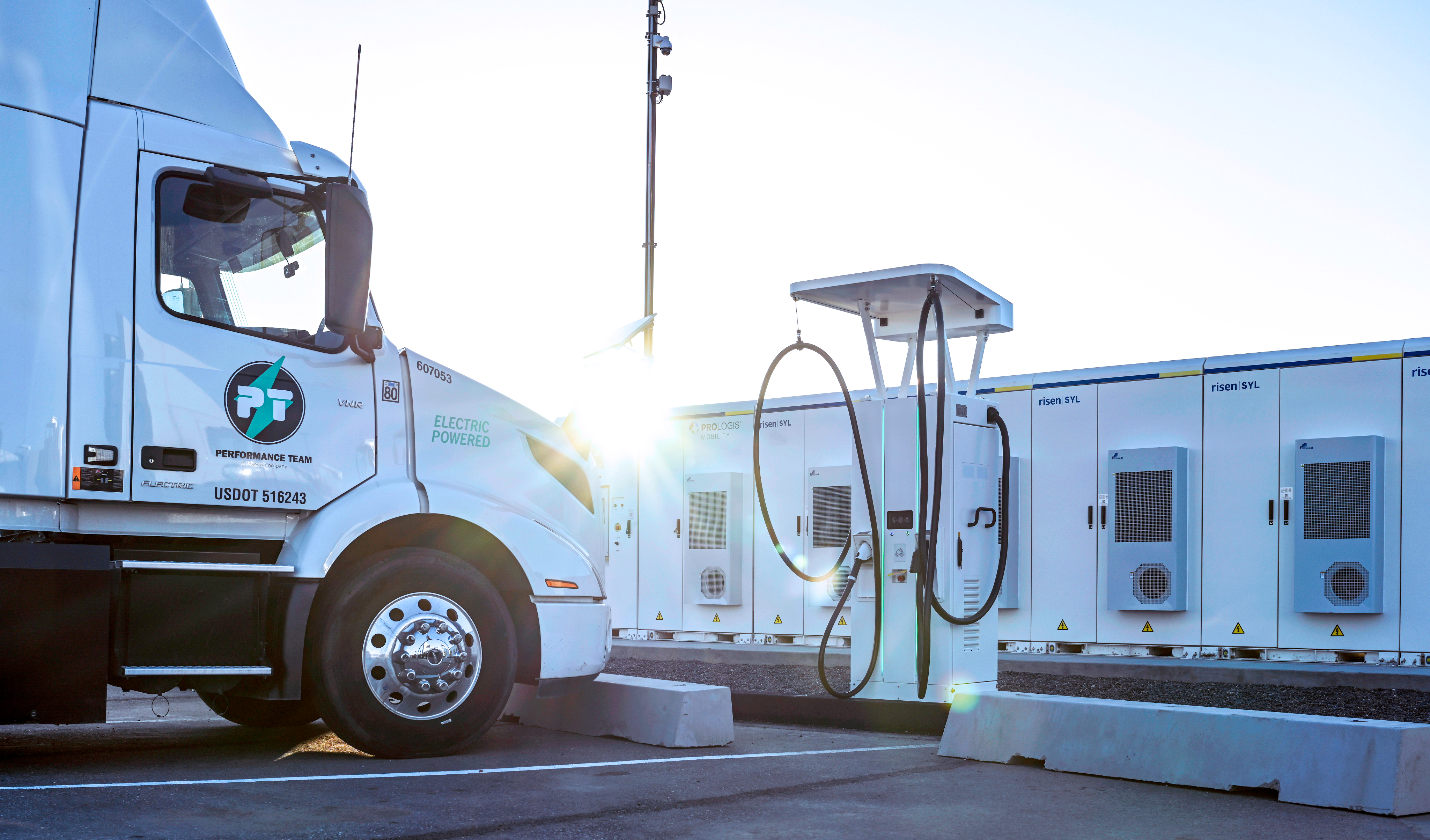
Renewable energy is a game-changer. Logistics facilities can be transformed into self-sufficient power sources with onsite renewable energy sources, namely solar installations coupled with energy storage. This strategy decreases carbon emissions and enhances operational resilience with the added benefit of cost-saving opportunities. Some organizations, especially those that operate in geographically isolated or vulnerable areas, go a step further by building microgrids—distributed systems of solar, wind and storage—that form their own low-emissions power network.
Next Steps: Explore the feasibility of installing solar panels and integrating energy storage systems at your facility. A reputable partner can advise on the most cost-effective and efficient ways to integrate renewable energy and provide a range of options that accommodate your needs with minimal disruption. Once you have these solutions in place, you can harness the power of solar to reduce your carbon footprint, enhance resiliency and reduce energy costs.