Our Essential Approach to Decarbonization
While corporate sustainability pledges are ubiquitous these days, tackling the environmental impact of supply chains—part of what’s known as Scope 3 emissions—is a complex yet critical component for organizations to achieve net-zero emissions.
A study of 1,600 organizations from Boston Consulting Group, found that only 10% measure their carbon footprint across all three scopes, which also includes carbon dioxide produced directly by companies or indirectly through purchasing electricity. Despite the supply chain being responsible for 92% of all emissions, only 12% of those surveyed said Scope 3 is a decarbonization priority.
At GROUNDBREAKERS 2022, Prologis’ recent thought leadership forum, reducing upstream and downstream emissions took center stage. “The supply base is actually 11 times the carbon intensity of your own operations,” explained Annette Clayton, CEO of Schneider Electric North America. “So if you’re not decarbonizing your supply chain, you’re not really decarbonizing.”
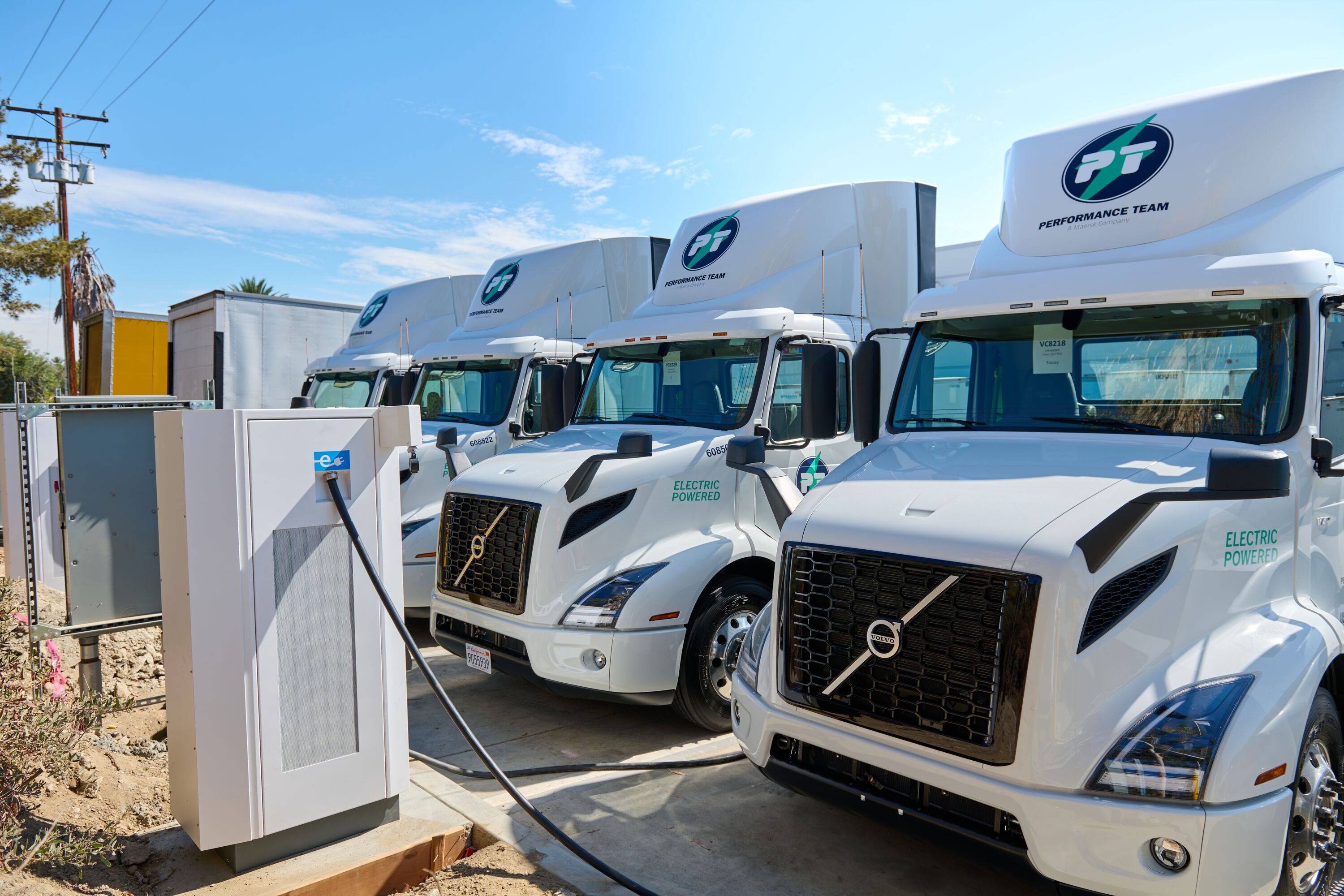
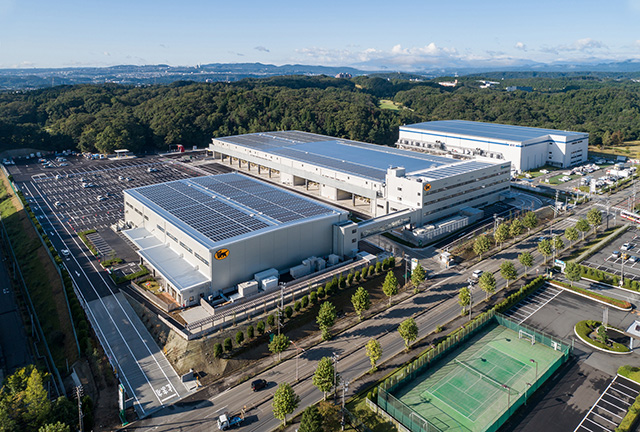
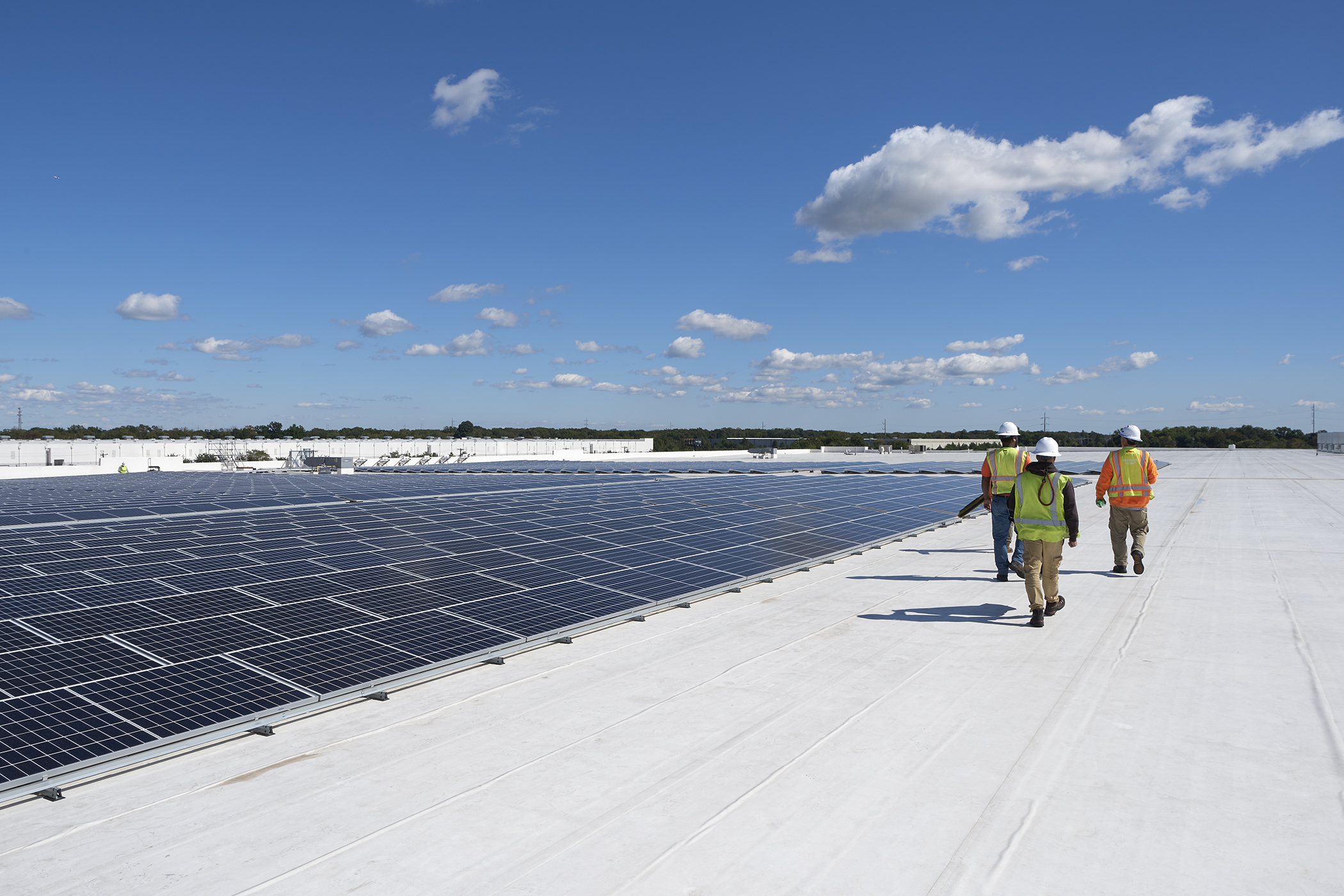
In addition to sustainability goals for its own operations, Schneider Electric is committed to halving the carbon emissions of its top 1,000 suppliers’ operations by 2025. This aggressive, end-to-end value chain strategy is exactly what’s needed to move the needle, says John Hoekstra, global head of sustainability solutions at Prologis. “We’re working to decarbonize warehouses and electrify fleets with our customers, while also convening stakeholders across the value chain on tough-to-abate areas, like embodied carbon in buildings,” Hoekstra says. “It takes a village and committed partnerships.”