Sixty-one percent of respondents highlighted not being ready for major tariff increases (>25%+).
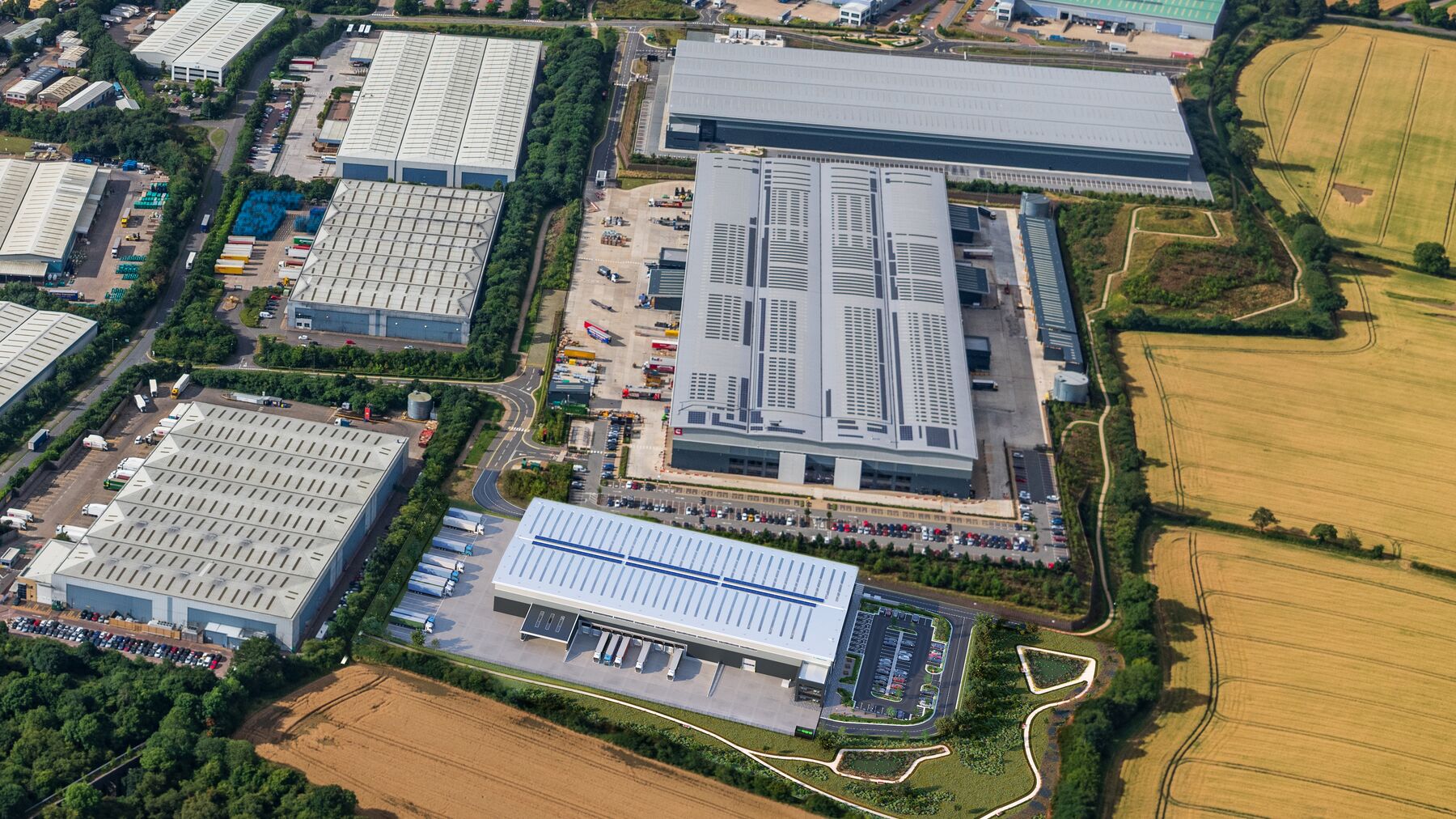
Prologis Supply Chain Intelligence Report 2026 (In collaboration with The Harris Poll).
Geopolitics, tariffs and evolving economies are driving the most significant supply chain restructuring in a generation. These pressures are likely to persist and reshape global production in the decade ahead. Following a multi-year period focused on risk management in the aftermath of the pandemic, customers are increasingly shifting toward a state of risk readiness—anticipating future disruptions and positioning their operations for resiliency and optimization.
The Prologis Supply Chain Intelligence Report 2026 provides insights from more 1,800 business leaders surveyed across the U.S., UK, Germany, India, China and Mexico, all from companies with more than 250 employees. The report captures a global view of the challenges and opportunities shaping supply chain management.
We learned that key decisions are being made in supply chains that will have implications on logistics real estate. We highlight the following themes:
We highlighted how users have been navigating near-term uncertainty. Looking forward, economic volatility is the top concern for 2026 (51%), followed by tariffs (48%) and geopolitical instability (38%). Customers are continuing to evolve supply chains to navigate a new era of preparedness. While the pandemic taught valuable lessons in risk management, tariffs have underscored the need for diverse sourcing. This will ultimately mean logistics real estate footprints will continue to expand globally, particularly in gateway and consumption hubs as industrial users work to expand their networks near end consumers.
Sixty-one percent of respondents highlighted not being ready for major tariff increases (>25%+).
Building in resilience is much better than just insurance because insurance is only against named stuff. And by the way, it works if the business goes up suddenly and you can respond because you're more agile, you're more flexible. It takes time. It takes culture change.
Yossi Sheffi, Professor of Engineering Systems, MIT
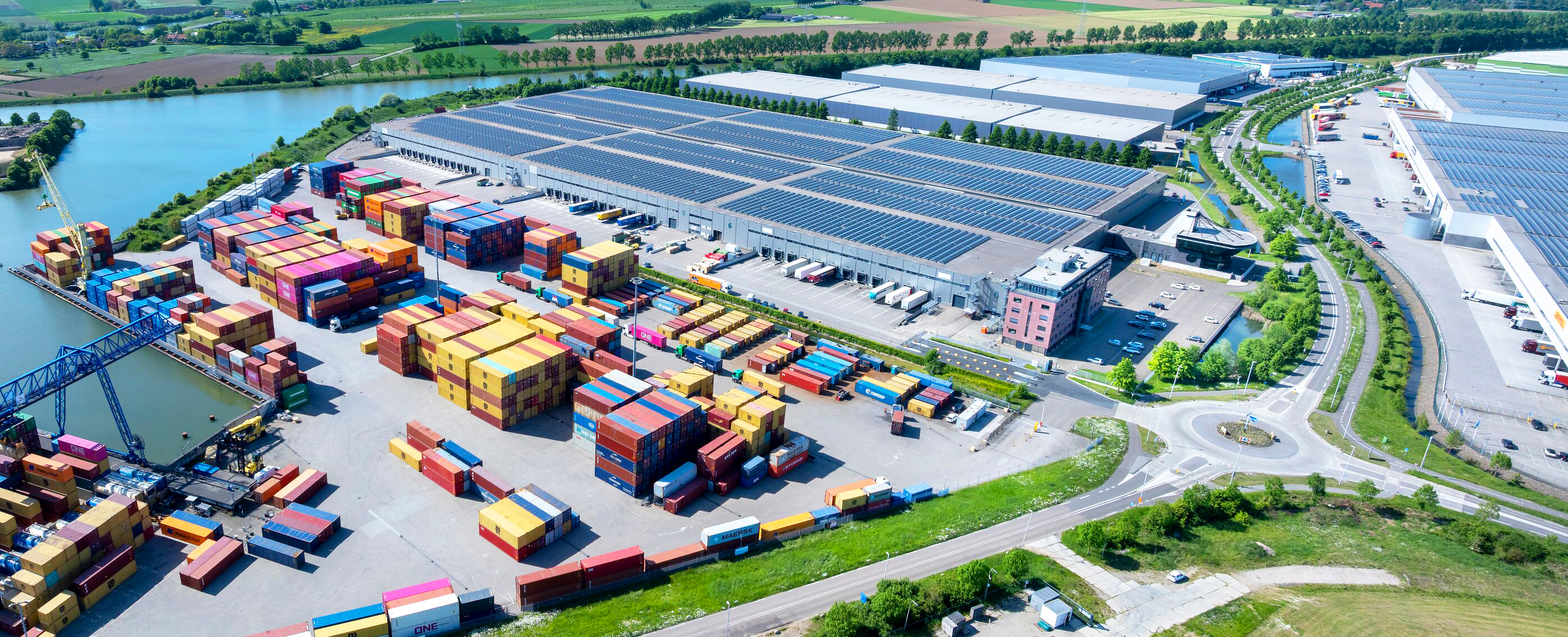
After trade policy changes in 2025, companies see an increasing need for regional supply networks and are investing in geographies that offer a combination of economic viability, scale and stability. Nearly 60% of executives expect supply chains to become more regional by 2030, while 30% anticipate increased globalization. More regional supply chains will require duplicative logistics footprints across key global markets. In the survey, the Harris Poll defines diversifying as maintaining global operations but with added redundancy, and regionalizing as creating self-sufficient regional networks.
The China Plus One (or Many) strategy had begun to emerge as the dominant supply chain model since Covid. The primary beneficiary of this diversification has been Southeast Asia, with Asian nations other than China increasing their share of U.S. imports from 24% in 2019 to 30% in the 12 months spanning September 2024 to August 2025. While the initial post-pandemic response heavily favored this strategy, trade changes have demonstrated a need for a more expansive sourcing approach across the Americas and Europe. We’ve seen companies adjust their sourcing approach to help strengthen resilience across a wider set of markets.
Mexico, where companies looked to expand manufacturing post-Covid, continues to see the benefits of nearshoring as competitive labor rates, established supplier networks and proximity to U.S. consumers are key attractions of the market. Two-thirds (66%) of poll respondents intend to expand further in Mexico. We expect the further build-out of the North–South trade corridor across the Americas to result in more warehousing requirements in Texas and the Midwest. At the same time, long-standing trade ties with Asia are expected to remain in place due to cost advantages, particularly in low-value-added manufacturing. U.S. onshoring of selective, high-value sectors is also gaining traction.
A nearly equal amount of poll respondents (62%) intend to expand further into the U.S. to support regionalization efforts. Manufacturing share of new leasing has doubled over the last decade with growth concentrated in Texas, Chicago and the Southeast.
Forty-eight percent of respondents believe tariff increases would trigger an adjustment of supply chain strategy and infrastructure to different markets, and another 41% believe it’s probable.
Industrial users are prioritizing modern facilities in key logistics locations to serve end consumers. Expanding high-quality logistics options in major regions ranks as the second-highest priority for the supply chain executives surveyed.
In the U.S., customers are gravitating toward modern Class A logistics space in consumer-oriented markets. Recent years have delivered large, new facilities that can support high throughput and operational efficiency. Logistics users planning for the next decade of growth are consolidating their supply chains. Strategic planning with tailored requirements is also evident in rising build-to-suits and user-owner sales. Built-to-suit development should grow as a preferred option for industrial users with highly specific facility requirements, particularly among large-scale e-commerce and manufacturing operations. Additionally, demand for speed, efficiency and access to infrastructure should lead modern, well-located logistics facilities near end consumers to outperform.
AI adoption has focused on customer experience and operations management rather than real estate space reduction. The top use cases for AI are quality control (54%), risk monitoring (51%) and route optimization (48%), with most executives realizing or expecting ROI within 12 months. These tools sharpen decision-making, uncover behavior patterns and automate high-frequency tasks, often producing double-digit efficiency gains that support customized retail strategies and boost sales growth.
The growth of data centers alongside AI has translated to new real estate requirements. Data center development doubled 2023 levels in 2024, and 2025 is projected to be a record year globally. Maintenance equipment, server racks and other components supporting data centers must be stored locally. At the same time, large-scale developments compete for land, lifting the value of modern, well-located industrial product that enjoys a new, secular competitive moat.
The push for more real-time responses will further tighten supply conditions in such markets. According to U.S. Secretary of the Interior Doug Burgum: “When this evolves in AI…your latency is going to matter, and you're going to want to be closer to your customers.”
Access to reliable infrastructure, in particular power capacity, has emerged as a top factor for location selection. In 2025, 9 in 10 organizations experienced energy-related disruption. Price volatility, extreme weather and full outages were the most common causes.
Seventy percent of respondents worry more about power outages than any other disruption. Seventy-six percent expect their facility power needs to rise by 10%–50% within five years.
Access to reliable infrastructure, in particular power capacity, has emerged as a top factor for location selection. In 2025, 9 in 10 organizations experienced energy-related disruption. Price volatility, extreme weather and full outages were the most common causes.
Seventy percent of respondents worry more about power outages than any other disruption. Seventy-six percent expect their facility power needs to rise by 10%–50% within five years.
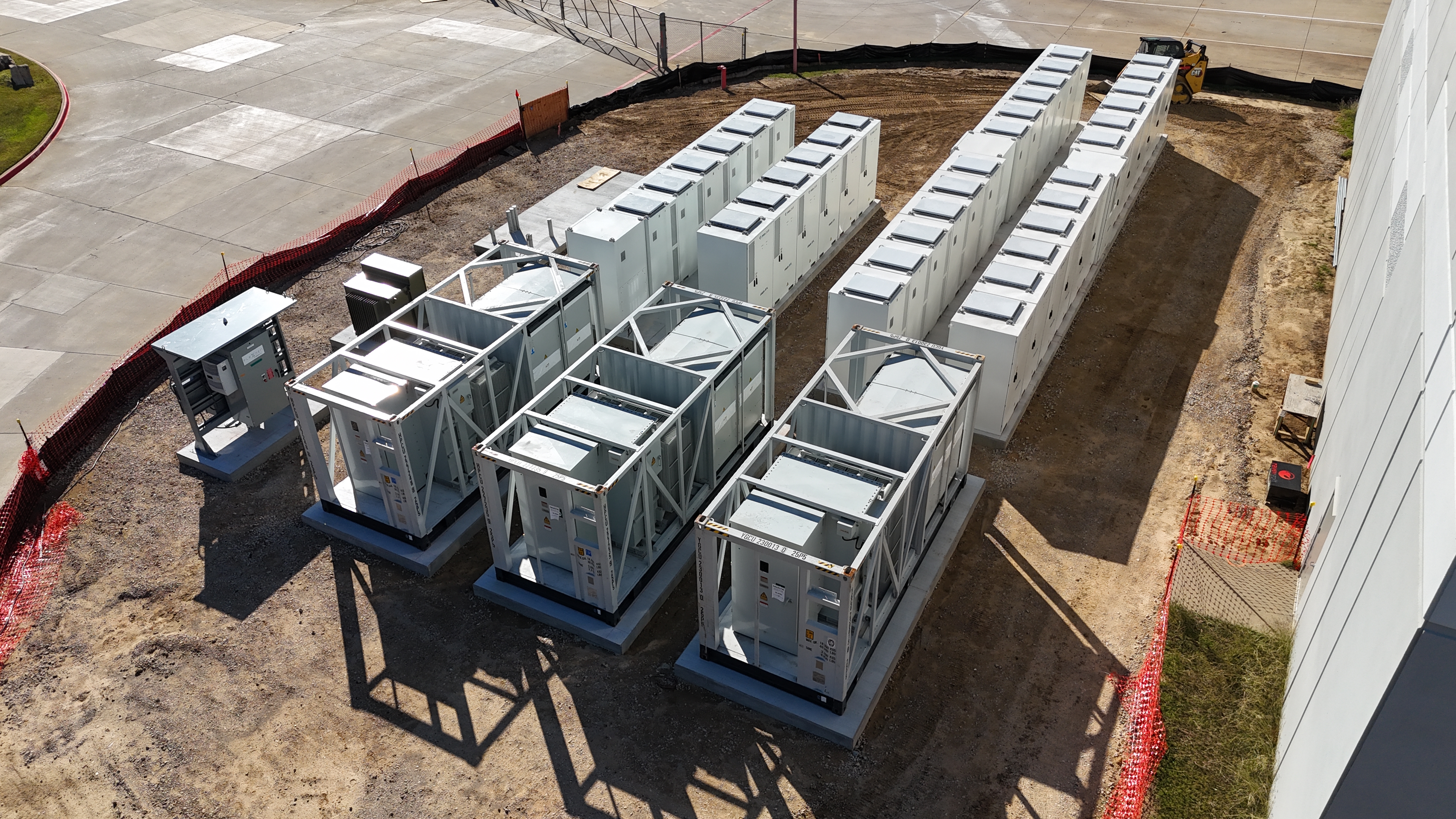
Access to reliable power has already become a major constraining factor on new developments in Europe, Mexico and the U.S., with access timelines stretching multiple years. The average transformer capacity has doubled in buildings built after 2015, boosted by increasing requirements for higher technology use, electric vehicle charging and general improvements in warehouse spaces like air conditioning.
In markets with a growing share of high power requirements (e.g., data centers, manufacturing, EV charging), the lack of grid capacity will increasingly differentiate performance between assets by power access. Markets with available power capabilities will be able to serve industries with longer lead times like data centers and regional supply chain buildouts. Meanwhile, the value of power-ready facilities in major gateways and infill markets will continue to trend upward.
We want to have the energy to power the next generation of innovation.
Hamid R. Moghadam, Co-Founder and Executive Chairman
The next phase of global supply chain evolution will place new demands on logistics real estate. Companies are preparing for a variety of risks, while prioritizing speed to market and customer intelligence. As a result, demand will shift toward high-functioning assets in locations with strong infrastructure access and proximity to existing and growing supply chain networks. Growing constraints around land and utilities will heighten competition, reinforcing the value of infill assets. These dynamics will redefine how industrial real estate supports commerce: not simply as a place to store goods, but as a strategic platform for enabling speed, flexibility and automation.
This material should not be construed as an offer to sell or the solicitation of an offer to buy any security. We are not soliciting any action based on this material. It is for the general information of customers of Prologis.
This report is based, in part, on public information that we consider reliable, but we do not represent that it is accurate or complete, and it should not be relied on as such. No representation is given with respect to the accuracy or completeness of the information herein. Opinions expressed are our current opinions as of the date appearing on this report only. Prologis disclaims any and all liability relating to this report, including, without limitation, any express or implied representations or warranties for statements or errors contained in, or omissions from, this report.
Any estimates, projections or predictions given in this report are intended to be forward-looking statements. Although we believe that the expectations in such forward-looking statements are reasonable, we can give no assurance that any forward-looking statements will prove to be correct. Such estimates are subject to actual known and unknown risks, uncertainties and other factors that could cause actual results to differ materially from those projected. These forward-looking statements speak only as of the date of this report. We expressly disclaim any obligation or undertaking to update or revise any forward-looking statement contained herein to reflect any change in our expectations or any change in circumstances upon which such statement is based.
No part of this material may be (i) copied, photocopied or duplicated in any form by any means or (ii) redistributed without the prior written consent of Prologis.
Prologis’ Research department studies fundamental and investment trends and Prologis’ customers’ needs to assist in identifying opportunities and avoiding risk across four continents. The team contributes to investment decisions and long-term strategic initiatives, in addition to publishing white papers and other research reports. Prologis publishes research on the market dynamics impacting Prologis’ customers’ businesses, including global supply chain issues and developments in the logistics and real estate industries. Prologis’ dedicated research team works collaboratively with all company departments to help guide Prologis’ market entry, expansion, acquisition and development strategies.
Prologis, Inc., is the global leader in logistics real estate with a focus on high-barrier, high-growth markets. At September 30, 2025, the company owned or had investments in, on a wholly owned basis or through co-investment ventures, properties and development projects expected to total approximately 1.3 billion square feet (120 million square meters) in 20 countries. Prologis leases modern logistics facilities to a diverse base of approximately 6,500 customers principally across two major categories: business-to-business and retail/online fulfillment.