
A New Supply Paradigm
Prologis Research details the trends affecting commercial real estate development in the U.S.
Development activity is rising, but more slowly than during past cycles. Building on an improved macroeconomic climate, the recovery of occupancies and rents has invited development across all sectors, not just industrial. Yet, this cyclical upturn obscures important structural shifts. These shifts revolve around the mindset of greater discipline. Prologis Research notes several important drivers for these shifts, including the following:
- Consolidation and institutionalization: Emerging development trends, which are moving toward larger-scale institutions as key players
- A greater degree of risk aversion: Changing attitudes toward risk by institutions—both on the equity side and the debt side—which translates into a measured appetite for risk
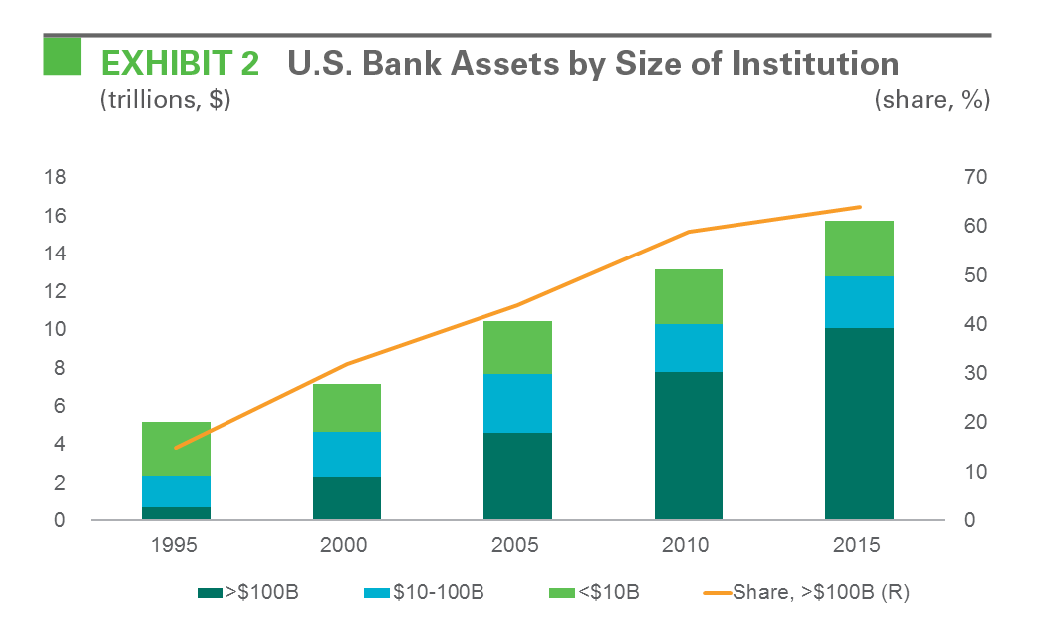
- New lending constraints: Changes in the banking industry, including expanded regulations and a preference for relationship lending and institutional borrowers
- Tighter talent pool: A shortage of real estate professionals with neither relevant nor extensive development experience or the willingness or ability to invest significant equity
- Better information: Greater transparency and accessible information about markets and development projects, which makes it possible to approach opportunities and risks proactively and in real time
This evolution has brought more discipline to the industry. Eventually, supply and demand will return to equilibrium, even as some markets experience periods of excess supply. Overall, the industry is more responsive to risk, and watchful for signs of excess. We believe these factors represent a new normal, and that collectively these themes will shape the current and future real estate development cycles.
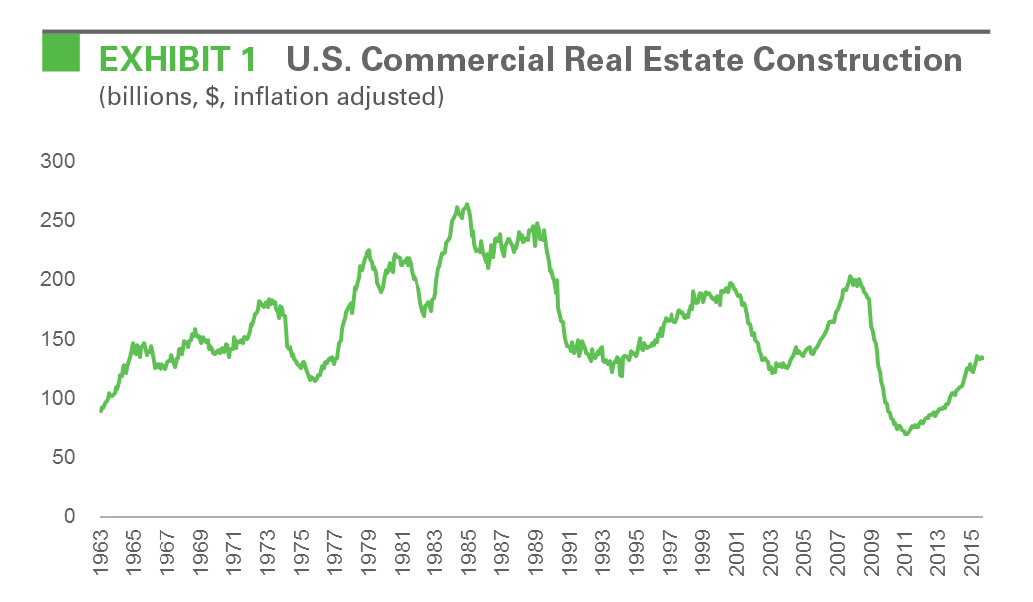
Examining the ongoing stability of the U.S. expansion. Nearly three years ago, Prologis Research identified an expansion was taking hold in the U.S. logistics real estate markets. Shortly thereafter, Prologis Research noted the potential for a sizeable rent expansion, which has largely played out. In a recent study, Prologis Research also noted that obsolescence drives demand for new development. Yet, one of the unique fixtures of the current cycle has been the moderate pace of recovery of supply. Looking back, development starts fell to their lowest point in 50 years, triggered by the Global Financial Crisis and the ensuing recession. Even as fundamentals have firmed, rising replacement costs offset recovering market rents and historically low cap rates. Digging into the details, crosscurrents have masked important structural changes, which are critical to understand development’s slow recovery and are the focus of our paper.